Key Takeaways
- Inspect structural, electrical, and HVAC damage first, and document everything with dated photos for insurance claims.
- Remove standing water and debris quickly to reduce contamination and make cleanup safer.
- Dry walls, floors, and ceilings fast using dehumidifiers, air movers, and moisture monitoring.
- Clean soot and smoke residue with HEPA vacuuming, soft brushing, and pH-neutral cleaners.
- Prevent mold by keeping humidity below 60% and discarding porous items that stay wet over 24 to 48 hours.
Assess Fire and Flood Damage First
Before you start cleanup, assess the full extent of both fire and flood damage so you can prioritize safety and prevent further losses.
You should inspect structural stability, electrical systems, HVAC components, and visible soot or water intrusion before entering affected rooms. Document every impacted area with dated photos and notes; this damage assessment supports accurate estimates and insurance claims.
If you detect gas odors, warped framing, or compromised ceilings, keep out and contact qualified professionals.
You can also identify salvageable materials early, which helps your team coordinate next steps and reduce unnecessary handling.
Remove Standing Water and Debris
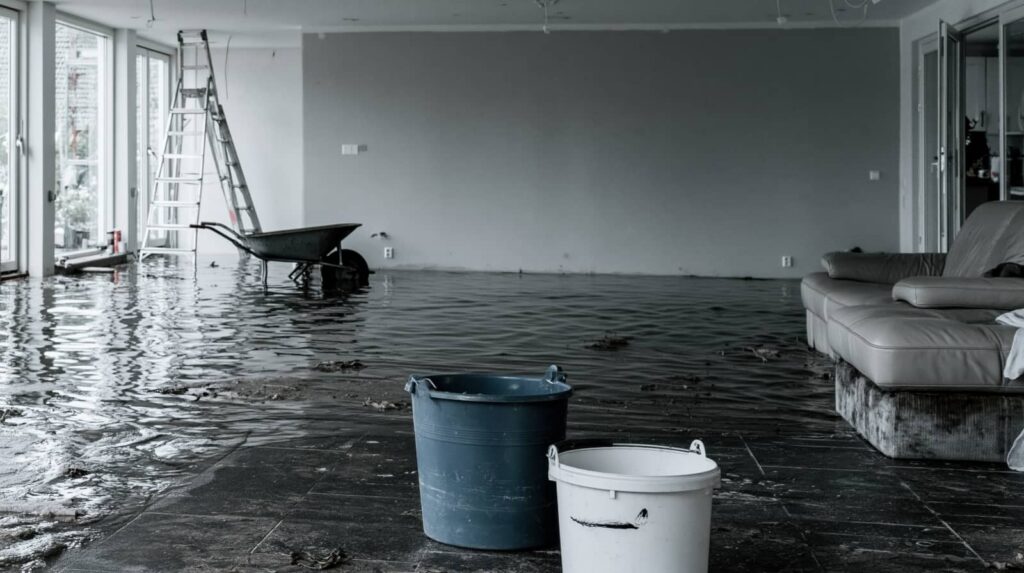
Start by pumping or mopping out standing water as soon as it’s safe to do so, then remove soaked debris, loose soot, and damaged materials that can trap moisture and spread contamination. You’ll protect your crew and keep the space easier to restore.
Use water extraction equipment for pooled areas, and sort debris removal into manageable loads. Wear gloves, boots, and respiratory protection while you work.
- Isolate wet contents for disposal.
- Bag soot-covered debris to prevent recontamination.
- Clear pathways so your team can move efficiently.
Work methodically, checking for hidden pockets of water under furniture and inside cavities. Keep waste contained, label salvageable items, and follow local disposal rules.
When you act quickly and stay organized, you help your team recover together with confidence.
Dry Walls, Floors, and Ceilings
Move quickly to dry walls, floors, and ceilings once standing water is removed, because trapped moisture can lead to swelling, staining, mold growth, and hidden structural damage.
Use controlled drying techniques: open windows when weather helps, run dehumidifiers, and position air movers to create steady airflow across surfaces.
Check wall materials carefully, since drywall, plaster, and wood each release moisture at different rates and may need targeted drying.
Lift wet carpeting and padding, then dry the subfloor to prevent lingering dampness.
Inspect ceiling cavities, baseboards, and trim for retained moisture, and monitor progress with a moisture meter.
Keep your team aligned by documenting readings and adjusting equipment until materials return to safe levels.
Clean Soot and Smoke Residue
Once surfaces are dry, remove soot and smoke residue promptly, because acidic particles can etch finishes and leave persistent odors. You’ll work more effectively when you use the right method for each surface.
Begin with dry soot removal using a HEPA vacuum and soft brush, then wipe with a lightly damp microfiber cloth and a pH-neutral cleaner. Test a small area first to protect coatings.
- Vacuum loose residue without pressing it in.
- Wipe from the outside inward to limit spreading.
- Repeat until the cloth lifts no visible soot.
For textured materials, use gentle agitation and change cloths often.
Finish by treating lingering smoke odor with an odor-neutralizing product rated for the affected surface. You’re not alone—careful cleanup brings your space back to a clean, professional standard.
Prevent Mold Growth After Damage
After soot and smoke residue are removed, control moisture immediately to prevent mold from taking hold in damp materials. You should extract standing water, open hidden cavities, and dry framing, drywall, and insulation with air movers and dehumidifiers.
Check humidity control daily; keep indoor levels below 60% to slow spores. Remove porous items that stay wet for more than 24 to 48 hours, because they can harbor contamination. Clean salvageable surfaces with approved antimicrobial solutions, then verify that all areas are dry before reconstruction.
During mold prevention, inspect closets, attics, and wall voids for condensation, staining, or odor. Work with your restoration team closely so you can protect your home, support each other, and restore a safe, healthy space quickly.
Frequently Asked Questions
Should I Document Damage Before Starting Cleanup?
Yes, you should document damage before starting cleanup. You’ll support a thorough damage assessment, protect claims, and guide the cleanup process. Take dated photos, videos, and notes, then preserve affected items before moving them.
Can I Salvage Electronics After Smoke and Water Exposure?
Yes, you can sometimes salvage electronics after smoke and water exposure, but act fast like a surgeon. You’ll need damage assessment, then electronic restoration, because corrosion spreads quickly and hidden moisture can ruin components.
When Should I Call My Insurance Company?
You should call your insurance company as soon as you’re safe and have documented fire damage. Prompt reporting starts the claim process, protects coverage, and helps you join the recovery steps with your adjuster’s guidance.
Is It Safe to Stay in the Home During Cleanup?
No, you shouldn’t stay if cleanup creates smoke, mold, or dust. You’ll face health risks from poor air quality. Ask professionals to test conditions, isolate damaged areas, and verify safe occupancy before you return.
What Protective Gear Should I Wear During Cleanup?
Wear an armor of protective clothing: N95 or respirator, gloves, goggles, boots, and long sleeves. You’ll reduce exposure to soot, mold, and debris, supporting cleanup safety while staying protected with your crew.
Final Thoughts
In the aftermath of fire or flooding, you should act fast to limit secondary damage. FEMA reports that mold can begin growing within 24 to 48 hours, which makes quick drying and moisture control essential. By evaluating damage first, removing standing water, drying affected surfaces, cleaning soot residue, and monitoring for hidden dampness, you can protect both your property and your health. Careful, immediate cleanup gives you the best chance of successful restoration.