
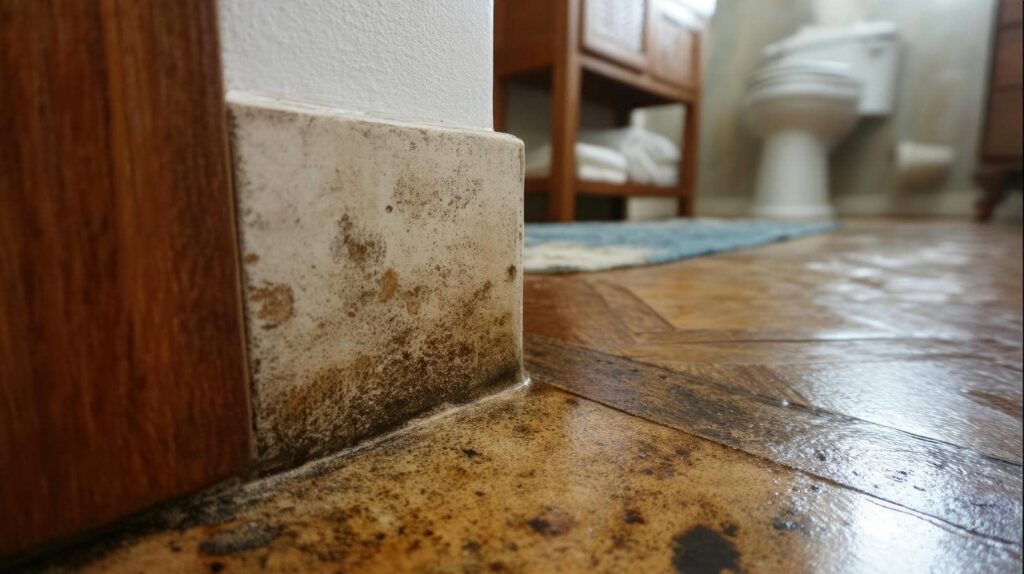
Water damage can lead to serious mold issues if not addressed quickly and effectively. You need to act fast to minimize the risk. Start by understanding the extent of the damage and the steps required to combat mold growth. From drying out affected areas to choosing the right cleaning products, each action plays a vital role in prevention. What steps should you take first to guarantee a mold-free environment? Let’s explore the best strategies together.
Key Takeaways
Promptly Address Water Issues: Repair leaks and drainage problems immediately to prevent moisture accumulation and reduce mold growth risks.
Thoroughly Dry Affected Areas: Use dehumidifiers and ventilation techniques to ensure all areas, including hidden spots, are completely dry.
Clean and Disinfect Surfaces: Regularly sanitize affected surfaces with appropriate solutions to eliminate mold spores and prevent future growth.
Utilize Mold-Resistant Products: Invest in mold-resistant paints and materials, especially in areas prone to moisture, to inhibit mold development.
Conduct Regular Inspections: Schedule routine checks for moisture and mold, educating household members on prevention strategies to maintain a healthy environment.
Understanding Water Damage: Key Challenges and Solutions
When water damage occurs, understanding its key challenges can help you take swift action to prevent further issues, like mold growth. You’ll encounter various water damage types, including clean, gray, and black water, each posing different risks. Knowing these can guide your response.
For instance, gray water often fosters mold growth conditions due to contaminants. Act quickly to dry out affected areas, using fans and dehumidifiers. Maintain good ventilation and remove any wet materials, like carpets or drywall, that can harbor mold.
Regularly check for leaks and maintain your plumbing to avoid future incidents. By taking these proactive steps, you create a safer, healthier environment for yourself and your loved ones, fostering a sense of belonging in your space.
Assess the Extent of Water Damage
After addressing the immediate challenges of water damage, it’s important to assess the extent of the situation. Start by using damage assessment tools, like moisture meters and infrared cameras, to pinpoint hidden moisture. This helps you identify problem areas before mold has a chance to take hold.
Employ mold inspection techniques, such as visual checks and air quality tests, to evaluate potential growth. Don’t forget to check behind walls, under carpets, and in attics, as these spaces can harbor unseen moisture.
Document your findings, as this information can guide your next steps in the restoration process. By being thorough in your assessment, you’ll better protect your home and create a safer environment for you and your loved ones.
Address Water Damage Plumbing Issues Immediately
To prevent mold from taking root after water damage, addressing plumbing issues as soon as possible is vital.
Start with a thorough plumbing inspection to identify leaks, cracks, or any compromised pipes. Ignoring these problems can lead to more extensive damage and create a perfect environment for mold.
If you find any issues, don’t hesitate to call for emergency repairs. Timely intervention not only saves your home but also protects your family’s health.
Keep in mind that even small leaks can escalate quickly, so stay vigilant.
Dry Out Affected Areas Quickly
Addressing plumbing issues is just the first step; next, you need to dry out affected areas quickly. Mold thrives in damp environments, so acting fast is essential.
Utilize effective ventilation methods to circulate air and speed up the drying process. Open windows and use fans to promote airflow. If you’re dealing with porous materials, consider installing moisture barriers to prevent future issues.
- Remove standing water immediately with a wet/dry vacuum.
- Use dehumidifiers to reduce humidity levels in the room.
- Inspect hidden areas like behind walls and under floors for trapped moisture.
What to Do After Drying Out Affected Areas?
Once you’ve thoroughly dried out the affected areas, it’s important to assess the space for any signs of mold growth and take preventive measures.
Start by inspecting walls, floors, and ceilings for discoloration or musty odors, which could indicate mold spores lurking nearby. Consider using a moisture meter to check for hidden dampness.
If you spot any mold, clean it immediately using a mixture of water and detergent or a commercial mold remover.
Confirm proper ventilation by opening windows or using fans to keep air circulating.
Additionally, regularly check your home for leaks and maintain low humidity levels to prevent mold from returning.
These proactive steps help create a safe, welcoming environment for you and your loved ones.
How Dehumidifiers Help in Reducing Indoor Humidity Levels
Using a dehumidifier is a smart way to control humidity levels in your home after water damage.
These devices efficiently remove excess moisture from the air, helping to prevent mold growth.
Plus, they improve air circulation, making your space feel more comfortable and reducing the risk of lingering dampness.
Optimal Humidity Control
Maintaining ideal humidity levels is vital, especially after water damage, as excessive moisture can lead to mold growth and other issues.
Dehumidifiers play an important role in this process, helping you control humidity effectively. By reducing indoor humidity, you create a less favorable environment for mold.
- Confirm your dehumidifier has humidity sensors to monitor levels accurately.
- Integrate ventilation systems to promote airflow and further reduce moisture.
- Regularly check and empty the dehumidifier’s water reservoir to maintain efficiency.
Efficient Moisture Removal
After ensuring ideal humidity control, the next step in preventing mold is efficient moisture removal. Dehumidifiers play an essential role in this process by extracting excess water from the air, considerably lowering indoor humidity levels.
When you use a dehumidifier, it’s vital to position it in areas prone to moisture, like basements or bathrooms. Additionally, installing moisture barriers can prevent water vapor from seeping in, enhancing your dehumidifier’s effectiveness.
Don’t forget to complement this with proper ventilation systems, as they help circulate air and reduce stagnant moisture. By combining these strategies, you’ll create a healthier environment, minimizing the risk of mold growth and fostering a welcoming home for you and your loved ones.
Air Circulation Improvement
While it might seem like a minor detail, improving air circulation is vital in reducing indoor humidity levels and preventing mold growth.
Dehumidifiers play an important role in this process, helping to maintain a balanced environment. By effectively removing moisture from the air, they lower humidity and work hand-in-hand with ventilation systems and air purifiers.
Here are a few practical tips to enhance air circulation:
- Position dehumidifiers in areas prone to dampness.
- Use ceiling fans to promote airflow throughout your space.
- Make sure that your ventilation systems are unobstructed and functional.
Clean and Disinfect Surfaces Thoroughly
To effectively combat mold growth after water damage, you need to clean and disinfect all affected surfaces thoroughly.
Start by identifying all surface materials—wood, drywall, tile, or fabric—and choose appropriate sanitizing techniques for each. For non-porous surfaces, use a solution of water and bleach or a commercial disinfectant. Make sure to follow the manufacturer’s instructions for dilution and contact time.
For porous materials like carpets or upholstery, consider steam cleaning or specialized cleaners to penetrate the fibers. Don’t forget to scrub areas with visible mold until they’re clean, and dry surfaces completely afterward.
This step is essential in preventing mold from taking hold again, helping you create a safe, welcoming environment for you and your loved ones.
Seal Cracks and Gaps
Even if you’ve cleaned and disinfected surfaces, mold can still find its way into your home through cracks and gaps.
To keep your space mold-free, focus on crack sealing and gap filling. These steps will help prevent moisture accumulation, making it harder for mold to take hold.
- Inspect windows and doors for gaps.
- Use quality sealants for cracks in walls and foundations.
- Regularly check areas like plumbing fixtures and electrical outlets.
Invest in Mold-Resistant Products
After sealing cracks and gaps, consider enhancing your mold prevention strategy by investing in mold-resistant products. These products are designed to create an inhospitable environment for mold growth.
Start with mold-resistant paints, which contain specialized additives that inhibit mold and mildew. They’re perfect for high-moisture areas like bathrooms and kitchens.
Additionally, look for antimicrobial materials when choosing textiles or building supplies. These materials resist mold and bacteria, ensuring your home stays healthier.
Whether you’re updating your insulation or selecting new carpets, prioritize products labeled as antimicrobial.
When to Call in the Pros?
Knowing when to call in the pros is essential for effectively tackling mold problems after water damage. If you notice persistent moisture or visible mold growth, it’s time to seek help. Mold inspection services can assess the extent of the problem and identify hidden issues you may overlook.
Consider reaching out to professionals if:
- You find extensive mold (over ten square feet).
- You experience health issues, like allergies or respiratory problems.
- The source of moisture isn’t clear or accessible.
Don’t underestimate the importance of professional remediation. They’ve the tools and expertise to safely remove mold and prevent future outbreaks, ensuring your home remains a safe and healthy space for you and your loved ones.
Frequently Asked Questions
How Long Does It Take for Mold to Develop After Water Damage?
Mold can start developing within 24 to 48 hours after water damage. Factors affecting mold growth timeline include humidity, temperature, and the type of materials involved. Addressing moisture quickly helps prevent mold from taking hold.
Can I Prevent Mold Without Professional Help?
You can prevent mold without professional help, like keeping weeds out of a garden. Use DIY mold solutions and maintain home humidity control to create a healthy space, ensuring you and your loved ones feel safe.
What Are the Signs of Hidden Mold Growth?
You’ll notice hidden mold growth by spotting musty odors, water stains, or peeling paint. If you see dark spots in damp areas, it’s time for mold detection to guarantee your home stays safe and healthy.
Is It Safe to Stay in My Home During Mold Remediation?
Staying in your home during mold remediation isn’t safe. Mold safety risks increase with exposure, potentially causing health issues. It’s best to vacate until professionals complete the cleanup, ensuring a healthy environment for everyone.
How Can I Protect My Belongings From Mold After Water Damage?
To protect your belongings from mold after water damage, use mold-resistant materials for storage and maintain humidity control. Regularly check items in damp areas, ensuring they’re dry and well-ventilated to prevent mold growth.
Wrap-Up
By following these mold prevention tips, you can effectively safeguard your home after water damage. Remember, quick action is essential can you afford to let moisture linger? Regularly inspect your spaces and educate everyone in your household on these practices to create a proactive environment. With diligence and the right strategies, you can keep mold at bay and guarantee a healthier living space for everyone. Don’t wait; start implementing these tips today!