
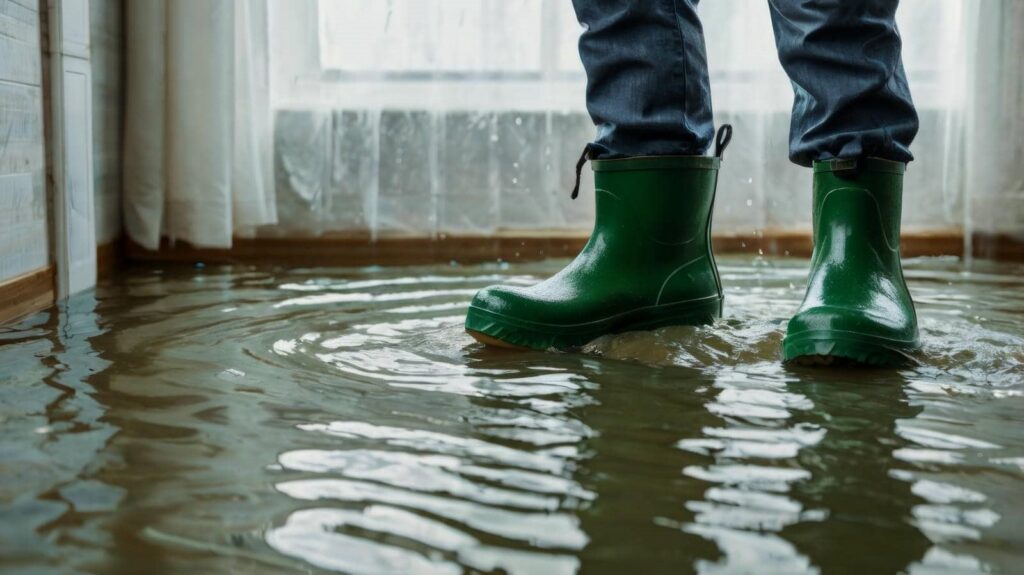
You might find it coincidental that many homeowners overlook water damage until it’s too late. Understanding how to assess this issue is vital for maintaining your property’s integrity. From using moisture meters to inspecting common leak points, there are effective techniques to identify hidden problems. Knowing these methods can save you time and money, but it’s important to grasp the signs and tools involved to ensure a thorough assessment.
Key Takeaways
- Use moisture meters to accurately assess moisture levels in walls, floors, and ceilings for precise evaluation of water damage.
- Employ infrared cameras to detect hidden moisture by visualizing temperature differences in building materials.
- Inspect commonly overlooked areas, such as around windows and pipes, for signs of water intrusion or leaks.
- Document findings with photographs and notes to provide a comprehensive record for insurance claims and remediation efforts.
- Avoid rushing assessments; take time to ensure all potential water damage sources are thoroughly investigated.
Key Indicators of Water Damage in Your Home
Identifying water damage early can save you time and money in repairs. Look for key indicators in your home, starting with water stains on ceilings, walls, or floors. These discolorations often signal leaks or moisture buildup, which can compromise your home’s structural integrity.
Pay attention to warped or buckled surfaces, as they indicate prolonged exposure to water. Musty odors can also hint at hidden mold, a byproduct of persistent dampness.
Inspect areas around windows, pipes, and roofs, where water intrusion is common. Finally, check your basement or crawl spaces for pooling water or excessive humidity.
Must-Have Tools for Water Damage Assessment
When evaluating water damage, having the right tools is essential for accurate results.
Moisture meters help you pinpoint hidden moisture levels, while infrared cameras reveal temperature variations that indicate water intrusion.
Together, these tools enhance your ability to diagnose and address water issues effectively.
Moisture Meters Overview
Moisture meters are essential tools in the water damage assessment process, as they provide accurate readings of moisture levels in various materials.
Understanding moisture meter types—like pin and non-invasive meters—can help you choose the right tool for your needs. Pin meters measure moisture by penetrating the material, while non-invasive models use electromagnetic signals for surface readings.
Both types offer different advantages depending on the situation. Prioritizing meter accuracy is vital, as even minor discrepancies can lead to misinterpretations of moisture levels.
With a reliable moisture meter, you can effectively assess water damage, identify problem areas, and take appropriate action, ensuring your home stays safe and dry.
Investing in one of these tools is a smart step for any homeowner.
Infrared Cameras Benefits
Infrared cameras are invaluable tools for evaluating water damage, as they allow you to visualize temperature differences that indicate moisture presence behind walls, under floors, or in ceilings.
Utilizing infrared technology, these devices employ thermal imaging to detect hidden leaks and damp spots that traditional methods might miss. This capability saves time and prevents further structural damage by identifying issues early.
You can quickly assess a property’s condition, ensuring you address problems efficiently. By incorporating infrared cameras into your water damage assessment toolkit, you enhance your ability to make informed decisions, fostering a sense of confidence in your home maintenance efforts.
Embrace this technology to protect your investment and maintain a safe, comfortable living environment.
Inspecting for Hidden Water Issues
When evaluating for hidden water issues, you should focus on common sources like plumbing leaks and roof failures.
Look for signs of water damage, such as discoloration on walls or mold growth in hidden areas.
Identifying these problems early can prevent extensive damage and costly repairs.
Common Hidden Water Sources
While you may not immediately notice water damage, several common hidden sources can silently contribute to significant issues.
Leaky pipes often hide behind walls, causing gradual damage you might overlook. Roof leaks can lead to moisture accumulation in attics, while appliance malfunctions, like a faulty dishwasher, can create unexpected water buildup.
Basement flooding frequently results from plumbing issues or inadequate drainage systems, so it’s essential to inspect these areas regularly. Additionally, failing window seals can allow rainwater to seep indoors, increasing humidity levels.
Be proactive in checking these hidden sources to prevent costly repairs and maintain a safe, comfortable living environment. Identifying and addressing these issues early can save you from future headaches.
Signs of Water Damage
Recognizing the signs of water damage is essential for preventing further issues in your home. Start by inspecting areas where water stains appear, often indicating leaks or moisture buildup.
Check ceilings, walls, and baseboards for discoloration or bubbling paint. Additionally, look for any mold growth, which thrives in humid environments and can pose serious health risks.
If you notice a musty odor, it could signal hidden moisture problems. Don’t forget to examine your plumbing fixtures and appliances for drips or condensation.
Regularly inspecting these areas helps you catch water damage early, saving you time and money on repairs. Stay vigilant, and you’ll protect your home from the long-term effects of water damage.
Common Mistakes to Avoid in Water Damage Assessment
Although water damage assessment may seem straightforward, several common mistakes can lead to inaccurate evaluations and costly repercussions.
One major error is overlooking signs of poor ventilation, which can exacerbate moisture issues. Always check for dampness in areas like attics and basements.
Additionally, failing to identify plumbing leaks can result in ongoing damage. Don’t assume visible water is the only problem; hidden leaks can cause considerable deterioration.
It’s also essential not to underestimate the importance of thorough inspections. Rushing through the process may lead you to miss critical details.
Finally, avoid relying solely on visual cues; employing moisture meters can provide a more accurate assessment.
When Should You Call a Pro for Water Damage Help?
When should you call a professional for water damage help? If you notice significant water damage, such as extensive flooding, mold growth, or structural issues, it’s time to act.
A professional assessment is essential when the affected area exceeds a few square feet, or if water has seeped into walls or flooring.
Don’t attempt to handle complex repairs or mold removal on your own, as this can worsen the situation.
If you’re unsure about the extent of the damage or lack the necessary equipment, reaching out to a professional is wise.
They’ve the expertise to identify hidden issues and ensure proper restoration, protecting your home and health in the long run.
Don’t hesitate—your home deserves the best care.
Steps to Take After Identifying Water Damage
After identifying water damage, it’s vital to act promptly to minimize further issues. Start by initiating an emergency response; shut off the water source and turn off electricity in affected areas.
Next, document the damage thoroughly with photographs and notes. This damage documentation will be important for insurance claims and remediation efforts.
After you’ve assessed the situation, remove valuables and furniture from the affected area to prevent further loss.
If the damage is extensive, consider contacting a professional for remediation.
Finally, keep an open line of communication with your insurance provider to ensure you’re informed and supported throughout the recovery process.
Quick action can greatly reduce the impact of water damage on your home and peace of mind.
Frequently Asked Questions
How Can I Prevent Future Water Damage in My Home?
To prevent future water damage, install effective drainage solutions and moisture barriers. Regularly inspect your roof and gutters, and ensure proper grading around your home to redirect water away from foundations. Stay proactive!
What Insurance Covers Water Damage Assessments?
When water’s a silent thief, your insurance policies often cover assessment costs. Check your homeowner’s or renter’s insurance, as they usually include water damage assessments, ensuring you’re not left adrift in unforeseen expenses.
Are There DIY Methods for Detecting Water Leaks?
Yes, you can use DIY methods for detecting water leaks. Moisture meters help identify damp areas, while visual inspections of walls and ceilings can reveal hidden leaks. Staying proactive ensures your home remains safe and dry.
How Long Does Water Damage Restoration Typically Take?
Imagine a garden recovering after a storm; water damage restoration typically takes 3 to 7 days. Your water damage timeline depends on various restoration factors, like the extent of damage and drying conditions you face.
What Are the Health Risks Associated With Water Damage?
Water damage poses significant health risks, including mold growth that can lead to respiratory issues. It can cause structural damage and increase contamination risks, making swift action essential to protect your home and well-being.
Conclusion
Evaluating water damage in your home requires keen observation and the right tools. By staying proactive and addressing issues promptly, you can prevent larger problems down the line. Remember, it’s better to catch issues early than to let them fester. If you’re ever in doubt, don’t hesitate to call a professional. After all, a stitch in time saves nine, ensuring you protect your home and your investment from further damage.