
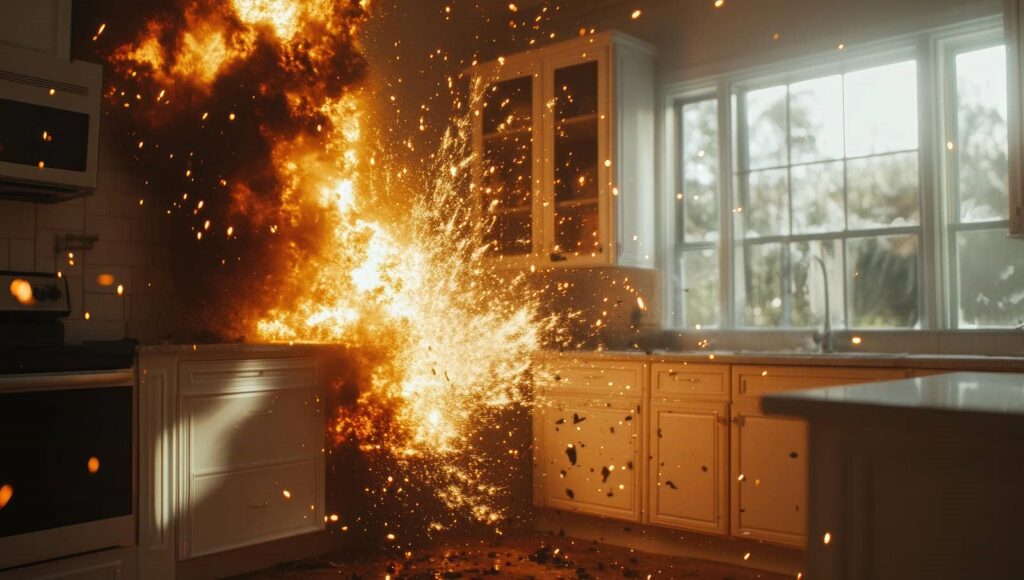
Is it possible that a systematic approach to fire damage cleanup can considerably reduce long-term risks? You may find that following structured steps ensures a thorough recovery and aids your emotional healing. Understanding how to assess damage, employ effective cleaning techniques, and implement preventive measures can transform an intimidating experience into a manageable process. Let’s explore these essential steps and discover how you can restore your space and peace of mind.
Key Takeaways
- Conduct a thorough hazard assessment and prioritize safety by wearing protective gear and keeping the area clear of family and pets.
- Document visible fire damage, inspect structural integrity, and identify areas needing focused cleaning.
- Use a HEPA filter vacuum for soot removal, then apply specialized cleaners to affected surfaces.
- Employ air scrubbers or ozone generators to eliminate smoke odors and improve air quality.
- Repair and restore damaged areas comprehensively to ensure a safe living environment post-cleanup.
Safety First: Ensuring a Secure Environment
When dealing with fire damage cleanup, ensuring a secure environment is essential, as hazards can linger long after the flames are extinguished.
Start by conducting a thorough hazard assessment, identifying potential risks like weakened structures, exposed wiring, or toxic smoke residues.
Prioritize fire safety by wearing appropriate protective gear, including masks and gloves, to shield yourself from harmful particles.
It’s vital to keep pets and family members away from the area until it’s deemed safe.
If you’re unsure about the safety of a space, consult professionals who specialize in fire damage restoration.
How to Assess Fire Damage Effectively?
To effectively assess fire damage, you need to approach the situation methodically, prioritizing both safety and thoroughness. Start by documenting visible damage and noting the presence of smoke odor, as this can indicate hidden issues. Use a structured approach for your damage assessment:
| Area of Focus | Actions to Take |
|---|---|
| Structural Damage | Inspect walls, ceilings, and floors for charring or cracks. |
| Contents Assessment | List and photograph affected items, noting restoration potential. |
| Odor Investigation | Identify areas with strong smoke odor for targeted cleaning. |
Cleaning Up Fire Damage: Effective Techniques
Effective cleanup after fire damage involves a systematic approach to restore safety and livability.
Start by addressing soot removal; it’s crucial to wear protective gear. Use a vacuum with a HEPA filter for loose soot, then apply a specialized cleaner to surfaces. For walls and ceilings, a mixture of water and mild detergent can help lift soot stains.
Next, tackle the persistent smoke odor. Open windows to ventilate, and consider using air scrubbers or ozone generators for deeper cleansing. Baking soda and activated charcoal can absorb lingering smells.
How to Restore Fire-Damaged Spaces?
After addressing the immediate concerns of soot and smoke odor, the next phase involves restoring fire-damaged spaces to confirm safety and livability. This process is vital for your peace of mind and comfort. Begin with thorough smoke removal to prevent lingering odors. Next, assess structural damage and verify that everything is safe and sound. Follow up with proper fire restoration techniques, including cleaning and repairing surfaces.
| Step | Action | Purpose |
|---|---|---|
| Smoke Removal | Use specialized equipment | Eliminate odors and residue |
| Structural Assessment | Inspect integrity | Verify safety |
| Surface Cleaning | Clean walls and floors | Restore appearance |
| Repair and Restore | Fix damaged areas | Regain livability |
Taking these steps helps you rebuild your home and your sense of security.
How to Prevent Future Fires: Essential Safety Tips
Fire safety is paramount, and implementing a few essential practices can greatly reduce your risk of future fires. Start by installing smoke detectors throughout your home; they can save lives. Regularly check and replace batteries to ensure they work.
Next, create thorough emergency plans with your family and conduct fire drills to make sure everyone knows what to do in case of an emergency. Store flammable materials safely, away from heat sources. Schedule routine electrical inspections to catch potential hazards early.
Finally, review your insurance coverage to confirm it meets your needs. Engaging in community education about fire safety fosters a supportive environment, where everyone can learn and contribute to a safer neighborhood.
Prioritize these steps to protect what matters most.
Frequently Asked Questions
What Should I Do Immediately After a Fire Occurs?
After a fire, ensure everyone’s safe and call emergency services. Conduct a damage assessment, noting hazards. Prioritize fire safety, and don’t re-enter until authorities declare the area secure. Seek support from loved ones during recovery.
Will Insurance Cover All Fire Damage Costs?
Think of insurance coverage as a safety net; it can catch many fire damage costs, but your fire policy’s specifics matter. Review your policy carefully to understand what’s covered and what isn’t for your situation.
How Long Does Fire Damage Restoration Typically Take?
Fire damage restoration typically takes one to three weeks, depending on the extent of damage. A thorough damage assessment speeds up the restoration timeline, ensuring you can return to normalcy as quickly as possible.
Can I Clean Fire Damage Myself, or Should I Hire Professionals?
You can attempt DIY cleaning, but hiring professional services is often safer and more effective. Professionals have the expertise and equipment to thoroughly address hidden damage, ensuring your space feels like home again.
What Items Are Salvageable After a Fire?
After a fire, you might find some items still worth saving. Fabrics, metal appliances, and certain electronics can often be restored. Prioritize these salvageable items during fire restoration to reclaim a sense of normalcy.
Review
In the wake of fire damage, it’s essential to tackle cleanup systematically. By prioritizing safety, evaluating damage, and employing effective cleaning techniques, you can restore your space to its former glory. Remember, an ounce of prevention is worth a pound of cure—implementing safety measures now can save you from future heartache. Stay vigilant and proactive, ensuring your home remains a safe haven for you and your loved ones.