
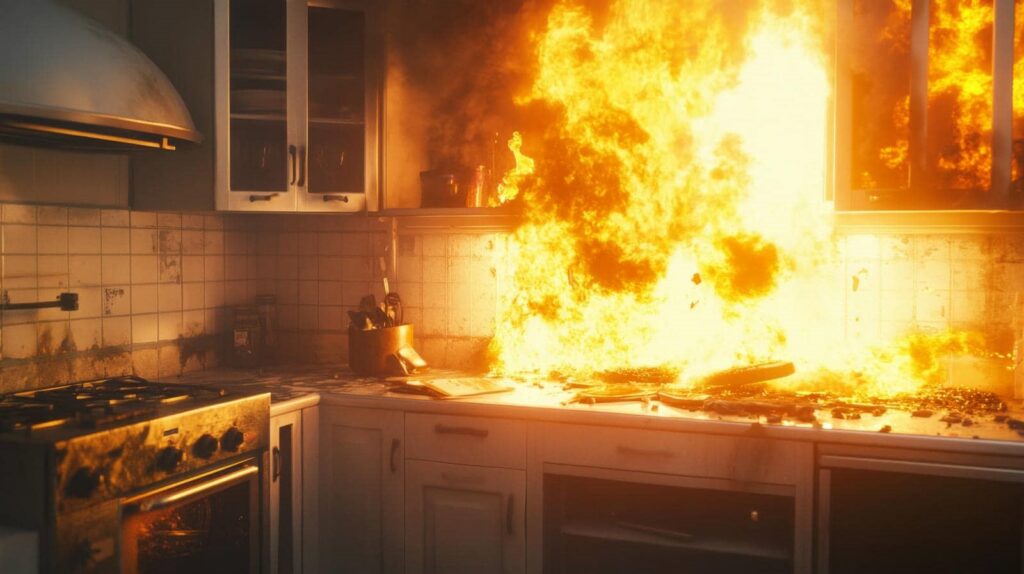
When it comes to fire and smoke restoration, having the right tools is vital for effective mitigation and recovery. You need to guarantee safety during damage assessments and utilize technology for thorough evaluations. From thermal imaging cameras to advanced air movers, each tool plays a role in restoring environments impacted by fire. Understanding their functions can greatly enhance your restoration efforts. Let’s explore these essential tools and their specific benefits for your projects.
Key Takeaways
- Conduct thorough risk assessments and use personal protective equipment (PPE) to ensure safety during fire and smoke restoration.
- Utilize thermal imaging cameras to detect hidden heat patterns and moisture, preventing further damage and mold growth.
- Employ high-powered air movers and industrial-grade dehumidifiers to expedite drying and maintain ideal humidity levels.
- Invest in advanced smoke and odor removal machines to improve air quality and eliminate harmful particles effectively.
- Choose appropriate moisture meters for accurate readings and timely action against moisture issues, enhancing overall restoration management.
How to Ensure Safety During Damage Assessment and Restoration
When evaluating damage after a fire or smoke incident, prioritizing safety is essential, as hazards can lurk in every corner.
Start by conducting a thorough risk assessment to identify potential dangers like structural instability or toxic fumes. Equip yourself with personal protective equipment (PPE) such as respirators, gloves, and hard hats to shield against harmful substances.
Guarantee proper ventilation during assessment and restoration to minimize exposure to smoke and chemicals. Familiarize yourself with the area’s layout to avoid unforeseen risks, and always work in teams when possible.
Communicating effectively with your team fosters a safer environment, allowing everyone to feel supported. Remember, your safety isn’t just a priority; it’s a shared responsibility that strengthens your collective efforts in restoration.
Why You Need a Thermal Imaging Camera for Damage Assessment?
How can a thermal imaging camera transform your damage assessment process? This advanced tool offers significant thermal imaging benefits, allowing you to visualize hidden heat patterns that traditional methods miss.
With precise temperature readings, you can identify areas of residual damage, ensuring no spot is overlooked. Utilizing effective damage detection techniques, you can quickly assess the extent of fire and smoke impact, streamlining your restoration efforts.
Not only does this enhance accuracy, but it also fosters a sense of community among professionals who prioritize meticulousness in restoration. By integrating thermal imaging into your toolkit, you can elevate your assessments, ensuring a thorough approach to fire and smoke restoration that truly meets your needs.
High-Powered Air Movers for Quick Drying
To expedite the drying process after fire and smoke damage, high-powered air movers are essential tools in your restoration arsenal. These devices utilize high-speed technology to generate strong airflow, greatly enhancing drying efficiency.
By directing concentrated air toward wet surfaces, air movers help evaporate moisture more quickly, preventing further damage and mold growth.
Positioning multiple units strategically guarantees that air circulates effectively throughout the affected area. This not only speeds up drying but also creates a healthier environment as it helps eliminate lingering odors.
When you incorporate high-powered air movers into your restoration efforts, you’re making a proactive choice to mitigate damage and restore spaces efficiently.
Having these tools at your disposal fosters a sense of community and support among restoration professionals.
Industrial-Grade Dehumidifiers for Effective Humidity Control
When restoring fire and smoke-damaged spaces, maintaining ideal humidity levels is essential for effective drying and mold prevention.
You’ll want to take into account energy efficiency and portability in selecting industrial-grade dehumidifiers, as these factors can greatly impact your restoration timeline and costs.
Versatility also plays a key role, allowing you to adapt the equipment to various environments and challenges you may encounter.
Optimal Humidity Levels
Achieving ideal humidity levels is essential for effective fire and smoke restoration, as excess moisture can lead to further damage and mold growth.
To maintain optimal humidity control and guarantee proper moisture balance, follow these key guidelines:
Use industrial-grade dehumidifiers to quickly extract moisture from the air.
Monitor humidity levels regularly with hygrometers to ensure they stay between 30-50%.
Ventilate the affected area to promote air circulation and reduce trapped moisture.
Seal any leaks to prevent external moisture from infiltrating the space.
Energy Efficiency Considerations
Maintaining ideal humidity control not only protects against further damage but also impacts energy efficiency during fire and smoke restoration.
By using industrial-grade dehumidifiers, you guarantee effective humidity management while reducing energy consumption. These energy efficient appliances are designed to operate at peak performance, helping you save on utility costs.
Additionally, many models incorporate sustainable materials, aligning with eco-friendly practices. This approach not only supports your restoration goals but also reflects a commitment to environmental responsibility.
As you prioritize energy efficiency, you’ll find that investing in high-quality dehumidifiers enhances both the restoration process and your bottom line, fostering a sense of community among those who value sustainability and efficiency in their restoration efforts.
Portability and Versatility Options
Industrial-grade dehumidifiers are essential for effective humidity control in fire and smoke restoration, particularly due to their portability and versatility.
When selecting these versatile tools, consider the following features that enhance their usability:
Weight: Lightweight designs make transport effortless across various job sites.
Stackability: Many models allow for stacking, optimizing storage and transport space.
Adjustable Settings: Tailored humidity control options enable you to customize settings for specific environments.
Durable Construction: Built to withstand harsh conditions, ensuring longevity and reliability.
Investing in portable equipment like these dehumidifiers not only improves efficiency but also makes your restoration efforts more effective, fostering a sense of belonging in your professional community.
How Advanced Smoke and Odor Removal Machines Improve Air Quality?
While smoke and odors can linger long after a fire, advanced smoke and odor removal machines are designed to tackle these challenges effectively.
Utilizing advanced filtration systems, these machines capture and eliminate harmful particles, improving indoor air quality. They often incorporate ozone treatment, which neutralizes odors at a molecular level, ensuring a fresher environment.
You’ll find that these technologies not only remove visible contaminants but also address the invisible ones that can affect health and comfort.
By investing in these machines, you’re taking a proactive step in restoring your space, enhancing both air quality and your overall well-being.
With the right tools, you can create a safe and inviting atmosphere for yourself and others.
Best Cleaning Solutions for Fire Damage Restoration
When tackling fire damage restoration, choosing the right cleaning solutions is essential for effectively removing soot, smoke residues, and other contaminants.
Here are four recommended cleaning agents to take into account for ideal soot removal:
Alkaline Cleaners: These are effective for breaking down heavy soot and grease.
Solvent-Based Cleaners: Ideal for cleaning surfaces where water-based solutions can’t penetrate.
Biodegradable Cleaners: These eco-friendly options are safe for both the environment and your health.
Oxygenated Cleaners: Perfect for deep cleaning, they help eliminate odors while breaking down smoke residues.
Using these tailored cleaning agents will enhance your restoration efforts and contribute to a healthier living environment.
Being equipped with the right tools fosters a sense of belonging in your restoration community.
Use Reliable Moisture Meters for Effective Monitoring
After addressing soot and smoke residues with appropriate cleaning solutions, the next step in fire and smoke restoration involves monitoring moisture levels.
Reliable moisture meters are vital tools for accurate moisture measurement techniques. These devices help you detect hidden moisture that can lead to mold growth and structural damage if left unchecked.
Understanding moisture detection importance is significant; it guarantees the integrity of the restoration process and protects your property.
When selecting a moisture meter, choose one that suits your specific needs, whether it’s for walls, floors, or ceilings.
Regular monitoring will empower you to take timely action, ultimately fostering a safer and healthier environment for everyone involved in the restoration.
Frequently Asked Questions
What Personal Protective Equipment Is Essential for Fire Restoration Work?
For fire restoration work, you need fire resistant clothing and respiratory protection. These essentials safeguard you from harmful particles and extreme heat, ensuring your safety while you effectively tackle challenging restoration tasks.
How Long Does Fire and Smoke Restoration Typically Take?
Fire and smoke restoration typically takes one to three weeks, depending on the severity of the fire damage. The restoration process involves assessment, cleaning, and repairs, all essential for returning your space to its original condition.
Are There Any DIY Methods for Smoke Odor Removal?
Yes, you can use home remedies like vinegar or baking soda as odor neutralizers. Combine deep cleaning with air purifiers to effectively remove smoke odors, creating a fresher environment in your space.
What Are the Costs Associated With Fire Restoration Services?
Fire restoration costs vary widely, typically ranging from $1,500 to $20,000 or more. Check your insurance coverage for potential assistance, and always request detailed restoration estimates to understand the full financial impact of the service.
How Can I Prevent Future Fire Damage in My Property?
You might think ignoring fire safety keeps your property untouched, but it doesn’t. Prioritize property upgrades like smoke detectors and fire-resistant materials. Regularly inspect and maintain all systems to guarantee your safety and peace of mind.
Summary
Utilizing the right tools for fire and smoke restoration is essential for effective recovery. For example, consider a case where a home suffered from a kitchen fire; using thermal imaging cameras helped identify hidden hotspots, while high-powered air movers and dehumidifiers drastically reduced drying time. By implementing advanced smoke removal machines and precise moisture meters, you guarantee a healthier living environment, demonstrating how a strategic approach can greatly enhance restoration outcomes.