
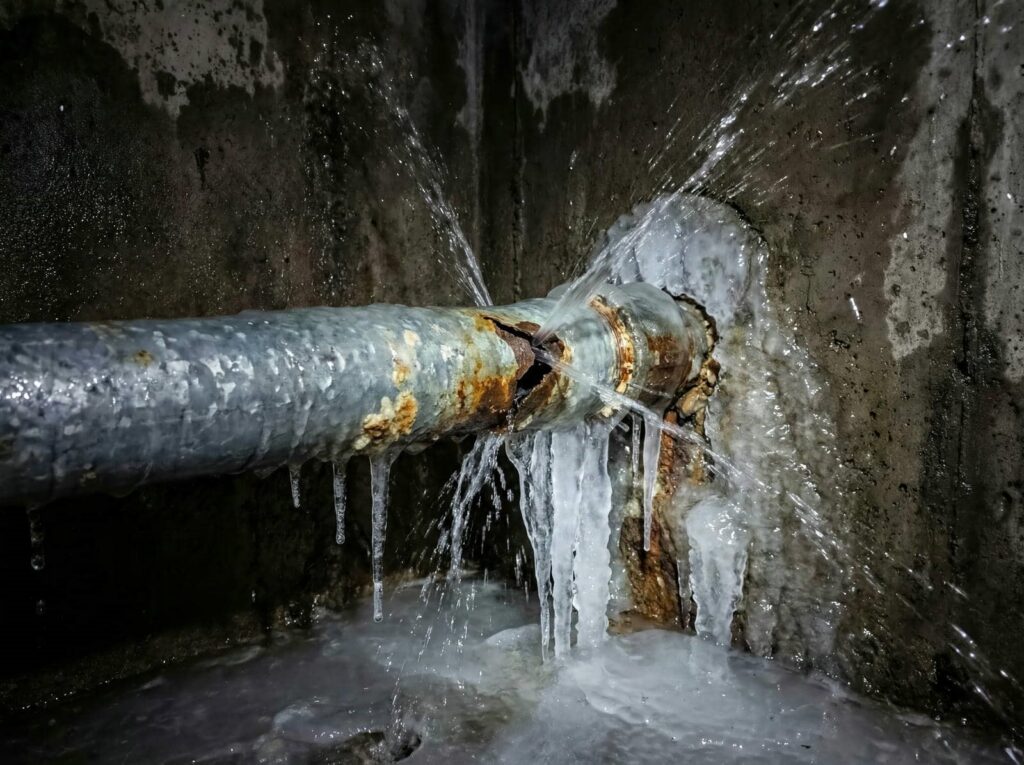
When dealing with burst pipe damage claims, it’s important to approach the situation methodically. You need to grasp your insurance coverage and act quickly to report any damage. Documenting the incident thoroughly is essential, as it supports your claim. Understanding how to communicate effectively with your insurer can make a significant difference. Each step in this process is critical, and knowing what to do next can help you navigate the complexities ahead.
Key Takeaways
- Understand your insurance coverage, including limits and exclusions, to accurately navigate the claims process for burst pipe damage.
- Document the damage thoroughly with clear photographs and detailed notes to support your claim effectively.
- Communicate promptly with your insurer, submitting all required documentation and asking questions about the claims process.
- Follow up regularly with the adjuster, maintaining professionalism and clear records of all communications to strengthen your claim.
- Implement preventive measures, such as regular inspections and proper insulation, to minimize the risk of future pipe damage.
Understanding Your Insurance Coverage for Burst Pipe Damage
Make sure you know the specific limits for water damage, as they can vary greatly. Additionally, pay close attention to coverage exclusions. Some policies may not cover damage caused by neglect or lack of maintenance, which could leave you vulnerable.
It’s also wise to check if there are any waiting periods or deductibles that apply before you can make a claim. By grasping these details, you’ll be better equipped to navigate the claims process and secure the support you need when disaster strikes, fostering a sense of community and belonging in tough times.
Documenting the Damage: Essential Steps to Capture
When a burst pipe causes damage, accurately documenting the situation is essential for your claim.
Start by taking clear photographs from multiple angles to capture the extent of the damage, and then record detailed notes on what occurred and any immediate actions you took.
This thorough documentation will support your case and help streamline the claims process.
Take Clear Photographs
Taking clear photographs is crucial for documenting the damage caused by a burst pipe. This photographic evidence serves as essential support for your claim, helping insurers assess the extent of the damage accurately.
Start by capturing wide-angle shots of the affected areas to provide context. Then, focus on specific details—like water stains, warped materials, or mold growth—to highlight the severity of the situation.
Ensure proper lighting and avoid flash to prevent glare, which can obscure important features. Take multiple angles to offer an all-encompassing view, and consider using a ruler or object for scale.
Record Detailed Notes
Documenting damage from a burst pipe demands meticulous note-taking to complement your photographic evidence. As a homeowner, it’s essential to capture every detail accurately.
Start by describing the location and extent of the damage, including specific rooms affected. Note the date and time of the incident, as this information aligns with insurance terminology and can expedite your claim process.
Document any mitigation efforts you’ve undertaken, like shutting off the water or contacting professionals. Include descriptions of damaged materials—walls, flooring, and personal items—as these details reflect your homeowner responsibilities.
Keep your notes organized and clear; this will strengthen your case with your insurer, ensuring you receive the compensation you deserve for your losses.
How to Contact Your Insurer About Burst Pipe Damage
Contacting your insurer about burst pipe damage is an important step in the claims process. Effective insurer communication ensures that your claim is initiated smoothly and efficiently. Here’s how to approach this vital interaction:
Gather Documentation: Collect all relevant documents, including photos, receipts, and your policy details.
Prepare a Summary: Write a concise summary of the damage, including when it occurred and any immediate actions you took.
Ask Questions: Clarify the next steps in the claim process and any required documentation.
Follow Up: Keep track of your communication and follow up if you don’t receive a timely response.
How to Choose a Professional for Damage Cleanup
How do you know which professional to trust for damage cleanup after a burst pipe? Start by researching local cleaning services with a solid reputation.
Look for reviews and testimonials that reflect their reliability and effectiveness. Verify their professional qualifications, such as certifications in water damage restoration and experience with similar incidents.
Don’t hesitate to ask for references; a trustworthy professional should readily provide them. Ascertain they’ve the necessary insurance to cover any potential liabilities.
Additionally, inquire about their cleanup process and the equipment they use. This knowledge will help you gauge their expertise and commitment to quality work.
Ultimately, choosing the right professional can make a significant difference in restoring your home effectively.
Submitting Your Claim: Key Information to Include
When submitting your claim for damage caused by a burst pipe, it’s crucial to include specific information that will support your case.
Start with a well-completed claim form, ensuring you’ve filled out all sections accurately. Along with this, attach necessary documents to strengthen your claim.
Here’s what to include:
- Photographic evidence of the damage and affected areas.
- Repair estimates from licensed professionals, detailing the costs involved.
- Inspection reports that outline the cause of the burst pipe.
- Documentation of previous maintenance on the plumbing system.
Providing these key pieces of information can greatly enhance your chances of a successful claim, making the process smoother and more effective.
Common Mistakes to Avoid When Filing Burst Pipe Claims
Filing a burst pipe claim can be complicated, and avoiding common mistakes is vital for a successful outcome.
One common misconception is thinking that all damage is automatically covered; always review your policy details.
Failing to document the damage thoroughly is another pitfall—photos and detailed descriptions are essential for supporting your claim.
Additionally, not following the correct filing procedures can delay your claim or lead to denial. Be sure to report the incident promptly and comply with any deadlines set by your insurer.
Finally, don’t underestimate the importance of keeping records of all communication with your insurance company.
How to Follow Up on Your Claim
Following up on your claim is essential to ensure timely processing and resolution.
Regularly contacting your adjuster helps you stay informed about the status of your claim and any necessary actions.
Additionally, documenting all communications thoroughly creates a clear record that can support your case if issues arise.
Contact Your Adjuster Regularly
Maintaining regular contact with your adjuster is essential for effectively managing your burst pipe damage claim. Frequent adjuster communication helps you stay informed and ensures your claim progresses smoothly.
Here are some strategies to enhance your follow-up process:
- Schedule consistent check-ins to discuss claim updates.
- Prepare specific questions about the claims process or pending decisions.
- Take notes during conversations to keep track of important details.
- Request updates on timelines for inspections or reimbursements.
Document All Communications Thoroughly
Regular communication with your adjuster lays the groundwork for an effective claims process, but documenting all interactions is equally important.
Establish clear communication strategies by noting dates, times, and the content of each conversation. This helps you keep track of what’s been discussed and agreed upon.
Use documentation best practices by saving emails, letters, and any relevant texts, as these records can support your claim if disputes arise.
Create a dedicated folder—physical or digital—to organize all correspondence related to your claim.
This thorough documentation strengthens your position and fosters a sense of community, as you’ll feel more confident managing the claims process.
What’s the Timeline for Your Burst Pipe Claim?
When dealing with a burst pipe claim, understanding the timeline is essential for effective resolution. Timeline expectations can vary, but a general framework helps you navigate the claim processing efficiently. Here’s what to anticipate:
Initial Notification: Report the damage to your insurer immediately.
Inspection Period: Expect an adjuster to assess the damage within a week.
Claim Decision: Insurers typically take 10-30 days to decide on your claim after the inspection.
Payout Processing: Once approved, funds can take an additional 1-2 weeks to reach you.
Being aware of these stages aids in your expectations and empowers you to follow up appropriately, ensuring your claim progresses smoothly.
Tips for Negotiating With Insurers
Negotiating with insurers can feel intimidating, yet approaching it strategically can make a significant difference in your claim’s outcome. Familiarize yourself with common insurance terminology to communicate effectively. Use effective negotiation strategies to strengthen your position.
| Strategy | Purpose | Example |
|---|---|---|
| Gather Documentation | Supports your claim | Receipts, photos, estimates |
| Understand Coverage | Clarifies what’s included | Review your policy details |
| Stay Professional | Builds rapport with adjusters | Keep communication respectful |
Preventing Future Burst Pipe Issues
To prevent future burst pipe issues, you should prioritize regular pipe inspections and maintenance.
Ensuring your pipes are properly insulated and your heating systems are functioning effectively can greatly reduce the risk of freezing and subsequent bursts.
Taking these proactive steps protects your property and saves you from potential costly repairs down the line.
Regular Pipe Inspections
Early Detection: Spot small leaks or corrosion before they worsen.
Cost Savings: Prevent expensive repairs by addressing issues early.
Increased Longevity: Extend the life of your plumbing system through proactive care.
Peace of Mind: Feel secure knowing your pipes are regularly monitored.
Engaging in regular inspections fosters a sense of community responsibility and helps you maintain a safe and comfortable living environment for everyone.
Insulation and Heating Maintenance
Proper insulation and heating maintenance are essential in preventing burst pipe issues, especially during colder months.
Start by evaluating insulation types in your home, such as fiberglass, foam, or spray foam, to ensure pipes are adequately protected. Insulate vulnerable areas like attics and crawl spaces, where cold air can impact pipe integrity.
Regularly check your heating system for efficiency; a well-maintained heater can help maintain a consistent temperature, reducing the risk of frozen pipes.
Consider setting your thermostat to a steady temperature, even when you’re away.
Frequently Asked Questions
Will My Homeowners Insurance Cover Temporary Repairs After a Burst Pipe?
Your homeowners’ insurance might cover temporary repairs, but it depends on your policy specifics. Review your plan’s temporary repair guidelines to understand coverage limits and ensure you address the damage promptly for better claims support.
Can I Choose My Own Contractor for Repairs?
Yes, you can choose your own contractor for repairs. Selecting a skilled professional can streamline repair timelines, ensuring quality work. Just confirm with your insurance about coverage to ensure a smooth, satisfying experience.
What if the Damage Was Caused by Neglect?
If the damage stems from negligence factors, you might face challenges in claims. It’s essential to demonstrate you’ve met maintenance responsibilities; otherwise, insurers could deny coverage based on perceived disregard for property upkeep.
How Do I Handle Claims for Additional Living Expenses?
To tackle claims for additional living expenses, track your temporary housing costs meticulously. Use documentation tips like receipts and photos, ensuring you’ve got solid proof of your emergency housing situation for a smoother claims process.
Are There Limits on How Much I Can Claim for Damages?
Yes, there are claim limits based on your policy coverage. Review your insurance policy to understand maximum payouts and specific conditions. Knowing these details helps you effectively navigate the claims process and manage your expectations.
Wrap-Up
In traversing the labyrinth of burst pipe damage claims, you’re not just a homeowner; you’re a master strategist. By meticulously documenting every detail, communicating with your insurer, and employing the right professionals, you wield the power to turn a potential disaster into a manageable process. Remember, the stakes are high—your home’s integrity is on the line. With diligence and foresight, you can transform this intimidating challenge into a triumph, ensuring your living space remains a sanctuary.