
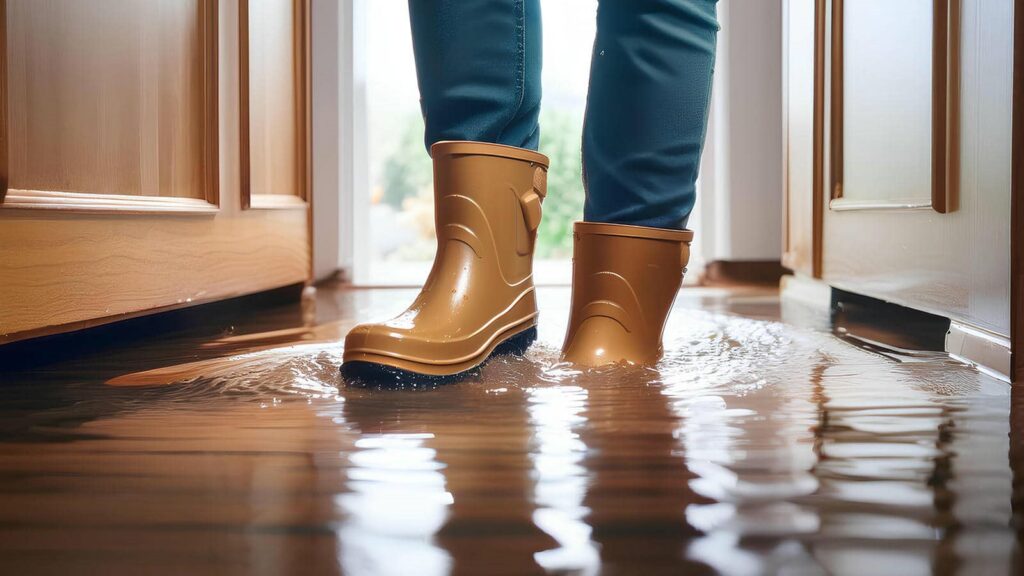
When you’re faced with emergency water damage, quick and precise assessment is key. You need to identify the source and gauge the extent of the damage to protect your property effectively. Using specialized tools can help uncover hidden moisture that might not be immediately visible. Understanding the critical signs of water damage can make a significant difference. Let’s explore how to conduct a thorough evaluation and what steps to take next.
Key Takeaways
- Quickly identify the water source to prevent further damage and prioritize immediate action.
- Use moisture meters and infrared cameras for accurate detection of hidden moisture levels.
- Inspect affected areas thoroughly, focusing on walls, ceilings, and floors for signs of intrusion.
- Document all damage with clear photographs and detailed notes to support insurance claims.
- Prioritize flooded areas at risk of structural damage and salvage valuable belongings first.
Why Timely Water Damage Assessment Is Crucial
When water damage strikes, acting quickly can make all the difference in minimizing loss and preventing further complications.
Timely impact assessments allow you to identify the extent of the damage, helping you prioritize emergency response efforts effectively. By evaluating affected areas promptly, you can prevent mold growth, structural issues, or further deterioration of your property.
Understanding the damage’s scope empowers you to make informed decisions about repairs and restoration, fostering a sense of control in a chaotic situation.
Additionally, swift action demonstrates a commitment to safety and community well-being, reinforcing your connections with those around you.
In a crisis, timely assessments protect your assets and promote a supportive environment for recovery and resilience.
Key Signs of Water Damage
When you inspect your property, keep an eye out for visible water stains on ceilings and walls, as they often indicate underlying issues.
A musty odor can also signal moisture problems that need immediate attention.
Recognizing these key signs early can help prevent more extensive damage and costly repairs.
Visible Water Stains
Visible water stains serve as crucial indicators of underlying water damage in your home. These stains often arise from various water sources, including leaking roofs, burst pipes, or condensation.
You’ll notice different stain types, such as dark spots or yellowish-brown patches, which signal the severity and duration of the issue. Identifying these signs early can prevent further damage and costly repairs.
When you find these stains, it’s important to investigate their origins, as they can lead to mold growth or structural issues if left unaddressed.
Musty Odor Presence
Water damage often manifests through visible signs and through unmistakable odors. If you notice a musty smell in your space, it’s likely a sign of underlying mold growth. This odor often points to moisture issues—common odor sources include damp walls, hidden leaks, or waterlogged materials.
Ignoring this scent can lead to significant health risks, as mold spores can circulate in the air you breathe. To protect your home and well-being, act promptly.
Investigate areas where the smell is strongest, checking for hidden moisture. If you find mold, it’s essential to address both the source of the water and the mold growth itself. Taking these steps will help ensure your environment remains safe and comfortable for you and your loved ones.
Must-Have Tools for Water Damage Evaluation
To effectively assess water damage, having the right tools at your disposal is essential. A moisture meter is a critical instrument that allows you to measure the moisture content in various materials, helping you pinpoint hidden water damage. Using this tool, you can quickly identify affected areas and prioritize your response.
An infrared camera is another must-have; it detects temperature variations, revealing moisture beneath surfaces that may not be visible to the naked eye. Together, these tools provide a thorough assessment, ensuring you address the problem efficiently.
Conducting Your Water Damage Evaluation
As you begin your water damage evaluation, it’s essential to approach the task methodically and with a keen eye for detail.
Start by following this assessment checklist:
Water Source Identification: Determine where the water is coming from. Is it a burst pipe, a roof leak, or flooding?
Extent of Damage: Inspect walls, ceilings, and floors for signs of water intrusion or structural compromise. Look for discoloration, warping, or mold.
Contents Assessment: Evaluate the damage to personal belongings. Identify items that can be salvaged and those that need replacement.
Prioritizing Areas for Immediate Response
While evaluating your water damage, prioritizing areas for immediate response is essential to mitigating further issues.
Start by identifying flooded areas that pose the highest risk to structural integrity and safety. Focus on priority zones like basements, where water can accumulate quickly, and electrical systems, which can become hazardous.
Assess rooms with valuable belongings or important documents, as these may require urgent attention to prevent irreversible damage.
Don’t forget about entry points; ensuring they’re clear can keep your home safe from additional water intrusion.
How to Document Water Damage for Insurance
When documenting water damage for insurance, it’s essential to take clear photographs of affected areas and items.
Make sure to keep detailed notes about the extent of the damage, including dates and descriptions.
This thorough approach will support your claim and help expedite the recovery process.
Take Clear Photographs
Documenting water damage through clear photographs is vital for a successful insurance claim. Using effective photograph techniques ensures that you capture the extent of the damage accurately. Here are some documentation tips to keep in mind:
Wide Shots: Capture the entire affected area to show the overall impact.
Close-Ups: Take detailed shots of specific damage, like mold or warped surfaces, to highlight critical issues.
Before and After: If possible, include images from before the damage occurred for comparison.
These techniques help create a thorough visual record, aiding your claim process.
Keep Detailed Notes
Keeping detailed notes is essential for a successful insurance claim, as it provides a clear timeline and context for the damage you’ve experienced.
Use effective note-taking strategies to document every detail, from the date the water damage occurred to the specific areas affected. Include descriptions of the damage, any repairs needed, and conversations with contractors or insurance adjusters.
This damage tracking will help you remember vital information and strengthen your case when dealing with your insurer. Make sure to organize your notes chronologically and keep copies in a safe place.
This diligence shows your insurer that you’re serious about your claim and can foster a sense of belonging in your community as you seek support.
Best Practices for Ongoing Monitoring and Future Prevention
To effectively safeguard your property against future water damage, implementing a proactive monitoring strategy is essential.
Prioritizing preventive maintenance and moisture control can make a significant difference. Here are three best practices to contemplate:
Regular Inspections: Schedule routine checks of your plumbing, roof, and foundation to catch potential issues early.
Moisture Detection: Use moisture meters and sensors in high-risk areas to monitor humidity levels and detect leaks promptly.
Education and Awareness: Stay informed about common water damage causes, and educate your family or tenants on how to respond effectively.
Frequently Asked Questions
How Can I Prevent Mold Growth After Water Damage?
To prevent mold growth after water damage, implement mold prevention strategies like maintaining humidity control below 60%, using dehumidifiers, and ensuring proper ventilation. Regularly inspect affected areas to catch potential issues early and protect your home.
What Should I Do if I Find Hazardous Materials?
If you encounter hazardous materials, treat them like a ticking time bomb. Wear protective gear, ventilate the area, and alert authorities. Your safety’s paramount, so take all necessary precautions to protect yourself and others.
Are There Any DIY Methods for Assessing Water Damage?
You can assess water damage using DIY techniques like checking for discoloration, musty odors, and soft spots on walls. Use moisture meters to pinpoint hidden issues, ensuring your home stays safe and healthy for everyone.
How Long Does It Typically Take for Water Damage to Appear?
You’ll typically see visible damage indicators within 24 to 48 hours. The water damage timeline can vary, but early detection helps you prevent further issues, ensuring your space feels like home again.
When Is Professional Help Necessary for Water Damage Assessment?
You need professional help for water damage assessment when you spot indicators like discoloration, mold, or warping. These signs often require expertise to evaluate the extent, ensuring your home’s safety and preventing further issues.
Final Thoughts
Timely water damage assessment can save you significant money and stress. By swiftly identifying the source, utilizing essential tools, and prioritizing at-risk areas, you can mitigate damage effectively. Remember, thorough documentation aids in insurance claims and helps prevent future issues. Stay vigilant and proactive to safeguard your property against water damage.