
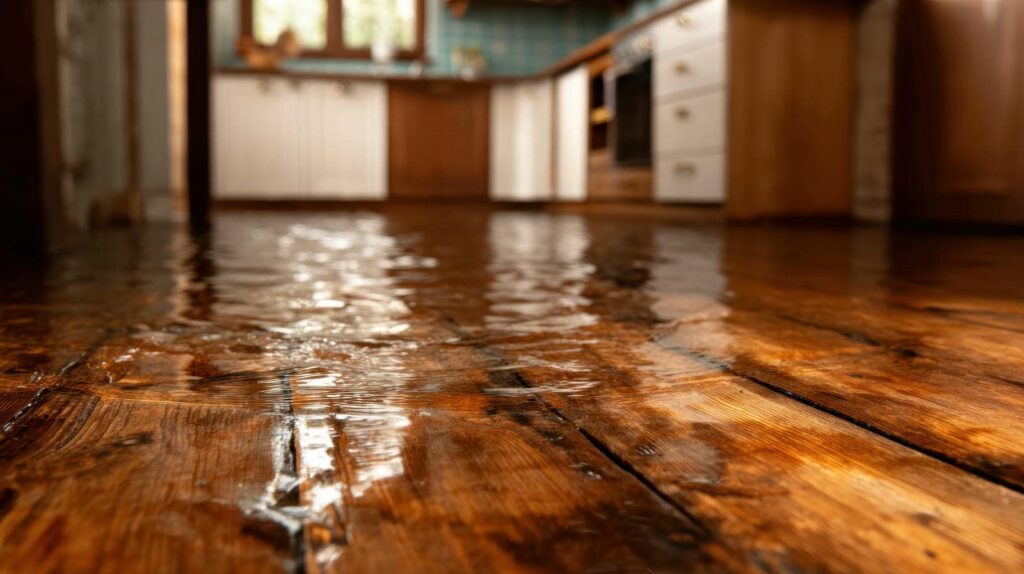
When a burst pipe disrupts your home, knowing the essential burst pipe damage steps for filing a damage claim is vital. You need to act quickly to minimize damage and gather necessary documentation. Understanding your insurance coverage is equally important, as it can greatly impact your claim’s success. As you navigate this process, being aware of common pitfalls can save you time and frustration. What you do next could determine how smoothly your claim unfolds.
Key Takeaways
- Shut off the water supply immediately to prevent further damage and assess the affected areas for visible harm.
- Document all damage with detailed photographs and a written inventory of affected items, including their condition and value.
- Review your insurance policy to understand coverage limits, exclusions, and necessary documentation for filing a claim.
- Notify your insurance provider promptly, submitting required claim forms and documentation to avoid delays in processing.
- Maintain open communication with the insurance adjuster, documenting all interactions and clarifying any uncertainties throughout the claims process.
Immediate Steps to Take After a Burst Pipe
When you discover a burst pipe, act quickly to minimize damage. First, shut off the water supply to prevent further flooding.
Then, call for emergency response services if the situation is severe. It’s crucial to assess the affected areas and document any visible damage.
Next, begin water extraction as soon as possible to reduce the risk of mold and structural issues. Use wet vacuums or towels to soak up standing water.
If you can safely access electricity, turn off power to avoid hazards.
After initial cleanup, ventilate the space to help with drying.
How to Document Damage for Burst Pipe Claims
To effectively document damage for your burst pipe claim, start by taking clear, detailed photographs of the affected areas and items. Focus on capturing the extent of water damage, including walls, flooring, and personal belongings.
Make sure you take photos from various angles to provide a complete view. Next, create a written inventory of damaged items, noting their condition and estimated value. This damage assessment will support your claim and help your insurer understand the full impact.
Additionally, keep records of any repair attempts and related expenses. Combining photographic evidence with a thorough written account will strengthen your claim and help you navigate the process more efficiently.
Understanding Your Insurance Coverage for Burst Pipe Claims
After documenting the damage and gathering necessary evidence, it’s important to understand how your insurance policy applies to burst pipe claims.
Start by reviewing your coverage limits, as they dictate how much your insurer will pay for repairs. Knowing these limits helps you gauge potential out-of-pocket expenses.
Be mindful of policy exclusions, too; certain situations, like neglect or lack of maintenance, mightn’t be covered. Familiarizing yourself with these details can make a significant difference when filing your claim.
If you’re uncertain about any terms, don’t hesitate to reach out to your insurer for clarification. Understanding your coverage prepares you for the claims process and fosters a sense of security within your community.
How to File a Burst Pipe Damage Claim
When you face damage from a burst pipe, it’s essential to document everything thoroughly.
Next, notify your insurance provider as soon as possible to start the claims process.
Finally, make certain you submit all required claim forms to ensure a smooth resolution.
Document The Damage Thoroughly
As you navigate the aftermath of a burst pipe, documenting the damage thoroughly becomes essential for a successful claim. Start by taking clear, detailed photographs of all affected areas. This visual evidence will support your case with your insurance provider.
Next, gather repair estimates from licensed contractors to show the extent of the damage and potential costs. Keep a record of your insurance policy details, as they’ll guide you on what’s covered.
- Capture images of water damage on walls and floors
- Document damaged personal belongings
- List any immediate repairs made to prevent further damage
Meticulously compiling this information will strengthen your claim and help you receive fair compensation for your losses.
Notify Your Insurance Provider
Once you’ve documented the damage, it’s time to notify your insurance provider. Act quickly; the urgency of your claim can greatly impact the outcome.
Start by making an insurance notification that includes all relevant details about the burst pipe and the resulting damage. Be clear and concise, providing dates, descriptions, and any photographic evidence you’ve gathered. This information helps your insurer assess the situation swiftly.
Remember, timely communication is key to facilitating a smoother claims process. If possible, follow up with a phone call to confirm they received your notification and to discuss next steps.
Submit Required Claim Forms
To ensure your burst pipe damage claim is processed efficiently, you need to submit the required claim forms promptly. Missing submission deadlines can delay your claim or even lead to denial.
Make sure you accurately fill out the claim form details, as any inconsistencies may cause further issues.
- Gather all necessary documentation, including photos and repair estimates.
- Double-check that all information is complete and correct before submission.
- Keep a copy of everything you send for your records.
Common Mistakes in Burst Pipe Damage Claims
Many people make critical errors when filing burst pipe damage claims, which can greatly impact their compensation.
One common mistake is relying on insurance misconceptions, thinking all damage is automatically covered. Not reading your policy thoroughly can lead to unexpected denials.
Another pitfall involves delaying the claim process. Prompt reporting is essential; waiting too long can weaken your case.
Additionally, failing to document the damage properly—like taking photos or keeping receipts—can hurt your claim.
Many also underestimate the importance of detailed communication with your insurer.
By avoiding these claim process pitfalls, you’ll enhance your chances of receiving fair compensation.
Understanding these common mistakes helps you navigate your claim more effectively, ensuring you feel supported throughout the process.
Tips for Working With Claims Adjusters
Steering through the claims process can be intimidating, especially after making mistakes that could hinder your compensation. To effectively work with claims adjusters, focus on clear communication and strategic negotiation.
Document Everything: Keep detailed records of all communications and damages.
Be Professional: Approach discussions with respect; it fosters a cooperative atmosphere.
Use Claims Communication Strategies: Clearly articulate your expectations and any discrepancies.
Utilizing effective adjuster negotiation tactics can help you navigate potential roadblocks, ensuring you present a strong claim.
By staying organized and proactive, you’ll feel more confident and enhance your chances of a favorable outcome.
Expectations During the Claims Process
When you file a claim for burst pipe damage, understanding the timeline for processing is essential.
You’ll need to gather specific documentation to support your claim, so being organized will help streamline the process.
Knowing what to expect can make steering through this experience much smoother.
Timeline For Claims Processing
While steering through the claims process for burst pipe damage, understanding the timeline can greatly ease your concerns. The claims timeline can vary, but it’s important to remain patient and informed. Here’s what you can generally expect:
Initial Reporting: You’ll typically report the incident within a few days.
Investigation Phase: Expect a review of your claim, which can take one to two weeks.
Resolution and Payment: After approval, processing delays may still occur, but payments usually follow within a month.
Being aware of these stages helps you manage your expectations. If delays arise, don’t hesitate to reach out to your claims adjuster for updates.
Staying proactive can make a significant difference in your experience.
Documentation You Will Need
What documentation do you need to support your burst pipe damage claim? You’ll want to gather essential items to streamline the process and strengthen your case. This includes completed claim forms and a thorough damage assessment.
Here’s a quick reference table to help you organize your documents:
| Documentation Type | Purpose |
|---|---|
| Claim Forms | Official request for compensation |
| Damage Assessment Report | Detailed breakdown of damages |
| Photos of Damage | Visual evidence to support your claim |
Having this documentation ready will expedite your claim and ensure you present a compelling case. Stay organized, and you’ll feel more confident during the claims process.
What to Do If Your Claim Is Denied?
If your claim gets denied, don’t panic; there are steps you can take to address the situation effectively.
Start by reviewing the denial letter to understand the reasons behind it. This will help you prepare for the appeal process.
- Gather additional documentation to support your case.
- Contact your insurance adjuster for clarification on the denial.
- Consider your legal options if the appeal is unsuccessful.
Frequently Asked Questions
Can I Claim for Water Damage to My Personal Belongings?
Yes, you can claim for water damage to your personal belongings. Check your insurance policy for coverage details, document the damage, and report it promptly to ensure you receive the compensation you’re entitled to.
How Long Do I Have to File a Burst Pipe Claim?
You typically have one to three years to file a burst pipe claim, depending on your state. Be sure to check claim deadlines and follow specific filing procedures to ensure your belongings are protected.
Will My Insurance Cover Temporary Repairs?
Your insurance might cover temporary repair costs, but it depends on your policy specifics. Review your coverage details and consult your insurer to understand what’s included and ensure you’re protected during the repair process.
What if the Burst Pipe Is Due to Negligence?
If negligence caused the burst pipe, you might face liability. Ensure you fulfill your maintenance responsibilities to avoid costly repairs and complications with insurance claims.
Are There Limits on Claim Payouts for Burst Pipe Damage?
Yes, there are often payout limits in the claim process for burst pipe damage. Insurance policies typically specify these caps, so you should review your policy details to understand the maximum amount you can claim.
Final Thoughts
In the aftermath of a burst pipe, maneuvering the claims process can feel like a formidable labyrinth. However, by following the essential steps outlined, you can emerge with your claim intact, much like Theseus wielding a thread to find his way. Remember, thorough documentation and understanding your policy are your best allies. Stay proactive in communication with your insurer, and don’t hesitate to appeal if necessary. Your diligence can turn a potential disaster into a manageable restoration.