
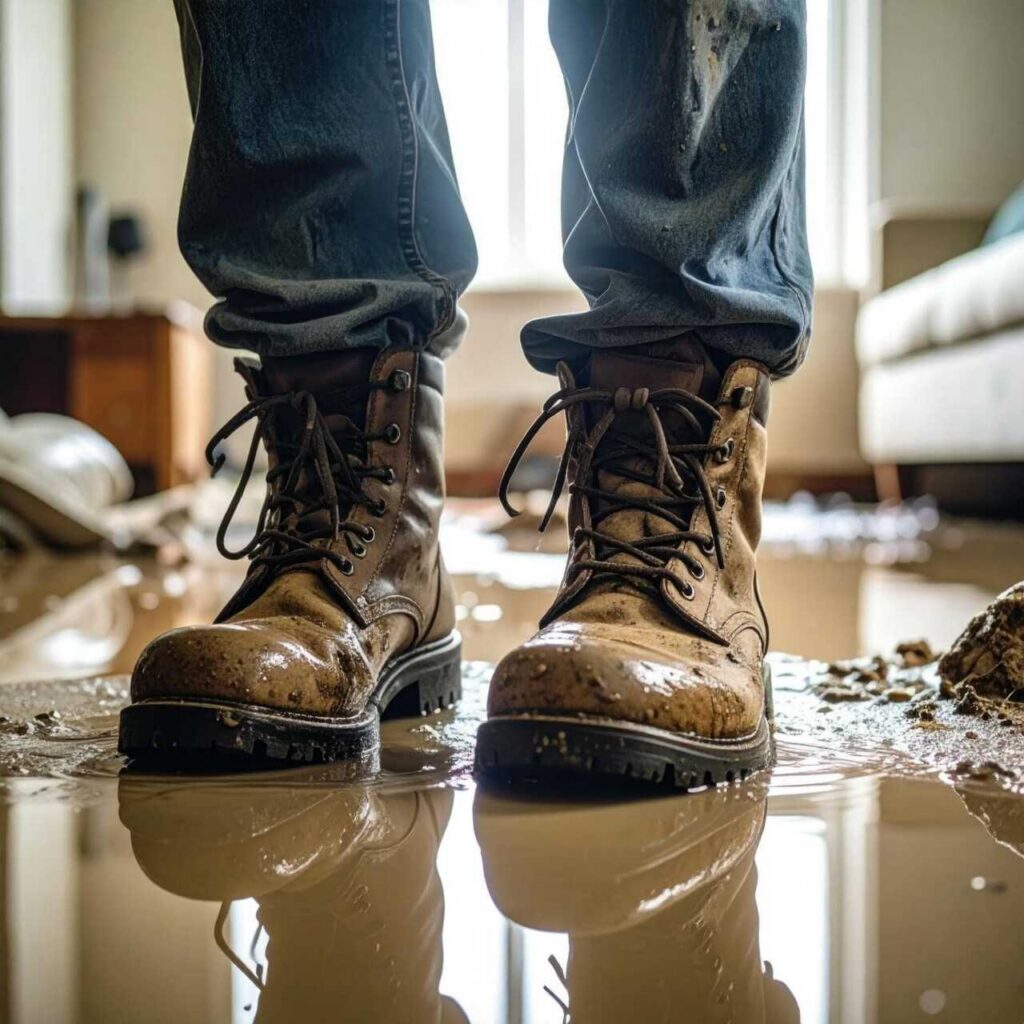
When you face water damage emergencies, a quick assessment is essential. You need to identify problems early to prevent further issues. Utilizing moisture meters and thermal imaging cameras can pinpoint hidden moisture that’s often overlooked. A thorough visual inspection in high-risk areas will reveal early signs of mold. But how do you document these findings effectively for insurance purposes? Understanding these steps can make all the difference in your remediation process.
Key Takeaways
- Utilize a moisture meter and thermal imaging camera to quickly identify hidden water sources and assess moisture levels in affected materials.
- Conduct a thorough visual inspection to trace the source of water intrusion, focusing on plumbing, roofing, and drainage systems.
- Document all damage meticulously, noting the origin of water and evaluating the extent for insurance claims and future reference.
- Implement immediate water extraction methods like wet/dry vacuums or specialized pumps to prevent further damage and mold growth.
- Employ high-velocity fans and dehumidifiers to ensure rapid drying and monitor moisture levels throughout the process for effectiveness.
Why Quick Water Damage Assessment Matters: Identify Problems Early
When water damage strikes, acting swiftly is essential; identifying problems early can save you significant time and money. Quick assessment allows you to pinpoint the source and extent of the damage before it escalates.
By implementing preventive measures, you can mitigate risks, reducing potential long-term effects like structural damage or mold growth. Regular inspections and monitoring can help you stay ahead of issues, ensuring your space remains safe and sound.
Don’t underestimate the importance of addressing even minor leaks immediately; they can lead to costly repairs down the line. By prioritizing early detection, you foster a sense of belonging in your community, knowing you’re safeguarding your property, and the well-being of those around you.
Essential Tools for Water Damage Inspection
A thorough water damage inspection relies on a suite of essential tools that enable you to accurately assess the situation.
First, a moisture meter is critical for precise water detection; it helps measure the moisture content in materials.
Next, a thermal imaging camera allows you to identify hidden water sources behind walls or ceilings by detecting temperature variations.
Don’t forget a hygrometer to measure humidity levels, which can indicate ongoing issues.
Regular tool calibration is fundamental to ensure accuracy; without it, you risk making faulty assessments.
Additionally, a reliable infrared thermometer can help confirm temperature discrepancies.
How to Spot the Source of Water Intrusion?
How can you effectively identify the source of water intrusion in a property? Spotting the cause is essential for timely intervention. Follow these steps:
Inspect for Roof Leaks: Check for missing shingles or damage around vents.
Examine Plumbing Issues: Look for signs of leakage around pipes, fixtures, and appliances.
Assess Drainage Problems: Confirm gutters are clear and downspouts direct water away from the foundation.
Evaluate Weather Impact: Consider recent weather events that could exacerbate existing vulnerabilities.
Using leak detection techniques helps pinpoint the water source, whether it’s from appliance failures, basement flooding, or external factors.
Addressing these areas systematically ensures you tackle the problem at its root.
How to Assess Structural Integrity Following Water Damage?
After you’ve identified the source of water intrusion, it’s essential to assess the structural integrity of your property.
Start with a thorough visual inspection, focusing on load-bearing elements and any signs of warping or cracking.
Utilize moisture detection methods to pinpoint areas at risk, ensuring the safety and stability of your structure.
Visual Inspection Techniques
When evaluating structural integrity following water damage, employing effective visual inspection techniques is essential.
You’ll want to meticulously assess the affected areas to identify potential issues. Here’s a structured approach:
Inspect Drainage Systems: Check for blockages or failures that could exacerbate water issues.
Evaluate Leak Patterns: Trace any visible water stains or discoloration to determine the source and extent of damage.
Examine Structural Elements: Look for warping, sagging, or cracking in beams, joists, and walls.
Assess Materials: Identify compromised materials like drywall or insulation that may need replacement.
Load-Bearing Considerations
Following the visual inspection, it’s important to focus on load-bearing considerations to ensure the safety and stability of the structure.
Start by identifying load-bearing walls, as these are essential for maintaining the building’s integrity. Look for signs of water damage, like sagging or cracking, which may signal weakness.
Confirm that structural reinforcement is evaluated, as it might be necessary to enhance support in affected areas. Use a level to check for any shifts or misalignments in beams and joists.
Document any findings meticulously, as this information will guide repair strategies. Remember, prioritizing these assessments protects the property and assures the safety of everyone inside.
Your thorough approach can make a significant difference in recovery efforts.
Moisture Detection Methods
To accurately assess structural integrity after water damage, employing effective moisture detection methods is crucial. You should consider the following techniques:
Moisture Meters: These handheld devices provide precise readings of moisture levels in various materials, helping identify hidden dampness.
Thermal Imaging: This technology detects temperature differences that indicate moisture presence behind walls or ceilings, allowing for early intervention.
Hygrometers: Use these to measure ambient humidity levels, which can indicate the extent of water damage in a space.
Core Sampling: Extracting material samples can provide direct evidence of moisture content within structural elements.
Implementing these methods ensures you accurately gauge the extent of water damage, facilitating informed decision-making for repairs and restoration.
How to Spot Mold and Mildew Growth?
To spot mold and mildew growth, start by examining areas with high moisture levels, such as bathrooms, basements, and around plumbing fixtures.
Look for visual indicators like discolored patches, black spots, or a musty odor, which can signal the presence of mold.
Regular inspections of these common locations will help you identify potential issues before they escalate.
Visual Indicators of Mold
Since mold and mildew can pose serious health risks, recognizing their visual indicators is essential for early intervention.
Familiarizing yourself with different mold types and their characteristics can greatly aid in prevention strategies.
Look for these indicators:
Discoloration: Notice dark spots or patches, often green, black, or white.
Texture: Examine surfaces for a fuzzy or slimy texture, which can indicate mold growth.
Odor: Pay attention to musty smells, often a sign of hidden mildew or mold.
Water Damage: Identify areas with water stains, as these are prime locations for potential mold development.
Common Mildew Locations
Identifying common mildew locations is essential for effective mold prevention. Start by checking areas with high moisture levels, such as bathrooms, kitchens, and basements. Look under sinks, behind appliances, and in corners where condensation accumulates.
Pay attention to window sills and frames, as they often trap moisture.
Next, inspect your HVAC systems; ducts can harbor mildew if not properly maintained. Use mildew prevention strategies like sealing leaks and ensuring proper ventilation.
Implement indoor humidity control by using dehumidifiers or exhaust fans to keep humidity levels below 60%. Regularly monitor these areas, as early detection is key to preventing extensive damage and maintaining a healthy living environment.
How to Document Water Damage for Insurance?
As you begin the process of documenting water damage for insurance claims, it’s crucial to capture every detail accurately. Follow these steps to ensure a thorough assessment:
Take Damage Photographs: Capture clear images of affected areas from multiple angles, making certain that all damage is visible.
Record Measurements: Measure the extent of the damage, noting dimensions of affected structures or items.
List Damaged Items: Create a detailed inventory of all damaged possessions, including their value and replacement costs.
Note Water Source: Document the origin of the water intrusion, whether it’s from a burst pipe, flood, or another source.
How to Effectively Extract Water From Your Space?
Start by evaluating the severity of the water intrusion to determine the best extraction method. For minor flooding, using a wet/dry vacuum can be effective, while more extensive water damage may require specialized pumps.
Familiarize yourself with various water removal techniques, like submersible pumps for deeper water or extraction wands for carpets and upholstery.
Once you’ve removed standing water, it’s essential to employ drying equipment options. High-velocity fans and dehumidifiers help prevent mold growth and expedite drying.
Position fans strategically to create airflow, ensuring all surfaces dry thoroughly. Monitor moisture levels throughout the process to confirm effectiveness.
Best Practices for Post-Water Damage Assessment and Restoration
After effectively extracting water and employing drying techniques, it’s time to assess the damage and plan for restoration. Follow these best practices to ensure a thorough evaluation:
Document Damage: Take photos and notes to create a clear record, which aids in insurance claims and future reference.
Evaluate Structural Integrity: Inspect walls, floors, and foundations for signs of weakness or mold growth.
Identify Affected Materials: Determine what can be salvaged and what needs replacement, which helps streamline your restoration timeline.
Implement Prevention Strategies: Develop a plan to prevent future occurrences, including improved drainage and moisture control solutions.
Frequently Asked Questions
What Are the Health Risks Associated With Water Damage?
Water damage poses health risks like mold growth and bacteria exposure, which can severely compromise air quality. Additionally, it threatens structural integrity, leading to potential hazards that affect your safety and well-being. Act quickly to mitigate.
How Long Does It Take to Dry Out Affected Areas?
It typically takes 3 to 7 days to dry out affected areas, depending on drying techniques and moisture measurement. Using dehumidifiers and fans accelerates the process, ensuring your space returns to normal quickly.
Can I Assess Water Damage Myself or Should I Hire a Professional?
You can assess water damage yourself with a DIY assessment, but a professional evaluation ensures detailed detection of hidden issues. Professionals have specialized tools and expertise, providing an extensive understanding that may save you time and money.
What Are the Costs Involved in Water Damage Restoration?
Water damage restoration costs vary, typically ranging from $1,000 to $5,000. Your insurance coverage might offset some expenses, but restoration services will depend on damage severity and necessary repairs. Always get multiple estimates for comparison.
How Can I Prevent Future Water Damage Incidents?
To prevent future water damage, implement effective waterproofing methods and install drainage solutions around your property. Regularly inspect these systems, ensuring they function properly. This proactive approach fosters a resilient environment, protecting your home from potential disasters.
Recap
In the aftermath of water damage, swift action is your lifeline. Picture yourself equipped with moisture meters and thermal cameras, revealing hidden threats lurking within walls. Each step you take—documenting findings, evaluating structural integrity—turns chaos into clarity. By embracing these pro techniques, you safeguard your property and shield your health from lurking mold and mildew. With diligence and precision, you’ll restore your space, transforming it back into a safe haven.