
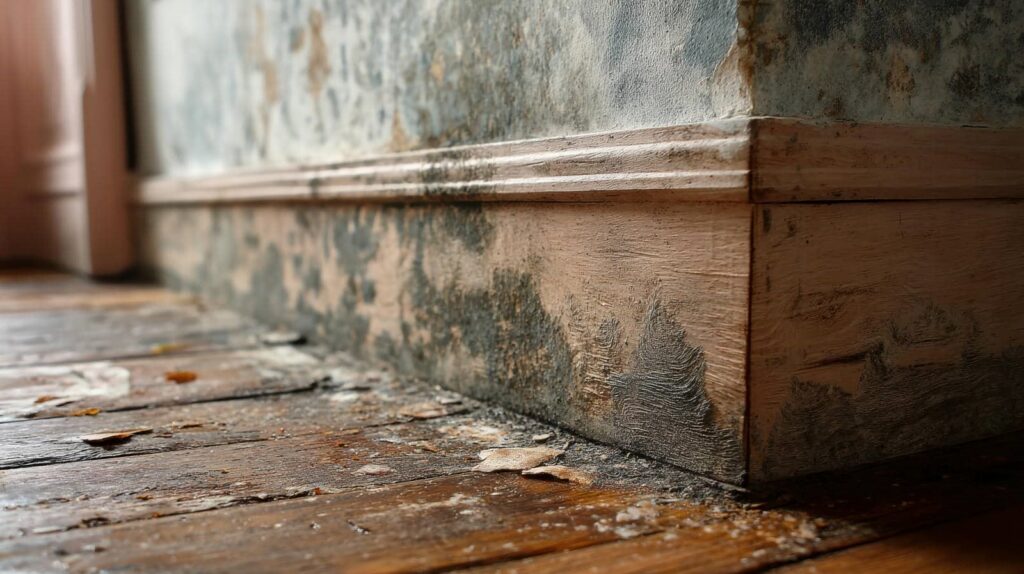
After flooding, mold can become a serious concern, threatening both your health and property. It’s vital to identify any mold presence quickly and take appropriate action. You’ll need to prioritize safety and use effective mold cleanup techniques. Understanding the best practices not only addresses immediate issues but also helps prevent future infestations. Knowing when to tackle the problem yourself versus when to call in professionals is key. Let’s explore these essential tips further.
Key Takeaways
Inspect high-moisture areas for mold signs like discoloration and musty odors to identify affected zones early.
Wear proper PPE, including gloves, goggles, and masks, to protect yourself during the cleanup process.
Use natural remedies like vinegar or baking soda for small mold patches; scrub thoroughly and ensure proper ventilation afterward.
Control moisture levels with dehumidifiers and ensure good air circulation to prevent future mold growth.
Hire professionals for extensive mold issues, ineffective DIY attempts, or if health symptoms arise during cleanup.
Identifying Mold After Flooding
After flooding, identifying mold is essential to maintaining a safe environment. Start by inspecting areas with high moisture sources, like basements and crawl spaces.
Different mold types, such as black mold and mildew, can thrive in damp conditions. Look for discoloration on walls, ceilings, and flooring, as well as a musty odor that often accompanies mold growth.
Utilize a flashlight to examine hidden spots, including behind appliances and under carpets. Remember, the sooner you identify mold, the easier it’s to manage.
If you find extensive growth, consider consulting a professional to guarantee thorough remediation. Understanding these signs not only protects your health but also fosters a safer, more welcoming space for you and your loved ones.
Stay Safe: Key Precautions for Mold Cleanup
When dealing with mold cleanup, it’s crucial to prioritize your safety before starting the process. First, gather proper personal protective equipment (PPE), including gloves, goggles, and a mask to shield against harmful spores.
Make sure your clothing covers your skin completely and consider using a disposable suit for added protection.
Next, assess the areas affected by mold and guarantee proper ventilation to minimize inhalation risks. Use appropriate cleanup equipment, such as scrub brushes and HEPA vacuums, to effectively remove mold without spreading it further.
Always keep a first aid kit nearby and have someone else informed of your activities, just in case. By taking these precautions, you can protect yourself while tackling the mold cleanup effectively.
Trusted Mold Removal Techniques
With your safety measures in place, it’s time to explore trusted mold removal techniques. Start with mold testing to determine the extent of the problem. This step guarantees you know what you’re dealing with.
For smaller areas, natural remedies like vinegar or baking soda can be effective. Apply these solutions to the affected surfaces and scrub thoroughly.
For larger infestations, consider using a commercial mold remover, but always follow the manufacturer’s instructions. After cleaning, confirm proper ventilation to help prevent future growth.
Tips to Prevent Future Mold Growth
To effectively prevent future mold growth, it’s essential to control moisture levels within your home.
Start by identifying areas prone to dampness, such as basements and bathrooms. Use dehumidifiers to maintain indoor humidity below 60%.
Make certain proper air circulation by opening windows when weather permits and using exhaust fans while cooking or showering.
Regularly inspect gutters and downspouts to prevent water accumulation around your foundation. Additionally, seal any leaks in windows and roofs to keep moisture out.
When cleaning, opt for mold-resistant products that inhibit growth.
Finally, keep indoor plants to a minimum, as they can introduce extra humidity.
When to Hire Mold Remediation Professionals
If you notice extensive mold growth or persistent moisture issues, it’s essential to think about hiring mold remediation professionals.
These experts can guarantee a thorough mold inspection and provide the necessary professional services to protect your home and health.
Here are some signs that indicate it’s time to call in the pros:
- You see mold covering a large area (over ten square feet).
- Your attempts to clean mold haven’t worked or come back quickly.
- You experience health symptoms, like allergies or respiratory issues.
- There’s hidden mold in walls or ceilings.
- You’re unsure about the safety of DIY removal.
Don’t hesitate to seek help.
Addressing mold promptly can save you time, money, and health risks in the long run.
Frequently Asked Questions
How Long Does Mold Take to Grow After Flooding?
Mold can start growing within 24 to 48 hours under post-flood conditions. Understanding this mold growth timeline helps you act quickly, reducing potential health risks and damage to your property. Don’t wait; address it promptly.
Can I Use Bleach to Kill Mold?
You can use bleach for mold removal, but it’s not always the most effective method. While it kills surface mold, it doesn’t penetrate porous materials. Consider other mold removal methods for thorough eradication.
What Materials Are Most Susceptible to Mold Growth?
Mold thrives on materials like wood, drywall, and carpet. To combat this, you’ll need effective mold prevention strategies and moisture control techniques. Keeping surfaces dry and well-ventilated is essential for maintaining a healthy environment.
Will Mold Always Return After Cleanup?
Mold can return after cleanup if you don’t implement prevention strategies. Effective mold removal requires addressing moisture sources, maintaining ventilation, and regularly inspecting affected areas to guarantee the environment stays inhospitable for mold growth.
How Can I Tell if Mold Is Toxic?
To determine if mold’s toxic, look for mold identification techniques like color and texture. Monitor for health symptoms such as respiratory issues, skin irritation, or headaches. If you notice these, seek professional advice immediately.
Final Thoughts
In the dance of restoring your space after flooding, tackling mold is essential for a healthy home. By staying vigilant and using effective cleanup techniques, you can gracefully reclaim your environment. While some might enjoy the thrill of a DIY approach, don’t hesitate to invite professionals if the task feels overwhelming. With the right steps, you’ll not only banish mold but also create a breathable, welcoming atmosphere that sings with freshness.