
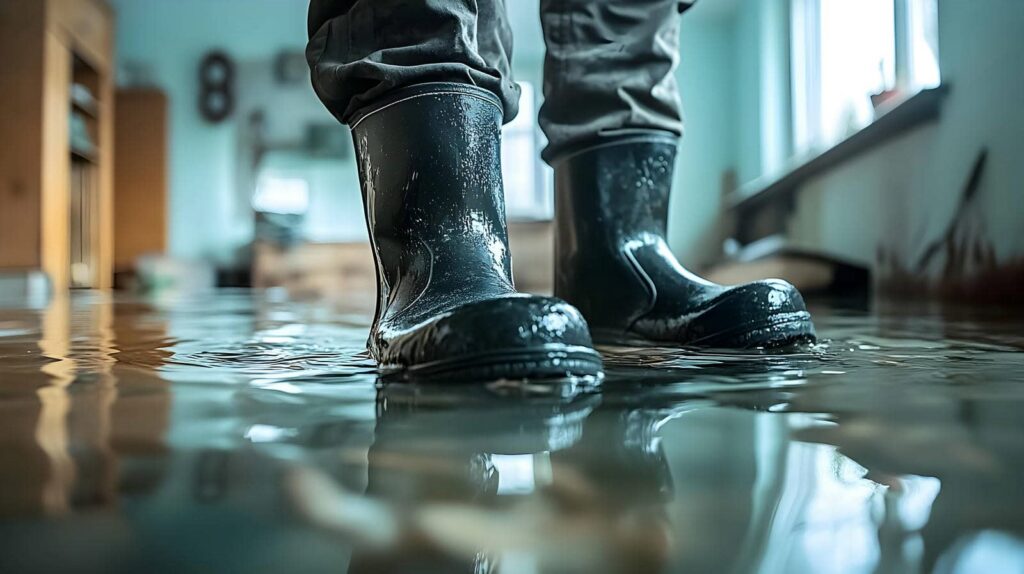
When it comes to evaluating water damage in your home, recognizing the signs early is vital. You’ll want to start with a thorough visual inspection, looking for stains or warped materials. Utilizing tools like moisture meters and infrared cameras can provide deeper insights. Knowing when to seek professional help can save you from costly repairs. Let’s explore the techniques and tools that can help you effectively evaluate and manage potential water damage issues.
Key Takeaways
Conduct visual inspections for stains, peeling paint, or bubbling wallpaper to identify visible signs of water damage.
Use moisture meters to accurately measure moisture levels in materials and detect hidden water issues.
Inspect concealed areas behind appliances and under sinks for potential leaks and damage not easily visible.
Monitor humidity levels with hygrometers to prevent mold growth and maintain a healthy home environment.
Call a professional for significant damage, hidden issues, or when dealing with contaminated water to ensure proper assessment and restoration.
How to Identify Signs of Water Damage
How do you know if your property has suffered from water damage? Start by inspecting walls, ceilings, and floors for water stains. These often appear as yellow or brown patches, signaling moisture intrusion.
Next, pay attention to any damp odors that linger, as they can indicate mold growth or hidden leaks. Check around windows, doors, and plumbing fixtures, where water damage frequently occurs.
Additionally, look for peeling paint or warped materials, which can suggest prolonged exposure to moisture. Finally, if you notice any sudden increases in your water bill, it might be time to investigate further.
How to Check for Water Damage in Your Home?
To check for water damage in your home, start by looking for visual signs like stains or peeling paint.
Next, measure moisture levels using a moisture meter to identify hidden issues.
Finally, inspect concealed areas, such as behind appliances and under sinks, where damage often lurks.
Visual Signs of Damage
Identifying visual signs of water damage is essential in maintaining the integrity of your home. Start by inspecting ceilings for staining or discoloration, which can indicate leaks.
Check walls for peeling paint or bubbling wallpaper, both signs of trapped moisture. Pay attention to warped flooring; it’s often a clear sign of prolonged exposure to water.
Musty odors can signal mold growth, so be alert for damp spots and rusted fixtures that may suggest plumbing issues.
Additionally, assess insulation for damage, as wet insulation loses effectiveness.
Check Moisture Levels
While visual inspections are essential, checking moisture levels provides a more accurate assessment of potential water damage in your home. You can use a moisture meter to measure the moisture content in walls, floors, and ceilings.
Start by identifying potential moisture sources, like leaky pipes or roof issues, and check areas near these sources first. A reading above 15% typically indicates water damage.
Additionally, monitor the humidity control in your home; maintaining levels between 30-60% helps prevent mold growth and further damage.
Regularly checking moisture levels helps you detect problems early and fosters a healthier living environment for you and your family.
Stay proactive to protect your home and ensure peace of mind.
Inspect Hidden Areas
Moisture readings provide a solid foundation, but inspecting hidden areas is essential for a thorough water damage assessment. You can’t always see the damage, so it’s vital to check spots where hidden leaks might occur.
Here’s what to look for:
Behind appliances: Check areas behind washing machines and refrigerators for signs of leaks.
Under sinks: Inspect plumbing connections and cabinetry for moisture or concealed mold.
Attics and basements: Look for water stains or musty odors that indicate hidden issues.
Key Tools for Assessing Water Damage
When evaluating water damage, having the right tools is essential for accurate evaluation.
Moisture meters allow you to quantify moisture levels in various materials, while infrared cameras help you identify hidden water intrusion by detecting temperature variations.
Using these tools effectively will enhance your evaluation process and lead to more informed remediation decisions.
Moisture Meters Overview
Accurate assessment of water damage relies heavily on specialized tools, with moisture meters standing out as essential instruments.
These devices help you determine the extent of moisture in various materials, ensuring you address issues effectively. Understanding moisture meter types and their accuracy can enhance your assessment.
Pin-type Meters: These use electrodes to measure moisture in wood and other materials.
Pinless Meters: They provide non-destructive readings, ideal for larger areas and delicate surfaces.
Hygrometers: Useful for measuring humidity levels in the air, complementing your moisture assessment.
Infrared Cameras Benefits
Infrared cameras offer a unique advantage in evaluating water damage, as they can detect temperature variations that indicate moisture presence beneath surfaces.
Using infrared technology, these devices provide a clear visual representation of problem areas through thermal imaging. You’ll quickly identify hidden leaks, damp spots, or insulation issues without invasive measures. This method allows you to assess the extent of damage efficiently, ensuring a targeted approach to repairs.
Additionally, infrared cameras help you document findings, which can be essential for insurance claims. By integrating this technology into your assessment toolkit, you gain a reliable ally in safeguarding your home.
Embracing these tools enhances your understanding and fosters a sense of community among homeowners facing similar challenges.
Why Moisture Meters Matter
Although water damage can often be hidden behind walls or beneath floors, moisture meters play an essential role in identifying and quantifying the extent of this issue.
By measuring moisture absorption in various materials, these devices help you effectively assess potential damage. Here are three key reasons why moisture meters matter:
Accurate Damage Detection: They provide precise readings, allowing you to pinpoint affected areas.
Preventing Further Issues: Early detection helps mitigate mold growth and structural damage.
Cost-Effective Solutions: Identifying moisture problems early can save you money on extensive repairs.
Using a moisture meter empowers you to take control of your home’s safety and longevity, ensuring you address water damage before it escalates.
When to Call a Professional for Water Damage?
Identifying moisture problems with a moisture meter is an important first step, but knowing when to call a professional is equally critical.
If you detect significant water damage, such as extensive mold growth or structural issues, it’s time to seek help. Professional assessments can identify hidden damage that you might miss.
Additionally, if you’re dealing with contaminated water or if the damage covers a large area, rely on experts for water damage restoration. Their specialized equipment and knowledge can ensure a thorough, safe recovery.
Don’t hesitate to call a professional if you feel overwhelmed or uncertain—your home deserves the best care to prevent further complications.
Trusting experts can save you time, money, and stress in the long run.
Preventing Future Water Damage in Your Home
To effectively prevent future water damage in your home, it’s essential to implement proactive measures.
Start by evaluating potential risk areas and applying appropriate solutions. Here are three key approaches:
Install drainage solutions: Confirm gutters and downspouts are clear and direct water away from the foundation.
Apply waterproofing methods: Use sealants on basement walls and install sump pumps to manage groundwater effectively.
Regular maintenance checks: Inspect plumbing for leaks and monitor appliances for signs of wear.
Frequently Asked Questions
How Can I Reduce the Risk of Mold After Water Damage?
To reduce mold risk after water damage, prioritize quick water extraction, ensure proper ventilation, and maintain low humidity levels. Regularly inspect areas prone to moisture, and consider mold prevention treatments to safeguard your home effectively.
What Types of Insurance Cover Water Damage Assessments?
Most homeowners’ insurance policies cover water damage assessments, but specifics vary. You’ll want to check your policy for exclusions or limits. Flood insurance might also apply, depending on the source of the water damage.
Are There DIY Methods to Detect Hidden Water Damage?
Yes, you can use moisture meters to measure dampness in walls and floors, and thermal imaging to spot temperature differences that indicate hidden water damage. Both tools help you effectively assess potential issues in your home.
How Long Does It Take for Water Damage to Show?
Water damage can show within hours to days, depending on the source. You’ll often see signs appearing like discoloration and mold growth. Understanding this water damage timeline helps you take timely action and prevent further issues.
What Should I Do Immediately After Discovering Water Damage?
What’s your first step after finding water damage? Act quickly! Start with emergency response measures, like shutting off water sources. Then, conduct a thorough damage evaluation to assess the extent and plan your next moves.
Review
By staying vigilant and utilizing the right tools, you can catch water damage before it spirals out of control. Imagine discovering a hidden leak just in time, preserving your walls and saving thousands in repairs. Regular inspections and the use of moisture meters can make all the difference. Remember, your home deserves attention; don’t wait for a small drip to become a waterfall. Taking proactive steps today ensures a safe, dry tomorrow.