
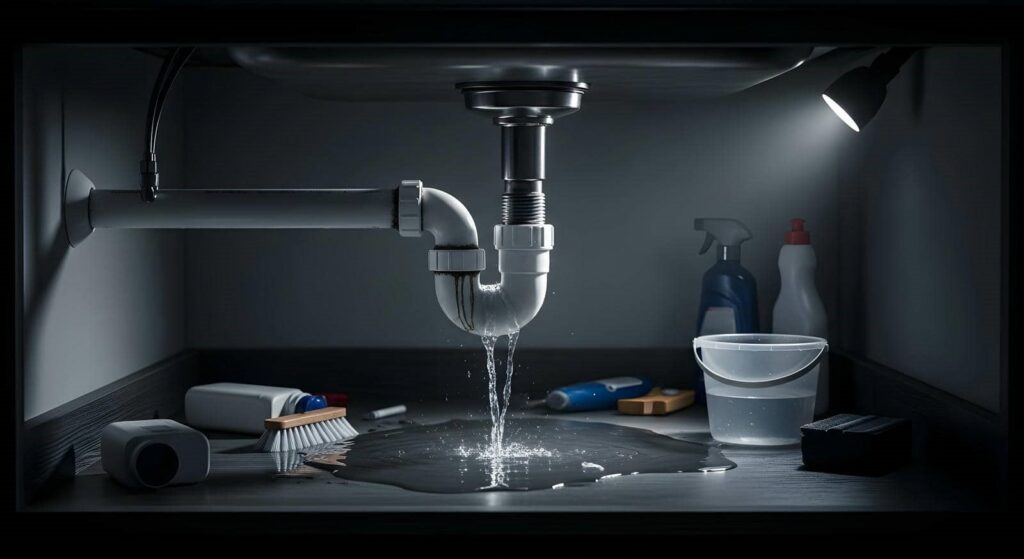
Many homeowners underestimate the complexity of evaluating burst pipe damage, believing it’s merely about spotting visible leaks. In reality, effective analysis requires a combination of advanced tools and techniques to uncover hidden issues. From moisture meters to thermal imaging, each method plays a critical role in understanding the full extent of the damage. Knowing how to utilize these strategies can greatly impact your response and recovery. What methods will you employ to ensure a thorough assessment?
Key Takeaways
- Use moisture meters to identify hidden water damage in walls and floors after a burst pipe incident.
- Employ thermal imaging cameras to detect moisture presence behind surfaces that are otherwise inaccessible.
- Inspect areas under sinks and behind appliances for signs of water accumulation and structural damage.
- Document all damages with detailed inventories and photographs to support insurance claims effectively.
- Call professionals if persistent leaks or unusual odors indicate serious underlying issues requiring expert assessment.
What Causes Burst Pipes?
Burst pipes can occur for several reasons, and understanding these causes is essential for prevention. High pipe pressure often leads to stress on the system, particularly in aging infrastructure where material fatigue is common.
Temperature fluctuations can cause pipes to expand and contract, increasing the risk of failure, especially when poor insulation allows cold air to reach vulnerable areas. Frozen pipes are another major concern, particularly during harsh winters, as ice expands, creating immense pressure.
Additionally, high water demand can overwhelm systems, leading to installation errors that compromise integrity. By recognizing these factors, you can better protect your plumbing and avoid costly repairs, fostering a sense of belonging to a community that values proactive maintenance and informed decision-making.
How to Spot Water Damage Early
While you mightn’t always notice it at first, early detection of water damage can save you significant time and money.
By implementing effective leak detection and moisture mapping techniques, you can identify issues before they escalate.
- Regularly check for discoloration on walls or ceilings.
- Listen for unusual sounds, like dripping or running water.
- Inspect hidden areas, such as under sinks and behind appliances.
- Monitor your water bill for unexplained increases.
- Use moisture meters to assess dampness in materials.
Essential Tools for Damage Assessment
Effective damage assessment relies on a few essential tools that can streamline your evaluation process. First, moisture meters are vital for identifying hidden water damage, allowing you to apply effective damage assessment techniques.
Thermal imaging cameras can reveal temperature differences, indicating moisture presence behind walls. Next, you’ll need borescopes to inspect inaccessible areas, ensuring no damage goes undetected.
Additionally, sound level meters can help identify leaks in pipes through acoustic detection. Finally, having a reliable data collection app can assist in organizing your findings efficiently.
Assessing Structural Integrity After a Burst Pipe
After identifying the extent of damage with your assessment tools, it’s essential to evaluate the structural integrity of the surrounding areas affected by the burst pipe. This evaluation is vital for effective pipe repair and damage prevention.
Consider these key factors:
Inspect load-bearing walls for cracks or shifts.
Assess foundation stability and moisture levels.
Evaluate surrounding materials, like drywall or insulation, for water damage.
Test for mold growth, which can indicate long-term issues.
Check plumbing connections to ensure no additional leaks.
Documenting Damage for Insurance
When documenting damage for insurance, visual evidence plays an essential role in substantiating your claims.
You should create a detailed inventory of all affected areas and materials, noting specific damages and their locations.
This thorough approach strengthens your case and expedites the claims process.
Importance of Visual Evidence
Visual documentation plays an essential role in substantiating claims related to burst pipe damage. When you gather photographic evidence, you create an undeniable record that strengthens your case with insurers.
This visual evidence captures the extent of the damage and aids in the claims process. Here are key reasons to prioritize visual documentation:
- Provides clear proof of damage severity
- Supports your narrative during claims discussions
- Facilitates quicker claim resolution
- Enhances credibility with insurance adjusters
- Serves as a reference for future repairs
Detailed Inventory of Damage
To effectively document burst pipe damage for insurance purposes, creating a detailed inventory is essential. Start by identifying all damage types, from structural issues to water damage in personal belongings.
Use inventory methods like taking photographs, listing affected areas, and noting the extent of damage. Each entry should include the date, location, and any immediate repairs made. This meticulous approach and strengthens your claim and provides clarity to your insurer.
Make sure you categorize the damage, as this can streamline the claims process. By maintaining an organized and thorough inventory, you’ll foster a sense of belonging in the recovery community, showcasing your proactive stance in addressing the aftermath of a burst pipe incident.
When to Call in Professionals for Damage Assessment
If you notice signs of severe damage, such as extensive water pooling or unusual structural shifts, it’s vital to call in professionals immediately.
They can assess potential structural integrity concerns that may compromise safety.
Additionally, if there’s a risk of water contamination, expert evaluation is essential to prevent health hazards.
Signs of Severe Damage
Recognizing the signs of severe damage from a burst pipe is essential for mitigating further issues. If you notice any of these indicators, it’s time to call in professionals for a thorough damage assessment:
Persistent leaks: Water pooling despite leak detection methods.
Unusual odors: Musty or moldy smells indicating hidden moisture.
Discoloration: Stains on walls or ceilings from compromised pipe materials.
Warped surfaces: Bubbles or bulges in flooring or drywall.
Decreased water pressure: Noticeable drop in flow, suggesting significant leaks.
Addressing these signs promptly can prevent extensive repairs and safeguard your property.
Engaging experts ensures accurate assessments, helping you restore safety and integrity efficiently.
Structural Integrity Concerns
Severe damage from a burst pipe can raise significant structural integrity concerns that shouldn’t be overlooked.
When evaluating such damage, the type of pipe materials involved plays an essential role. For instance, metal pipes may cause rust and corrosion, weakening support structures, while plastic materials might lead to different failure modes.
You should consider the repair methods available as well; temporary fixes may not suffice if the underlying structure is compromised.
If you notice sagging ceilings, cracks in walls, or other signs of distress, it’s time to call in professionals. They can conduct thorough inspections, assess structural integrity, and recommend appropriate repairs.
Prioritizing safety and long-term stability isn’t just wise; it’s vital for your home’s wellbeing.
Water Contamination Risks
While you might focus on visible damage from a burst pipe, the hidden risk of water contamination often demands immediate attention. Contamination can arise from various sources, and recognizing when to call in professionals is essential for your safety and health.
Consider the following:
Bacterial Growth: Stagnant water can foster harmful bacteria.
Chemical Contaminants: Nearby materials can leach into your water supply.
Mold Development: Moisture can lead to mold, affecting air quality.
Heavy Metals: Old pipes may corrode, releasing toxins.
Water Testing: Professional testing identifies contamination sources accurately.
If you suspect contamination, don’t hesitate to engage experts for thorough water testing and damage assessment. Your health and safety should always come first.
Frequently Asked Questions
How Can I Prevent Burst Pipes in the Future?
To prevent burst pipes, you should install pipe insulation and maintain temperature regulation throughout your home. Monitor your heating systems and ensure vulnerable areas are protected from extreme cold, reducing the risk of freezing and damage.
What Are the Signs of a Leak After a Pipe Bursts?
You’ll love discovering water damage signs after a burst pipe! Look for damp walls, mold growth, and unexplained puddles—your leak detection skills will shine as you identify and address these critical issues quickly.
Are There DIY Methods for Assessing Pipe Damage?
Yes, you can perform a DIY inspection for damage assessment. Look for water stains, listen for hissing sounds, and check for damp areas. Use a moisture meter for precise readings, ensuring you catch any issues early.
How Long Does It Take to Repair Burst Pipe Damage?
You’ll love this: repairing burst pipe damage can take anywhere from a few hours to several days, depending on the damage assessment. So, grab your calendar; that repair timeline isn’t going to fill itself!
Can Burst Pipes Affect My Home’s Value?
Yes, burst pipes can negatively impact your home’s value. Home insurance claims and property appraisals may reflect damage severity, leading to lower market appeal. Addressing these issues promptly can help mitigate potential value loss.
Conclusion
In evaluating burst pipe damage, combining advanced tools with keen observation is your best approach. Like a detective piecing together clues, you’ll uncover hidden moisture and structural threats, ensuring no detail slips through the cracks. Documenting your findings meticulously aids in recovery and strengthens your insurance claims. Remember, knowing when to call professionals can save you time and further complications, turning a potential disaster into a manageable repair. Stay proactive and informed.