
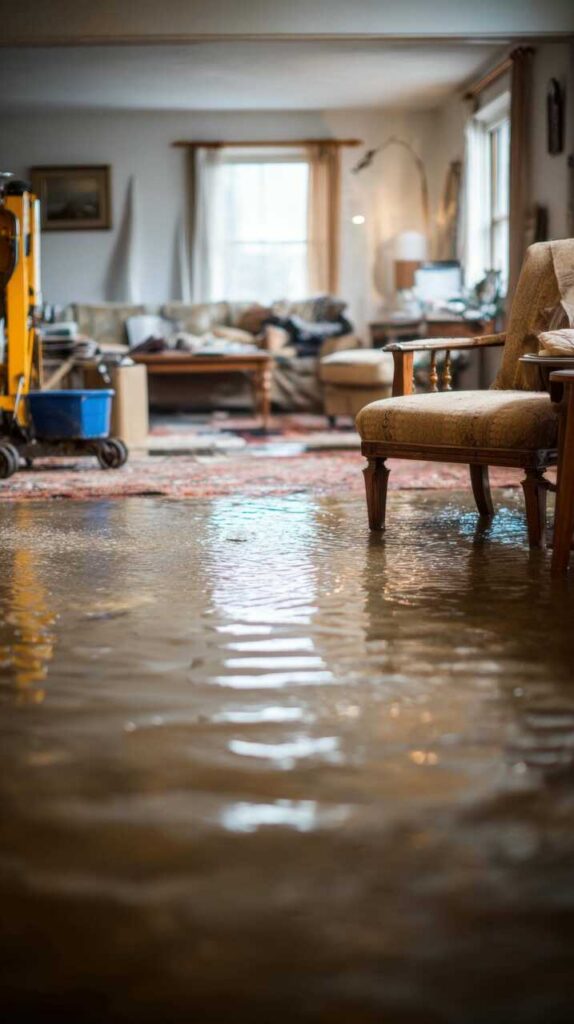
Many homeowners question whether filing insurance claims for water damage is truly necessary. While some might assume minor issues don’t warrant a claim, the financial repercussions of ignoring water damage can be significant. Understanding the nuances of your policy and the claims process could be essential for safeguarding your home and finances. What steps should you take to ensure you’re adequately protected when disaster strikes?
Key Takeaways
- Insurance claims for water damage help cover costly repairs and restoration that homeowners may not afford out-of-pocket.
- Filing a claim can provide compensation for temporary living expenses during repairs, alleviating financial stress.
- Insurance may cover specific types of water damage not typically included in standard policies, maximizing protection.
- Properly documenting damage and filing claims can help ensure you receive fair compensation for losses suffered.
- Engaging with your insurer promptly can prevent claim denial and streamline the recovery process.
What Types of Water Damage Are Covered by Insurance?
When it comes to insurance, understanding what types of water damage are covered is vital. Typically, standard homeowners’ policies cover certain types of water damage, but there are limitations.
For instance, flood damage usually requires separate flood insurance, as it’s not included in standard policies. On the other hand, sewer backup may be covered if you’ve added specific endorsements to your policy.
It’s important to review your coverage carefully, as many people assume they’re protected from all water-related issues. Knowing the distinctions can save you from unexpected costs down the line.
You’ll want to make sure that you have the right coverage in place to protect your home against these risks.
What to Do Immediately After Water Damage
Act quickly to minimize the damage after water intrusion. First, focus on water source identification to stop further flooding.
Next, take these immediate response actions:
- Turn off the main water supply to prevent more leaks.
- Disconnect electrical appliances to avoid electrocution.
- Use towels to soak up standing water, reducing moisture levels.
- Open windows and doors for ventilation to dry out the area.
- Document the damage with photos for future insurance claims.
Your prompt actions can greatly impact the extent of the damage and your recovery process.
By following these steps, you protect your property and set the stage for a smoother claim process later on.
How to Properly Document Water Damage?
To effectively document water damage, start by taking clear photographs of the affected areas from multiple angles.
Next, keep detailed records of the damage, including dates and descriptions of the events.
Finally, note any repair estimates you receive to support your claim.
Take Clear Photographs
Capturing clear photographs is essential for effectively documenting water damage, as these images serve as critical evidence for your insurance claim.
Quality photographic evidence enhances claim accuracy and strengthens your position with the insurance company.
To ensure your photos are effective, consider these tips:
- Capture wide-angle shots of the affected areas.
- Zoom in on specific damage, like warped floors or stained walls.
- Include timestamps to show when the damage occurred.
- Photograph any belongings affected by the water.
- Document the source of the leak, if possible.
Keep Detailed Records
Photographs alone won’t suffice; keeping detailed records is essential for a successful insurance claim. Document every aspect of the water damage, from the initial incident to the current state of your property.
Use documentation tools like notebooks or digital apps to track dates, times, and descriptions of the damage. This information is vital for establishing claim timelines, ensuring your insurer has a complete picture of the situation.
Be sure to include any interactions with professionals, such as plumbers or restoration experts. Consistent and thorough documentation strengthens your case and can expedite the claims process, making it easier for you to get the support you need.
Don’t underestimate the power of detailed records in your insurance journey.
Note Repair Estimates
Accurate repair estimates are essential for effectively documenting water damage and supporting your insurance claim. By ensuring estimate accuracy, you can clearly present repair costs to your insurer. Here’s how to do it:
Get multiple estimates from reputable contractors.
Document all repairs with photos showing the damage.
Include a detailed list of required materials and labor.
Keep receipts for any immediate repairs you made.
Maintain a timeline of events from the damage to repairs.
These steps help you create a thorough record, ensuring your claim is well-supported.
Navigating the Water Damage Claims Process
When you face water damage, understanding the claims process can greatly affect the outcome of your insurance claim.
Start by reviewing your policy limits to know what’s covered. Document the damage with photos and gather repair estimates to support your claim.
Next, notify your insurer promptly; this can help you stay within claim timelines. Each policy may have specific deadlines for reporting damage, so don’t delay.
As you navigate this process, keep communication open with your claims adjuster. They can provide insights into what’s required at each step.
Staying organized and proactive can help you manage your expectations and increase your chances of a successful claim. Together, you can work toward a resolution that restores your peace of mind.
Top 5 Mistakes to Avoid When Filing Water Damage Claims
Filing a water damage claim can be straightforward, but avoiding common pitfalls is essential for a successful outcome. Many people fall prey to misconceptions that can delay their claims.
Here are the top five mistakes to avoid:
Ignoring claim timelines, which can lead to denial.
Failing to document the damage thoroughly, missing key evidence.
Not notifying your insurer promptly, risking claim rejection.
Assuming all damages are covered without reviewing your policy.
Overlooking temporary repairs, which can affect your claim’s validity.
When to Seek Professional Help With Your Claim
When you face complex claim situations or extensive damage, it’s wise to seek professional help.
Steering through policy interpretation can also be tricky, and a specialist can clarify your coverage.
Recognizing these signs early can save you time and stress in the claims process.
Complex Claim Situations
Maneuvering a water damage claim can become complicated, especially if the extent of the damage is significant or involves multiple factors.
When facing claim complexities, knowing when to seek professional help is essential. Consider reaching out for assistance if:
- You’ve experienced extensive flooding.
- Multiple insurance policies are involved.
- The damage assessment is disputed.
- You’re unsure about negotiation strategies.
- You’re overwhelmed by paperwork and deadlines.
In these situations, professionals can provide clarity and ensure you receive fair compensation. They can navigate the intricacies of your claim, allowing you to focus on recovery.
Don’t hesitate to ask for help; it’s a smart decision that can save you time and stress in the long run.
Extensive Damage Assessment
Evaluating extensive water damage can be intimidating, particularly if the impact affects multiple areas of your home or property.
If you notice signs of mold growth or structural damage, it’s essential to seek professional help. Experts can conduct thorough assessments to determine the extent of the damage, which often goes beyond what’s visible.
They’ll also provide accurate estimates of restoration costs, ensuring you don’t underestimate the financial implications of your claim. By involving professionals, you safeguard your property and strengthen your claim with detailed documentation.
This proactive approach can streamline your insurance process, giving you peace of mind while you navigate the complexities of recovery.
Don’t hesitate to reach out for help when the situation’s overwhelming.
Policy Interpretation Challenges
Steering through your insurance policy can be just as intimidating as evaluating water damage itself. Understanding the nuances of coverage can lead to confusion and potential claim disputes.
Here’s when to seek professional help:
- Complex policy exclusions can obscure your coverage rights.
- Language that seems straightforward might hide critical details.
- Claims processes may vary widely between providers.
- Documentation requirements can be overwhelming.
- Deadlines for filing claims are often strict.
When you’re unsure about your policy’s interpretation, don’t hesitate to consult an expert. They’ll help clarify your coverage and navigate potential pitfalls, ensuring you receive the compensation you deserve.
Maximizing Your Water Damage Insurance Claim Savings
When you face water damage, understanding how to maximize your insurance claim can greatly reduce your out-of-pocket expenses.
Start by reviewing your policy limits carefully; knowing what’s covered can guide your claim strategies. Document all damage with photos and notes to support your case effectively.
Don’t hesitate to ask for help from a claims adjuster or attorney if needed—they can provide valuable insights into maximizing your settlement. Be proactive in submitting your claim and keep track of all communications with your insurer.
Finally, consider obtaining multiple estimates for repairs; this can help you negotiate better. By implementing these strategies, you can ensure you receive the compensation you deserve while minimizing your financial burden.
Frequently Asked Questions
How Long Do I Have to File a Water Damage Claim?
You typically have one year to file a water damage claim. Confirm you meet the claim process and documentation requirements to avoid delays. Acting quickly helps you secure your rights and potential compensation effectively.
Will My Insurance Premium Increase After Filing a Claim?
Yes, your insurance premium might increase after filing a claim. Insurers often assess premium impact based on claim frequency; multiple claims in a short period can lead to higher rates, affecting your overall insurance costs.
Can I File a Claim for Mold Growth After Water Damage?
Yes, you can file a claim for mold growth after water damage, especially if your insurance covers mold remediation. Just make certain you document everything and act quickly to maximize your coverage and ensure proper treatment.
Does My Policy Cover Water Damage From a Sewer Backup?
Your policy might not cover sewer backup damage, as many have specific exclusions for it. To be sure, review your policy details or speak with your agent about your coverage options regarding sewer-related incidents.
What if My Claim Is Denied or Underpaid?
If your claim’s denied or underpaid, you can file a claim appeal. Review your policy’s coverage limits carefully—understanding them helps you effectively argue your case and increases your chances of a favorable outcome.
Conclusion
Filing an insurance claim for water damage isn’t just a formality—it’s an essential step in safeguarding your finances. Consider a homeowner named Sarah, who faced a burst pipe, costing her thousands in repairs. By promptly filing her claim and documenting the damage, she secured compensation that covered most of her expenses. Don’t wait until it’s too late; understanding your coverage and steering through the claims process can make a significant difference when disaster strikes.