
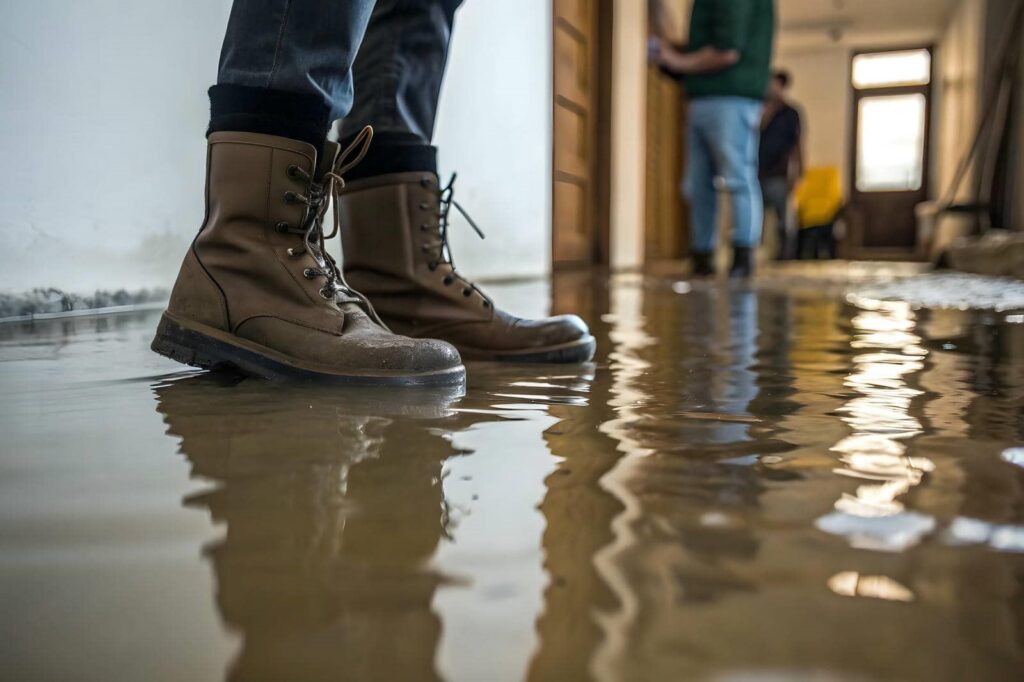
When you encounter water damage in your home, it’s essential to act swiftly and methodically. Start by identifying the source of the moisture, as this will guide your next steps. Then, assess the severity using a moisture meter to determine how deeply the damage has penetrated. Finally, meticulous documentation can make or break your insurance claim. Understanding these steps can save you time and money, but knowing how to execute them effectively is key.
Key Takeaways
- Inspect plumbing fixtures and appliances for visible moisture or signs of leaks to identify potential water damage sources.
- Use a moisture meter to assess the moisture content in affected materials and gauge damage severity.
- Document all affected areas with clear photos and notes for insurance claims and future reference.
- Act quickly to mitigate further damage and reduce the risk of mold growth by addressing leaks and water exposure promptly.
- Understand your insurance policy to differentiate between covered and non-covered damages, ensuring you have necessary documentation for claims.
How to Identify the Source of Water Damage
How can you pinpoint the source of water damage in your home? Start with leak detection methods, like inspecting plumbing fixtures and appliances for signs of moisture. Check under sinks and around toilets, as these areas often harbor hidden leaks.
Next, utilize moisture mapping techniques to identify affected areas. This involves using specialized tools that measure humidity levels, helping you visualize moisture spread. Pay attention to walls, ceilings, and floors, as water can travel far from its origin.
Look for discoloration, warping, or peeling paint, which can signal hidden damage. By combining these techniques, you’ll gain a clearer understanding of where the problem lies, allowing you to take appropriate action to protect your home.
How to Measure Water Damage Severity
Once you’ve identified the source of water damage, the next step involves evaluating its severity. Start by determining the water type: clean, gray, or black. Clean water poses minimal risk, while gray and black water can lead to serious health issues.
Next, assess the damage duration; the longer water sits, the more extensive the damage becomes. Look for signs like discoloration, warping, or mold growth, which can indicate deeper structural issues.
Use a moisture meter to measure the moisture content in affected materials, providing a clearer picture of the damage. By understanding both the water type and damage duration, you can gauge the extent of the problem and take appropriate action to mitigate further risks.
What to Document for Your Insurance Claim?
Documenting your water damage for an insurance claim is crucial, and there are several key elements you need to capture.
Start by taking clear photos of all affected areas, including furniture, walls, and flooring. Make certain to document the extent of the damage and any standing water.
Keep records of any repairs or mitigation efforts, along with receipts, as these will strengthen your claim documentation.
Note the date and time of the incident, and if possible, obtain a report from a water damage professional.
Review your insurance policy to ensure you understand your coverage.
This thorough documentation will help you navigate the claims process more smoothly and increase your chances of a successful outcome.
Frequently Asked Questions
How Can I Prevent Future Water Damage in My Home?
To prevent future water damage, install effective drainage solutions and schedule regular plumbing maintenance. Confirm gutters are clear, check for leaks, and inspect pipes periodically. Taking these steps can protect your home and provide peace of mind.
What Are the Signs of Mold Growth After Water Damage?
Look for musty odors, discoloration on surfaces, or increased allergy symptoms. Acting quickly can prevent serious health issues and costly repairs.
Should I Hire a Professional for Water Damage Assessment?
Yes, you should hire a professional for water damage assessment. While DIY assessments might save costs initially, experts identify hidden issues, ensuring thorough restoration and long-term savings, ultimately safeguarding your home and peace of mind.
What Temporary Measures Can I Take Before Repairs Begin?
You can implement temporary solutions like using towels to soak up excess water and setting up fans for airflow. For emergency repairs, consider covering damaged areas with plastic sheeting to prevent further moisture intrusion until professionals arrive.
How Long Does It Take for Water Damage to Become Serious?
In just 24 to 48 hours, water damage can escalate considerably. Humidity levels, material types, and the source of water all influence the water damage timeline, making prompt action essential to prevent serious issues.
Summary
Effectively evaluating water damage is essential for timely remediation. By identifying the source, measuring severity, and meticulously documenting everything, you’re protecting your home, and ensuring a smoother insurance process. Isn’t it worth investing the time to prevent further complications? Remember, early detection and thorough documentation can save you from extensive repairs and costly claims down the line. Stay vigilant and proactive to safeguard your property against water damage.