
7 Critical Steps to Take Immediately After a House Fire
A house fire is one of the most devastating experiences a Twin Cities homeowner can face. Beyond the emotional toll, you’re suddenly forced to make urgent decisions to protect your fire-damaged property from further harm. Knowing what to do in the days after a fire will secure your finances and help you speed up the recovery process for your home. In this blog, we’ll explore 7 critical steps that Twin Cities homeowners can take immediately after a house fire.
Step 1: Prioritize Your Health & Safety
There are so many things to do in the aftermath of a house fire, but your first priority should be protecting yourself and your family. If needed, seek medical attention for burns, smoke inhalation, nausea, dizziness, or breathing issues. Your symptoms may seem minor, but taking action early can prevent more serious health problems down the line.
Even if the fire was quickly contained, do not re-enter your home until firefighters tell you that it is safe to do so. Fires can cause hidden structural damage that may lead to weakened floors suddenly collapsing. Other post-fire dangers may include falling debris, exposed wiring, and toxic smoke and soot.
Step 2: Contact Your Insurance Provider
As soon as you’re sure the fire has been put out and everyone is safe, it’s time to contact your homeowner’s insurance provider to begin the claims process. Get a claim number and keep written records of every conversation to ensure the best possible outcome. The faster your claim is opened, the sooner inspections, cleanup, and fire damage restoration can begin.
You may want to ask your insurance company what emergency repairs are allowed before inspection. It’s also wise to ask about approved fire damage restoration contractors in the Twin Cities, and about temporary housing options if needed.
Step 3: Prevent Further Damage
Beyond the initial damage caused by a fire, homes often suffer additional damage from openings created by the blaze, such as broken windows or cracks in the roof. If your fire-damaged home in the Twin Cities has large uncovered openings, it’ll be vulnerable to weather damage and vandalism. To prevent this from happening, board up broken windows, doors, and roof openings.
In addition, fence off damaged areas as needed and shut off any utilities that haven’t been disconnected. Many insurance policies require homeowners to take reasonable steps to prevent additional loss, so this step secures both safety and financial protection.
Step 4: Document All Damage
Before major fire damage cleanup and repair efforts begin, document all of the damage your property sustained during the fire. Take clear photos and videos of all affected rooms, structures, and belongings. Make a written inventory of all fire-damaged items, noting their estimated value. You should also save receipts for any expenses related to lodging, meals, or emergency repairs during this time. Strong documentation can make a significant difference in the success and speed of your house fire insurance claim.
Step 5: Work With a Professional Fire Damage Restoration Contractor
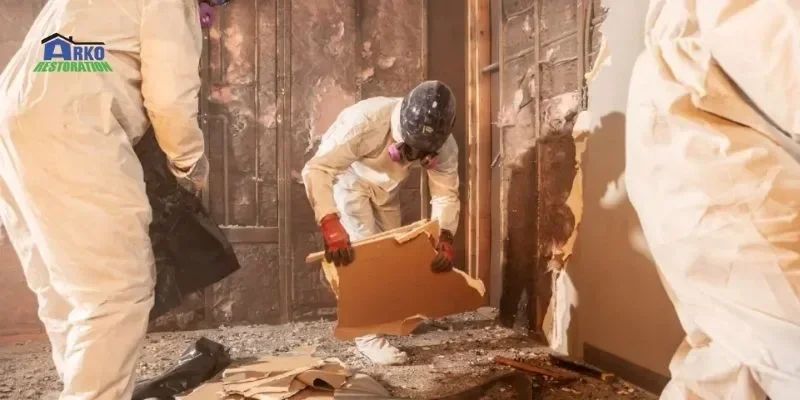
Partnering with a professional fire damage restoration contractor in the Twin Cities is one of the most critical steps to take after a house fire. Experienced fire damage restoration teams use specialized equipment and certified techniques that homeowners don’t have access to. These specialists can:
- Conduct a full safety and structural assessment of your fire-damaged home
- Provide emergency board-up to secure your property
- Remove smoke, soot, and lingering odor from your home
- Dry and dehumidify your house to prevent mold
- Clean, restore, and inventory salvageable contents
- Coordinate documentation directly with your insurance adjuster
- Create and follow a clear plan for fire damage repair and restoration
When choosing a Twin Cities fire damage restoration contractor, look for licensed and insured providers with 24/7 emergency response and IICRC certification. Make sure they have experience with local building codes and insurance claims as well.
Step 6: Protect Salvageable Items
Depending on the severity of your house fire, damage may be widespread or mostly confined to one room. Once it is deemed safe to do so, retrieve any important documents, medications, and valuables from your home and move them to a clean, dry location. Fire damage restoration professionals have specialized cleaning techniques that can often save clothing, furniture, electronics, and sentimental items which aren’t too severely damaged.
Step 7: Temporary Housing & Emotional Support
After a house fire, the damage and health hazards will often be severe enough to render the home uninhabitable for a prolonged period of time. Most homeowner policies include loss-of-use coverage that helps pay for hotels or rentals, as well as additional living expenses.
As you take steps toward restoring your home after a fire, you may want to seek counseling to cope with the trauma of such a terrible event. Recovery after a destructive fire is often an emotional process as well as a physical one.
Choose the Right Fire Damage Restoration Team in the Twin Cities
After you’ve suffered a house fire, choose the right team of professionals to aid with every step of the recovery and restoration process. Contact Arko Restoration today if you’re in need of residential fire damage restoration services in the greater Twin Cities area!