
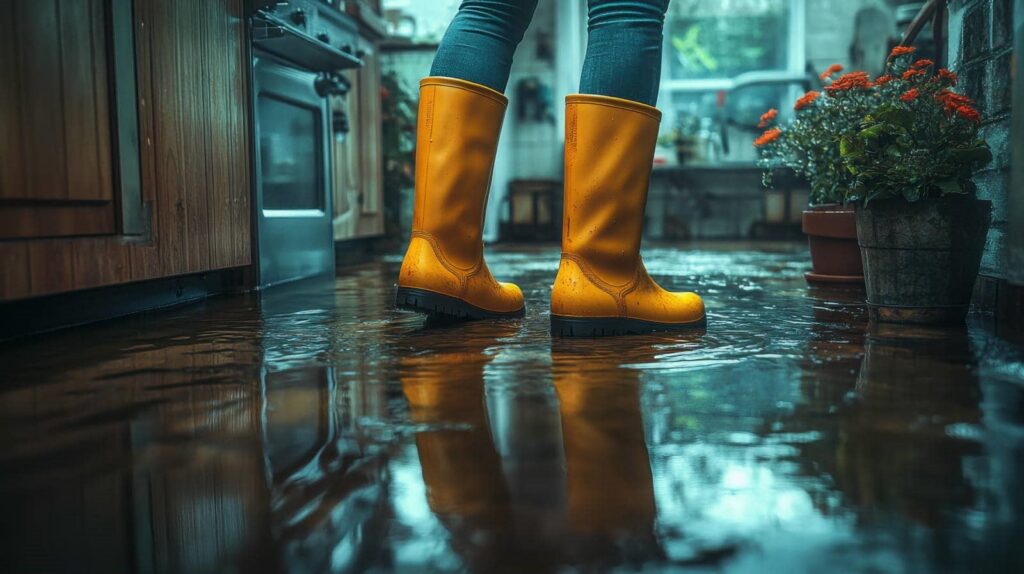
When faced with water damage, your response can greatly influence recovery. You need a structured approach that includes a thorough assessment and effective evaluation techniques. From developing a water damage response plan to utilizing moisture meters and thermal imaging, each step plays a critical role. Understanding how to identify hidden threats and prioritize repairs ensures safety and efficiency. Let’s explore essential practices that can guide your emergency response and help protect your property.
Key Takeaways
- Establish a comprehensive water damage response plan that includes emergency contacts and communication protocols for effective crisis management.
- Conduct an initial assessment to document visible damage, odors, and potential electrical hazards for accurate insurance claims and future prevention.
- Utilize moisture meters and hygrometers to measure moisture levels and humidity, identifying patterns that indicate potential mold growth.
- Employ thermal imaging to detect hidden leaks and assess structural integrity, ensuring safety and targeted repairs.
- Develop a recovery plan prioritizing prevention and timely communication, and know when to call in specialists for extensive damage.
Creating a Water Damage Response Plan
When disaster strikes and water damage occurs, having a well-structured response plan is essential for minimizing losses.
Start by evaluating your water damage preparedness; identify potential risks in your home or business. Create an emergency contact list, including local restoration services, plumbers, and insurance agents. Ensure everyone in your household or workplace knows this list and understands their roles during an emergency.
Next, establish a clear communication protocol to keep everyone informed. Regularly review and practice your plan, so everyone feels confident when a crisis hits.
Finally, consider investing in water detection devices to provide early warnings, further enhancing your preparedness.
With a solid response plan, you’ll foster a sense of security and belonging in your community.
Initial Water Damage Assessment: Key Signs to Identify
Identifying key signs of water damage quickly can greatly reduce repair costs and prevent further complications.
Look for visible signs like discoloration on walls or ceilings, which may indicate leaks. Check for furniture damage; warped wood or peeling finishes signal prolonged exposure to moisture.
Don’t overlook musty odors, as they often point to hidden mold growth, a serious health concern.
Additionally, inspect electrical systems for hazards. Water near outlets or appliances can create dangerous conditions, leading to potential shocks or fires.
Using Moisture Meters Effectively
How can you ensure accurate readings when using moisture meters? First, make certain your moisture meter calibration is up-to-date. Regular calibration checks help maintain accuracy, allowing you to trust your results.
When taking measurements, focus on the material type; different surfaces can yield varying moisture levels. Proper moisture level interpretation is essential—understanding the acceptable ranges for each material helps you make informed decisions.
Always take multiple readings across the affected area to identify patterns or anomalies. Remember to account for environmental factors like temperature and humidity, as they can influence the readings.
Detecting Hidden Water Intrusions With Thermal Imaging
While many traditional methods may struggle to pinpoint hidden water intrusions, thermal imaging provides a powerful solution. This technique allows you to detect temperature variations caused by moisture, making it easier to identify hidden leaks behind walls or under floors.
By using a thermal imaging camera, you can visualize areas with potential water damage that might go unnoticed with the naked eye.
The thermal imaging benefits extend beyond simple detection; it helps you assess the severity of water damage, enabling more targeted repairs. You’ll feel confident knowing you can address issues before they escalate, protecting your property and investment.
Embracing this technology can ensure your environment remains safe and dry, fostering a sense of community and support in managing water damage efficiently.
Visual Inspection Checklist for Each Room
When evaluating water damage, start with a visual inspection checklist tailored for each room.
Look for room-specific damage indicators, identify common moisture sources, and perform structural integrity checks to ensure safety.
This systematic approach helps you pinpoint issues quickly and effectively.
Room-Specific Damage Indicators
Effective evaluation of water damage in different rooms requires a thorough visual inspection checklist tailored to each specific area. Here’s what you should focus on:
Living Room: Check for furniture effects, ceiling stains, and wall discoloration that indicate high moisture levels.
Kitchen: Look for plumbing leaks and flooring damage around sinks and appliances.
Bathroom: Inspect for insulation issues and ventilation problems, as these can exacerbate moisture retention.
Basement: Be alert for electrical risks, especially near outlets, and observe for any signs of mold growth.
Common Moisture Sources
Identifying common moisture sources is vital for effective water damage evaluation in any room. Start by checking for leaky pipes, which often hide behind walls or under sinks.
Look for roof leaks that may cause water stains on ceilings. Inspect appliances like washing machines and refrigerators for failures that could lead to spills.
Be vigilant about plumbing backups, especially in bathrooms and kitchens, as they can rapidly escalate into flooding events. Groundwater intrusion is another concern; make sure basements are dry and free from seepage.
Don’t overlook condensation issues on windows and walls, which can indicate poor ventilation. Finally, assess any signs of weather-related damage, as storms can create unexpected moisture problems.
Structural Integrity Checks
While evaluating structural integrity during water damage evaluation, you’ll want to conduct a thorough visual inspection in each room. This is essential for effective structural assessments and integrity testing.
Follow this checklist to ensure you cover all bases:
Check for sagging ceilings or floors – Look for any visible dips or irregularities.
Inspect walls for cracks – Pay special attention to corner areas and around windows.
Examine door and window frames – Confirm they open and close properly; misalignment can indicate underlying issues.
Look for signs of mold or mildew – These can compromise structural integrity and signal prolonged moisture exposure.
How to Evaluate Structural Safety After Water Damage
After experiencing water damage, evaluating structural safety is vital to confirm the integrity of your property.
Start by inspecting the foundation for cracks or shifts, as these can indicate compromised foundation stability.
Next, check load-bearing walls and beams for any signs of warping or damage; this is essential for maintaining overall structural integrity.
Use a level to verify floors are even, as uneven surfaces may signal deeper issues.
If you notice significant problems, it’s wise to consult a structural engineer for a professional assessment. They can provide insights into necessary repairs and help you understand the load-bearing capacity of your structure.
Prioritizing these evaluations ensures your home remains a safe and secure place for you and your family.
Checking Air Quality for Mold and Other Risks
After water damage, checking air quality is essential for identifying mold and other potential risks.
You can use various mold detection techniques, such as visual inspections and air sampling, to assess the situation effectively.
Additionally, employing air quality testing methods helps quantify contaminants and determine necessary remediation steps.
Mold Detection Techniques
When evaluating air quality for mold and other risks, utilizing effective detection techniques is essential to safeguarding health.
Mold growth can lead to serious health issues, so implementing the right prevention strategies is vital. Here are four techniques you can use for mold detection:
Visual Inspection: Look for visible signs of mold on walls, ceilings, and hidden areas.
Moisture Meter: Use a moisture meter to identify damp areas that foster mold growth.
Air Sampling: Collect air samples to analyze the presence of mold spores in your environment.
Odor Detection: Trust your nose; musty smells often indicate hidden mold.
Air Quality Testing Methods
To ensure a safe environment, it’s essential to regularly assess air quality for mold and other contaminants.
Start by measuring humidity levels; ideally, they should stay below 60%. High humidity can promote mold growth and increase airborne contaminants. Use a hygrometer to get accurate readings.
Next, employ air sampling methods, like spore traps or bioaerosol samplers, to identify specific mold spores and other pollutants in your space. These tests can reveal problematic airborne contaminants that mightn’t be visible.
Finally, consider using a professional service for thorough analysis and remediation recommendations.
Why Accurate Damage Documentation Matters
Accurate damage documentation is vital for effective water damage assessment and mitigation. When you document thoroughly, you clarify the situation and pave the way for successful recovery. Here’s why documentation matters:
Insurance Claims: Precise records support your claims, ensuring you receive the coverage you deserve.
Assessment Accuracy: Detailed documentation helps identify all affected areas, improving overall damage assessment.
Future Prevention: Thorough records provide insights for preventive measures, reducing future risks.
Legal Protection: In disputes, solid documentation acts as essential evidence, safeguarding your interests.
Understanding the documentation importance enables you to navigate recovery effectively, fostering a sense of community and support among those facing similar challenges.
Steps to Develop an Effective Water Damage Recovery Plan
Developing an effective water damage recovery plan requires a structured approach that addresses immediate needs while considering long-term solutions.
Start by evaluating the extent of the damage and documenting everything meticulously. Next, prioritize water damage prevention measures, such as sealing leaks and improving drainage systems, to avoid future issues.
Establish a clear recovery timeline that outlines each step, from initial cleanup to restoration, ensuring everyone involved knows their roles. Communicate regularly with your team to keep everyone on the same page and adjust the plan as needed.
Finally, evaluate the effectiveness of your recovery plan post-restoration, making necessary adjustments for future incidents. This proactive mindset fosters a sense of community and preparedness.
When to Call in Water Damage Specialists?
How can you determine when it’s time to call in water damage specialists? Recognizing the right moment can save you from costly repairs and potential health hazards. Here are key indicators to evaluate:
Extent of Damage: If water has affected multiple rooms or structural components.
Mold Presence: If you notice mold growth within 24-48 hours, it’s vital to act fast.
Water Damage Insurance: If your policy covers professional cleanup, it’s wise to utilize that resource.
Emergency Response: When the situation escalates beyond your control, specialists provide the expertise needed.
Don’t hesitate to reach out for help.
Prompt action will preserve your property and ensure a healthier living environment.
Frequently Asked Questions
What Are Common Sources of Water Damage in Homes?
Common sources of water damage in homes include leaky roofs, broken pipes, flooded basements, appliance failures, plumbing issues, groundwater intrusion, and condensation problems, often exacerbated by natural disasters. Stay vigilant to protect your home.
How Can I Prevent Future Water Damage?
Imagine a vigilant gardener; you’ve got to nurture your home too. Install water detection systems and use moisture monitoring tools regularly. They’ll help you catch leaks early, preventing future water damage before it takes root.
What Insurance Covers Water Damage Repairs?
Your homeowner’s insurance policy typically covers water damage claims, but specifics vary. Check for exclusions, like flood damage, and consider additional coverage if necessary. Understanding your policy ensures you’re prepared for unexpected repairs and expenses.
How Long Does Water Damage Restoration Take?
Water damage restoration typically takes 3 to 7 days, depending on the extent of damage. The water damage timeline includes assessment, drying, repairs, and final inspections, ensuring your space is safe and restored effectively.
Are DIY Repairs Effective for Minor Water Damage?
DIY repairs can be effective for minor water damage. Conduct a moisture detection assessment, choose appropriate repair materials, and apply DIY techniques carefully to ensure lasting results. Always evaluate effectiveness to avoid future issues.
Wrap-Up
In the end, you might think ignoring water damage is a clever strategy, but that’ll only drown your efforts. Proactive evaluation techniques safeguard your property and your peace of mind. By prioritizing assessments and recovery plans, you’re not just reacting to water issues; you’re preemptively building a healthier living space. So, while it seems tempting to wait it out, remember: the real irony lies in letting a small leak become a monumental disaster.