
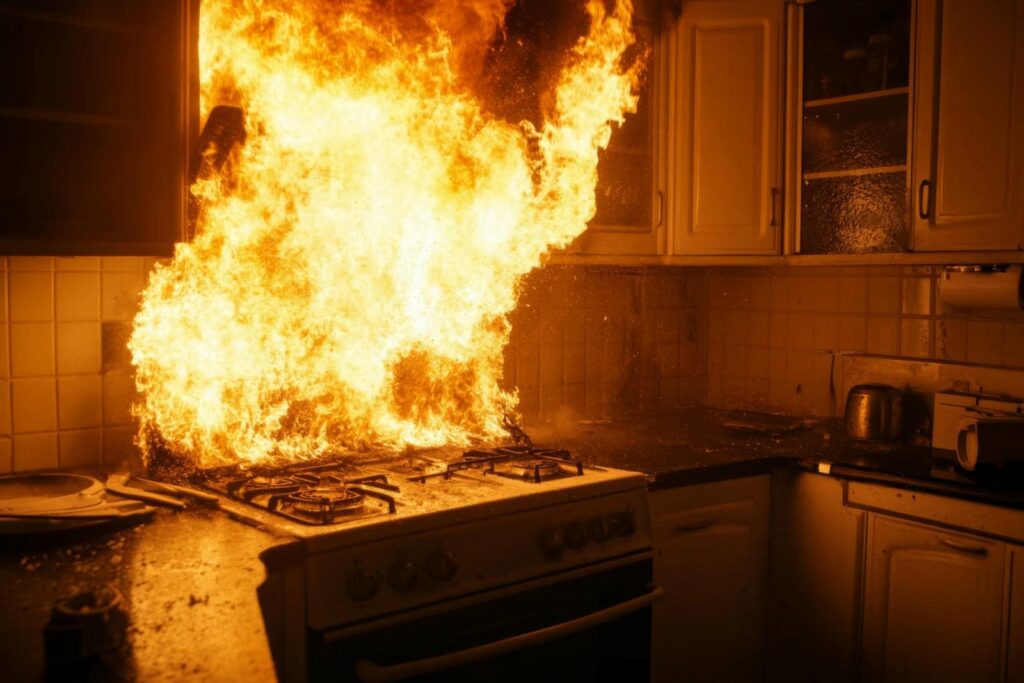
When tackling fire and smoke restoration, having the right tools at your disposal is vital. You’ll need heavy-duty gloves and masks for personal protection, alongside high-capacity HEPA vacuums to effectively eliminate soot and particulates. Moisture meters help evaluate water damage, while specialized chemical agents work to neutralize lingering smoke odors. Understanding the essential equipment can greatly influence the restoration process, but there’s much more to take into account to ensure a thorough recovery.
Key Takeaways
- Use HEPA vacuums to effectively capture fine soot particles and improve indoor air quality post-fire.
- Employ moisture meters to accurately assess and monitor water damage in fire-affected areas.
- Utilize air scrubbers with activated carbon filters to purify the air and eliminate smoke odors.
- Implement alkaline and foam cleaners specifically designed for efficient soot removal from various surfaces.
- Ensure protective gear, like respirators and fire-resistant suits, to safeguard restoration professionals during cleanup.
Essential Tools You Need for Fire and Smoke Restoration
When tackling fire and smoke restoration, having the right tools at your disposal can make all the difference in efficiency and effectiveness.
To address fire damage, you’ll need a variety of essential items. Start with heavy-duty gloves and masks to protect yourself from hazardous residues and smoke odor. A high-capacity vacuum with HEPA filters is essential for removing soot and particulates.
Don’t forget moisture meters to assess water damage, as fires often lead to that issue too. Chemical agents designed for smoke damage can neutralize odors effectively.
Finally, invest in an air scrubber with activated carbon filters to purify the air and eliminate lingering smoke odors. Each of these tools plays an important role in restoring affected spaces safely and thoroughly.
Cleaning Equipment for Smoke Damage Removal
To effectively remove smoke damage, you’ll need specialized cleaning equipment designed to tackle the unique challenges posed by soot and odors.
Start with a high-efficiency particulate air (HEPA) vacuum to capture fine soot particles, ensuring your space is clean. For deeper cleaning, use an alkaline cleaner specifically formulated for soot removal; this helps neutralize smoke odor effectively.
Additionally, foam cleaners can be beneficial for porous surfaces, while wet/dry vacuums can assist in removing debris and moisture.
Odor neutralizers, like ozone generators or air scrubbers, will help eliminate persistent smoke odors.
Having the right tools speeds up the restoration process and ensures a thorough job, creating a healthier environment for you and your loved ones.
What Technology Helps Assess Fire and Smoke Damage?
Evaluating fire and smoke damage requires precise technology to ensure thorough evaluation and effective restoration.
Utilizing the right restoration technology is vital for accurate damage assessment. Here are four essential tools that can aid in this process:
Thermal Imaging Cameras: Detect hidden heat sources and moisture levels within walls and ceilings.
Moisture Meters: Measure the moisture content in materials, helping identify areas needing drying.
Air Quality Monitors: Assess indoor air quality by measuring harmful particulates and gases resulting from smoke.
Odor Removal Technology: Utilize advanced filtration systems to eliminate lingering smoke odors effectively.
Choose Protective Gear for Restoration Professionals
After evaluating fire and smoke damage, the next step is confirming that restoration professionals are adequately protected. Selecting the right protective gear is vital for safety and health during restoration work. You’ll want to prioritize gear that meets industry standards and fits well.
| Gear Type | Key Features | Maintenance Tips |
|---|---|---|
| Respirators | HEPA filters, snug fit | Regular cleaning |
| Fire-resistant suits | Lightweight, durable | Inspect for damage |
| Safety goggles | Anti-fog, impact-resistant | Replace if scratched |
Don’t forget the importance of safety training; it’s necessary for understanding how to properly use and maintain your gear. Regular gear maintenance ensures you stay protected and effective on the job.
Supplies for Post-Restoration Maintenance
Post-restoration maintenance is vital for ensuring that properties remain safe and habitable after fire and smoke damage.
To effectively manage this process, you’ll need specific restoration supplies and a detailed maintenance checklist. Here are four important items to take into account:
Air Purifiers: These help eliminate lingering smoke odors and improve air quality.
Dehumidifiers: Vital for reducing moisture levels and preventing mold growth after restoration.
Cleaning Solutions: Use specialized products designed for smoke and soot removal on various surfaces.
Protective Coatings: Apply these to surfaces to shield against future damage and ensure longevity.
Frequently Asked Questions
How Long Does Fire and Smoke Restoration Typically Take?
Fire and smoke restoration typically takes one to three weeks, depending on the extent of damage. You’ll first undergo a damage assessment, which helps establish a precise restoration timeline tailored to your specific situation.
Can I Do Fire Restoration Myself, or Should I Hire Professionals?
You can tackle DIY restoration, but it’s often wiser to hire professional services. They possess specialized equipment and expertise, ensuring thorough cleanup and safety, which can be essential for returning your space to normal.
What Are the Health Risks Associated With Smoke Damage?
Smoke damage poses serious health risks, including respiratory issues and long-term effects from smoke inhalation. You might experience headaches, eye irritation, or even chronic conditions, emphasizing the importance of addressing smoke-related hazards promptly and effectively.
How Do I File an Insurance Claim for Fire Damage?
To file your insurance claim for fire damage, gather necessary documentation, including photos and receipts. Follow the claims process overview provided by your insurer, and use these insurance documentation tips to strengthen your submission.
What Should I Do Immediately After a Fire?
After a fire, prioritize safety. Evacuate the area, call emergency services, and avoid inhaling smoke. Document damages thoroughly for insurance. Remember, your immediate response can safeguard not just property, but lives too.
Final Thoughts
In the battle against fire and smoke damage, equipping yourself with the right tools is your armor. Just as Odysseus navigated treacherous waters, you’ll want to wield heavy-duty gloves, HEPA vacuums, and air scrubbers to reclaim your space. Don’t forget protective gear to shield yourself from hazards. With these essential supplies, you’re not just restoring a home; you’re reclaiming a sanctuary. Ready your toolkit, and let the restoration journey begin.