
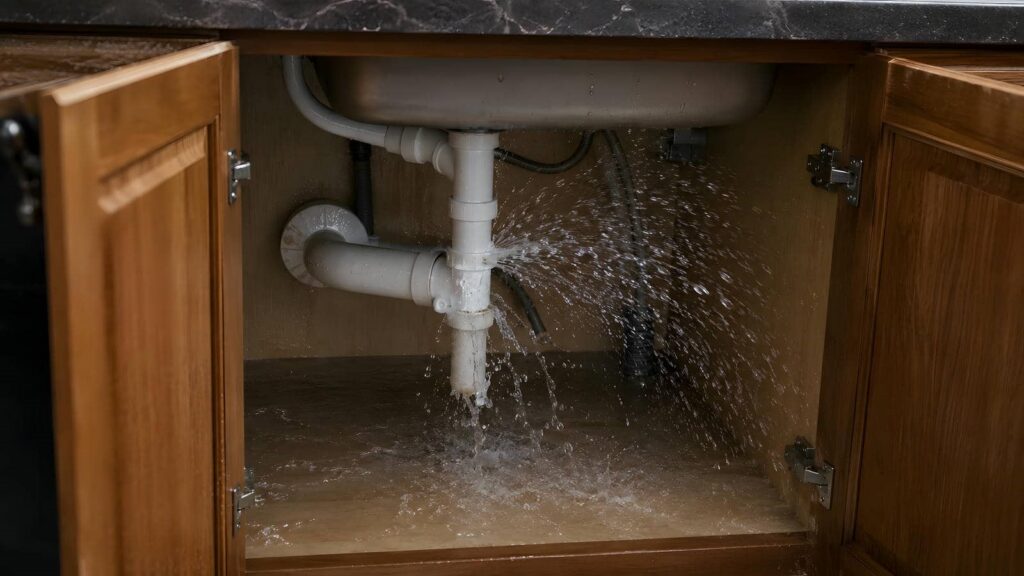
When a burst pipe strikes, quick action is essential to minimize damage and costs. You can take immediate steps, like shutting off the water supply and using fans to dry the area. However, knowing which DIY fixes are effective can save you time and money. As you assess your situation, consider what materials and tools you’ll need for repairs. Understanding your options will help you make informed decisions moving forward.
Key Takeaways
- Turn Off Water Supply Immediately: Shutting off the water minimizes damage and prevents further issues from the burst pipe.
- Use Affordable Repair Materials: Opt for budget-friendly options like PVC pipes, silicone sealants, and patching compounds for effective repairs.
- Dry the Area Thoroughly: Utilize fans and dehumidifiers to eliminate moisture and prevent mold growth after addressing the leak.
- Identify and Fix Leaks Promptly: Address the source of the leak quickly to mitigate damage and avoid costly repairs later.
- Explore Community Resources: Look for local grants and support initiatives that may assist with emergency repairs and financial aid.
Immediate Steps to Take After a Burst Pipe
When a pipe bursts, your first instinct should be to act quickly. Turn off the water supply immediately to minimize damage.
Next, drain the remaining water from the pipes by opening faucets. Use towels or a wet vacuum to soak up excess water in the affected area.
If you have emergency preparedness measures in place, check your supplies for items like a water-absorbent mat. Consider installing pipe insulation in vulnerable areas to prevent future bursts.
After addressing the immediate crisis, assess the damage and document it for insurance claims.
Budget-Friendly DIY Fixes for Small Water Damage
Although small water damage might seem manageable, addressing it promptly can prevent more significant issues down the line.
With some basic DIY repair techniques and cost-effective tools, you can tackle minor damage yourself.
Identify the Source: Always locate and fix the leak before starting repairs.
Dry the Area: Use fans and dehumidifiers to eliminate moisture, preventing mold growth.
Patch and Paint: For damaged drywall, use a patching compound and sand it smooth before repainting.
These straightforward steps empower you to restore your space while saving money.
When Should You Call in the Pros for Water Damage?
Small water damage can often be managed with DIY repairs, but there are situations where professional help is necessary. Knowing when to call in the pros can save you time, money, and further damage.
| Signs to Call Professionals | Actions to Take |
|---|---|
| Extensive water pooling | Get a water damage assessment |
| Mold growth | Seek professional consultation |
| Structural damage | Contact a restoration service |
| Persistent leaks | Schedule immediate inspection |
If you notice any of these issues, don’t hesitate. A thorough water damage assessment by experts ensures you tackle the problem effectively. Their experience helps prevent long-term complications, making your home safe and secure again. Trust their guidance to restore your space.
How Insurance Covers Burst Pipe Water Damage
Understanding how your insurance covers burst pipe water damage is vital for managing costs.
You’ll need to review your policy coverage limits, navigate the claim process, and be aware of common exclusions that could impact your reimbursement.
Let’s break down these essential points to ensure you’re prepared.
Policy Coverage Limits Explained
When a burst pipe causes water damage, knowing your insurance policy’s coverage limits can greatly impact your recovery process. Understanding the policy implications and available coverage options ensures you’re prepared for unexpected expenses.
Here are key factors to assess:
Coverage Type: Determine if your policy includes replacement cost or actual cash value for repairs.
Deductibles: Be aware of how much you’ll need to pay out-of-pocket before your coverage kicks in.
Limitations: Check for caps on specific types of water damage, as not all policies cover the same risks.
Being informed about these elements helps you make strategic decisions, enhancing your ability to navigate the aftermath of water damage effectively.
Claim Process Steps
Filing a claim for burst pipe water damage can feel overwhelming, but knowing the steps involved helps streamline the process.
First, gather all necessary claim documentation, including photos of the damage, repair estimates, and any relevant invoices. Submit these documents to your insurance company promptly.
Next, be prepared for an insurance adjuster to assess the damage; their report will play an essential role in your claim.
During insurance negotiation, remain clear about your needs and expectations. Follow up regularly to ensure your claim is progressing.
Finally, keep records of all communications for future reference. By staying organized and proactive, you can navigate the claim process more smoothly and secure the support you need.
Common Exclusions Noted
While your insurance policy may cover burst pipe water damage, it often comes with specific exclusions that can impact your claim. Understanding these exclusion types will help you navigate your coverage effectively.
Gradual Damage: Damage that occurs over time, like slow leaks, may not be covered.
Lack of Maintenance: If you didn’t maintain your plumbing, insurers might deny your claim.
Policy Limits: Be aware of the maximum payout; it could fall short of your repair costs.
Familiarizing yourself with these exclusions ensures you’re prepared for any potential pitfalls.
Always review your policy thoroughly to avoid surprises when you need to file a claim. Being proactive can save you time and stress in the long run.
Cheap Materials for Quick Repairs
When a pipe bursts, quick repairs are essential, and using cheap materials can save you money.
Consider PVC pipe options for easy replacements, affordable sealants for immediate fixes, and budget-friendly insulation materials to prevent future issues.
These choices minimize costs while ensuring efficient and effective repairs.
PVC Pipe Options
If you’re facing burst pipe water damage, PVC pipe options offer a cost-effective solution for quick repairs.
These materials are affordable and easy to work with, making them ideal for immediate fixes.
Here are some popular PVC pipe types you might consider:
Schedule 40 PVC: Commonly used for residential plumbing, it’s durable and widely available.
Schedule 80 PVC: Thicker walls provide added strength, perfect for high-pressure applications.
PVC Flex Pipe: Offers flexibility for tight spaces, ideal for tricky installations.
For successful PVC pipe installation, verify you measure accurately and use proper fittings.
This approach restores your plumbing and helps you avoid costly repairs down the line.
Affordable Sealant Choices
In the aftermath of burst pipe water damage, choosing the right sealant can make all the difference in your repair efforts. Several affordable sealant types are available, including silicone, epoxy, and polyurethane, each offering unique benefits for quick fixes.
Silicone works well for flexible joints, while epoxy provides a strong bond for structural repairs.
When applying these sealants, ensure the surface is clean and dry. Use a caulking gun for even application and smooth the sealant with a finger or a tool for a neat finish.
Budget-Friendly Insulation Materials
After dealing with burst pipe water damage, selecting budget-friendly insulation materials is essential for effective repairs.
Using affordable options helps you save money while enhancing your home’s energy efficiency.
Here are three materials to contemplate:
Fiberglass Batts: Inexpensive and easy to install, providing decent insulation benefits.
Foam Board: Offers superior thermal resistance and can be cut to fit tight spaces.
Reflective Radiant Barrier: Ideal for attics, this product reflects heat away, improving overall energy savings.
Choosing the right insulation materials can greatly reduce your energy bills while ensuring a comfortable living environment.
Long-Term Solutions to Prevent Future Burst Pipes
While you can address immediate water damage from burst pipes, implementing long-term solutions is vital to prevent future incidents.
Start with pipe insulation to improve temperature regulation in vulnerable areas. Regular maintenance is important; schedule seasonal checks and plumbing audits to identify potential issues early.
Pressure monitoring can alert you to fluctuations that might lead to bursts, allowing for timely interventions. Consider material upgrades to more durable pipes that withstand extreme conditions.
Additionally, make sure your home has freeze protection measures in place, especially in colder months.
Identifying Water Damage Early
To protect your home from burst pipe damage, it’s essential to identify water damage early.
Look for signs like discoloration, mold growth, or unusual dampness, and be aware of common causes such as leaks or condensation.
Quick action can prevent further issues and save you money on repairs.
Signs of Water Damage
Water damage can be insidious, often manifesting in subtle signs before it escalates into a major problem.
Recognizing these early indicators can save you time and money down the line.
Look for these telltale signs:
- Water stains on ceilings or walls, often leading to ceiling leaks.
- Musty odors that signal potential mold growth or mildew presence.
- Peeling paint or swollen drywall, which can indicate long-term moisture issues.
Ignoring these signs can result in significant flooring damage and extensive repairs.
Stay vigilant and address water damage early to protect your home and ensure a safe living environment.
Common Causes to Watch
Identifying the common causes of water damage early can prevent minor issues from escalating into costly repairs. Here are some key factors to monitor:
| Common Causes | Details |
|---|---|
| Frozen Pipes | Ice can block flow, causing cracks. |
| Pressure Buildup | Excessive pressure may lead to leaks. |
| Pipe Corrosion | Rust weakens pipes over time. |
| Poor Insulation | Inadequate protection invites damage. |
| Aging Plumbing | Older systems are more prone to fail. |
| Temperature Fluctuations | Rapid changes stress pipes. |
| Improper Installation | Incorrect setups can lead to leaks. |
| Tree Roots | Roots can infiltrate and crack pipes. |
Importance of Quick Action
When you spot signs of water damage early, you can greatly reduce repair costs and avoid extensive damage to your home.
Quick action is essential for effective water damage prevention and emergency preparedness. Delaying repairs can lead to mold growth, structural issues, and higher expenses down the line.
Here are key steps to take when you notice water damage:
- Identify the source: Locate where the water is coming from to prevent further issues.
- Document the damage: Take photos and notes for insurance purposes.
- Contact professionals: Engage with water damage experts to assess and remediate the situation.
Community Resources for Financial Assistance
Various community resources can provide essential financial assistance for those facing the aftermath of burst pipe damage. Consider applying for community grants aimed at home repairs or accessing local charities that offer financial aid.
Many assistance programs are available, specifically designed to support residents in urgent need. You might also explore emergency funds provided by nonprofit resources, which can help cover immediate expenses.
Repair subsidies are often part of municipal support initiatives, made to assist homeowners like you. Don’t hesitate to reach out to local organizations; they can guide you toward the right resources.
Tips for Maintaining Your Pipes
To prevent the costly consequences of burst pipes, regular maintenance is essential. Implementing a few key strategies will help you maintain ideal plumbing health:
Install pipe insulation to protect against temperature extremes, especially during winter.
Conduct routine inspections to identify any leaks early, utilizing effective leak detection methods.
Regulate water pressure to avoid stress on your pipes, which can lead to premature failure.
Additionally, consider seasonal maintenance to adapt to varying conditions and invest in plumbing upgrades for enhanced durability.
Keeping an eye on temperature control within your home can also greatly reduce the risk of burst pipes.
Common Mistakes to Avoid After a Burst Pipe
Ignoring immediate actions after a burst pipe can lead to further damage and costly repairs. Avoiding these common mistakes can help you manage the situation effectively:
| Mistake | Consequence |
|---|---|
| Delaying water removal | Increased damage and mold growth |
| Skipping damage assessment | Undetected issues later |
| Ignoring moisture detection | Persistent dampness |
| Not using drying equipment | Prolonged restoration timeline |
| Overlooking pipe inspections | Future leaks and plumbing upgrades |
Always have emergency kits ready and consider proper pipe insulation. Effective repair techniques can minimize damage. Remember, timely actions and professional help can ensure a smoother restoration process, keeping your home safe.
Frequently Asked Questions
How Can I Identify the Source of a Burst Pipe?
To identify a burst pipe, conduct a thorough pipe inspection and utilize leak detection tools. Look for damp spots, unusual sounds, or water pressure drops. These signs can help you pinpoint the source effectively.
What Signs Indicate Mold Growth After Water Damage?
You’ll notice signs of mold growth like musty odors, discoloration on surfaces, or visible spores. Conduct a mold inspection and prioritize moisture control to prevent further infestations and protect your living space from damage.
Can I Use a Hairdryer to Dry Wet Walls?
You can use a hairdryer for wall drying, but ensure hairdryer safety by keeping it at a safe distance. Use it on a low setting to prevent heat damage and promote even drying.
What Personal Items Should I Move to Prevent Water Damage?
To prevent water damage, you should move valuable personal items like electronics, important documents, and sentimental belongings to higher ground. Keeping these safe minimizes risk, ensuring your cherished possessions remain protected from potential harm.
How Quickly Do I Need to Act After a Burst Pipe?
You need to act immediately after a burst pipe. Your emergency response involves shutting off the water supply and taking immediate measures to minimize damage. Quick action can considerably reduce repair costs and restoration time.
Review
In facing burst pipe water damage, taking swift action can save you both time and money. By using affordable materials and DIY fixes, you can restore your space without breaking the bank. Remember, a stitch in time saves nine—addressing issues early prevents bigger headaches later. Stay proactive with regular maintenance and watch for leaks to keep your home safe and dry. With these strategies, you can navigate water damage effectively and efficiently.