
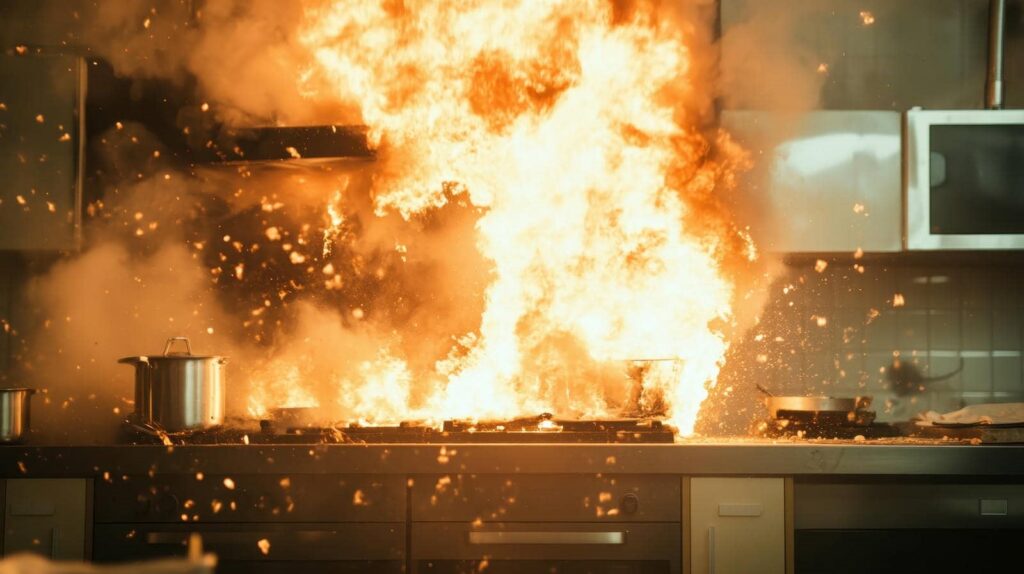
When you face fire and smoke damage, understanding the specific types of damage is vital for effective smoke damage cleanup. You need to assess the extent of the damage while prioritizing safety at every step. Using the right tools and techniques can make a significant difference in your recovery efforts. However, many make critical errors during this process, which can exacerbate the situation. Knowing how to navigate these challenges is essential for restoring your home efficiently.
Key Takeaways
- Identify the type of fire and associated smoke damage to tailor cleaning techniques effectively.
- Assess the damage and health risks, documenting findings for insurance claims.
- Wear protective gear and ensure proper ventilation during cleanup to safeguard health.
- Avoid common mistakes like using inappropriate cleaning agents and delaying cleanup efforts.
- Consult professionals for significant damage or health risks from smoke exposure for effective restoration.
Understanding Fire and Smoke Damage Types
Understanding the types of fire and smoke damage is essential for effective recovery, as each category can greatly impact your restoration strategy. Different fire types—such as electrical, chemical, and grease fires—produce varying smoke behavior and residues.
For instance, electrical fires often generate thick, acrid smoke that can permeate materials, while grease fires yield a greasy residue that’s challenging to clean. Recognizing these differences enables you to tailor your approach effectively.
Smoke can also travel far from its source, affecting areas you mightn’t initially consider. By understanding these nuances, you can implement targeted cleaning and restoration techniques, ensuring a more thorough recovery and reducing long-term damage to your property.
This knowledge fosters a sense of control during an overwhelming time.
How to Assess the Extent of Damage in Your Home?
After a fire, evaluating the extent of damage in your home is essential for effective recovery. Start by identifying damage indicators such as charred materials, discoloration, or a lingering odor of smoke. These signs can help you determine which areas require immediate attention.
Utilize assessment techniques like visual inspections and moisture detection tools to gauge structural integrity and hidden damage. Document your findings with photos and notes, as this will assist in insurance claims and restoration efforts.
Don’t forget to assess the air quality; smoke residue can linger and affect health. By systematically evaluating these factors, you’ll gain a thorough understanding of the damage, allowing for a more targeted and efficient recovery plan.
Safety Precautions Before Starting Cleanup
Before you engage in cleanup, it’s important to prioritize safety to prevent further injury or damage. Here are some vital precautions to take:
Wear Protective Gear: Confirm you’re equipped with gloves, masks, and goggles to shield against harmful particles and chemicals.
Check Ventilation Systems: Open windows and use fans to improve air circulation, reducing smoke inhalation risks.
Keep Fire Extinguishers Accessible: Make certain fire extinguishers are on hand, as unexpected flare-ups can occur during cleanup.
Have Emergency Contacts Ready: Keep a list of emergency contacts, including local authorities and restoration services, to ensure swift action if needed.
Additionally, prioritize personal hygiene and consider safety training to better prepare for future incidents.
Your safety is paramount.
Must-Have Tools for Fire Damage Cleanup
When tackling fire damage cleanup, gathering the right tools can make all the difference in efficiently restoring your space.
Essential cleanup equipment includes industrial vacuums and air scrubbers to remove soot and debris.
Don’t forget your protective gear—gloves, respirators, and goggles are essential for safety.
Effective cleaning chemicals tailored for smoke damage will help break down residues and odors.
Verify you have proper ventilation systems in place to circulate fresh air, which is critical during the cleanup process.
Employing effective restoration techniques, such as moisture control and surface cleaning, can greatly enhance your results.
Finally, conduct a thorough damage evaluation to identify affected areas and prioritize your efforts, ensuring nothing gets overlooked in the restoration journey.
Step-by-Step Guide to Cleaning Fire Damage
Start your fire damage cleanup by evaluating the extent of the damage. Analyzing the situation helps you prioritize your efforts and ensure fire safety.
Here’s a step-by-step guide to follow:
Secure the Area: Make certain the site is safe; turn off utilities if necessary.
Remove Debris: Clear out charred materials and personal belongings to prevent further damage.
Clean Surfaces: Use appropriate cleaning agents to scrub soot and ash from walls and floors.
Check Smoke Detectors: Confirm your smoke detectors are functional, as they’re vital for ongoing safety.
How to Eliminate Smoke Odors
To effectively eliminate smoke odors, you must first identify the source of the smoke.
Once located, use odor neutralizers that specifically target smoke particles for maximum efficacy.
Finally, clean all affected surfaces thoroughly to prevent lingering smells from returning.
Identify Smoke Source First
Identifying the source of smoke is essential for effectively eliminating lingering odors in a fire-damaged space. Start with a thorough damage assessment to pinpoint where the smoke originated. This step aids in restoration techniques and ensures better air quality post-cleanup.
Here’s how you can approach it:
Inspect smoke detection devices: Ensure they’re functioning to prevent future incidents.
Examine items: Look for charred materials or surfaces that absorbed smoke.
Check ventilation systems: Ducts can harbor odors, complicating fire prevention efforts.
Consult your insurance coverage: Understand what’s covered for smoke damage remediation.
Taking these steps helps create a safer, more welcoming environment as you work toward restoring your space.
Use Odor Neutralizers Effectively
How can you effectively eliminate smoke odors after a fire? Start by utilizing proven odor elimination techniques to neutralize lingering smells.
First, identify the areas most affected and apply appropriate neutralizing agents. Activated charcoal and baking soda are excellent for absorbing odors; sprinkle them generously in affected spaces.
Vinegar can also work wonders—mix it with water in a spray bottle and lightly mist surfaces and fabrics.
For persistent odors, consider commercial odor neutralizers specifically designed for smoke damage; these often contain specialized compounds that bond with odor molecules.
Finally, ensure proper ventilation by opening windows and using fans to circulate fresh air, which aids in dissipating residual smells.
Your diligence in these steps will help restore your environment’s comfort.
Clean Surfaces Thoroughly
Begin by thoroughly cleaning all surfaces affected by smoke damage to effectively eliminate lingering odors. Proper surface cleaning is vital for restoring air quality and removing soot.
Follow these steps for effective cleanup:
Assess residue types: Identify soot and smoke residues on various surfaces.
Wear protective gear: Equip yourself with gloves, masks, and goggles to ensure safety.
Use chemical solutions: Apply appropriate cleaning products designed for soot removal, following manufacturer guidelines.
Develop a cleaning schedule: Plan your cleaning sessions to tackle different areas systematically, incorporating drying methods to prevent moisture buildup.
Common Mistakes to Avoid During Cleanup
While maneuvering through the aftermath of fire and smoke damage, it’s vital to steer clear of common pitfalls that can exacerbate the situation. One major mistake is poor cleanup timing; delaying the process can lead to further damage and complicate restoration priorities.
Don’t underestimate the importance of addressing smoke residue promptly, as it can permeate materials and linger long after the flames are extinguished. Additionally, avoid using inappropriate cleaning agents that can worsen damage or create hazardous conditions.
It’s important to prioritize safety—ensure you’re wearing protective gear and ventilating the area. Finally, don’t rush the assessment of damage; a thorough evaluation helps you identify what can be salvaged versus what needs replacement, guiding your cleanup efforts effectively.
When to Hire Fire Damage Restoration Experts?
When you’ve experienced significant fire damage, it’s essential to conduct a thorough damage assessment, which often requires expert insight.
If you notice health risks stemming from smoke exposure, including lingering odors or respiratory issues, it’s time to call in professionals. Their expertise ensures effective restoration and your safety and compliance with health standards.
Extensive Damage Assessment Needed
After a fire incident, evaluating the extent of damage becomes crucial for effective restoration. You’ll want to reflect on whether to hire fire damage restoration experts.
Here are some key factors that indicate the need for professional assistance:
Structural Integrity Assessment: If you suspect the fire compromised the building’s framework, professionals can provide a detailed evaluation.
Damage Evaluation Techniques: Experts utilize advanced tools to identify hidden damage, ensuring no threats are overlooked.
Safety Risks: If hazardous materials like asbestos or lead paint were present, trained professionals are vital for safe removal.
Insurance Claims: Professionals can help document damage accurately, facilitating smoother claims processes.
Taking these steps ensures a thorough restoration, allowing you to reclaim your space with confidence.
Health Risks From Smoke
Even if the flames are extinguished, the residual smoke poses significant health risks that shouldn’t be underestimated.
Smoke inhalation risks can lead to immediate symptoms like coughing and throat irritation, but the dangers don’t stop there. Prolonged exposure may result in long-term effects, including respiratory issues and cardiovascular problems.
Even those who seem unaffected initially can suffer from latent health complications. If you or anyone in your home experiences persistent symptoms, it’s essential to seek medical advice.
Additionally, the best way to tackle smoke damage is to hire fire damage restoration experts. They possess the necessary equipment and expertise to safely eliminate harmful residues, ensuring your environment is restored to a healthy state.
Don’t risk your well-being; act decisively.
What to Know About Insurance Claims
Steering through the intricacies of insurance claims after experiencing fire and smoke damage can feel overwhelming. Knowing how to navigate the claim process is vital for securing the compensation you deserve.
Here are some key points to keep in mind:
Review Your Insurance Policy: Understand your coverage limits and common exclusions.
Document Everything: Keep detailed records of damages, including photographs and receipts for replacement costs.
Communicate with Your Adjuster: Maintain clear and open communication about loss evaluation and any queries you have.
Be Aware of Filing Timeframes: Timely filing is essential; check your policy for specific deadlines.
Preventing Future Fire Hazards in Your Home
Experiencing fire and smoke damage underscores the need for vigilance in preventing future hazards in your home.
Prioritize fire safety by scheduling regular fire inspections to identify potential risks. Confirm smoke alarms are installed and tested monthly, as they’re essential for early detection.
Focus on electrical safety by avoiding overloaded circuits and using certified professionals for repairs. When cooking, stay attentive and keep flammable materials away from heat sources.
For outdoor burning, adhere to local regulations and avoid windy days. Store combustible materials properly and maintain a clear space around heat sources.
Develop emergency plans that include escape routes and designate meeting spots. Equip your home with fire extinguishers, positioned conveniently and inspected regularly for functionality.
Frequently Asked Questions
How Long Does Fire and Smoke Damage Cleanup Typically Take?
Fire damage cleanup typically takes days to weeks, depending on the extent of damage. The cleanup process includes assessment, removal of debris, and restoration, all influencing the overall fire damage timeline you’ll experience.
Can I Clean Fire Damage Myself, or Should I Hire Professionals?
Imagine charred walls and lingering smoke odors. You can tackle minor fire damage restoration yourself, but for extensive smoke odor removal and safety, hiring professionals ensures thorough cleanup and restoration, protecting your home’s integrity.
What Types of Insurance Cover Fire and Smoke Damage Cleanup?
Fire insurance typically covers cleanup costs, while smoke coverage can address additional damages. Review your policy details to ensure you’re protected against both fire and smoke-related expenses, and consider consulting your agent for clarity.
Are There Any Health Risks After Fire and Smoke Damage?
Yes, there are health hazards after fire and smoke damage. Smoke residue can contain toxic chemicals, leading to respiratory issues and skin irritation. It’s essential to address cleanup promptly to minimize health risks for you and others.
How Can I Protect My Belongings During the Cleanup Process?
To protect your belongings during cleanup, prioritize salvaging items by using protective measures like tarps and plastic sheeting. Make certain valuables are stored in a dry, safe area, minimizing exposure to contaminants and further damage.
Review
So, after all this prep and hard work, you might think you’re ready to tackle fire and smoke damage like a pro. Ironically, diving into cleanup without proper knowledge can lead to more chaos. Remember, safety and the right techniques are your best friends here. If you find yourself in over your head, don’t hesitate to call in the experts; it’s often safer—and smarter—than trying to be the hero of your own disaster story.