
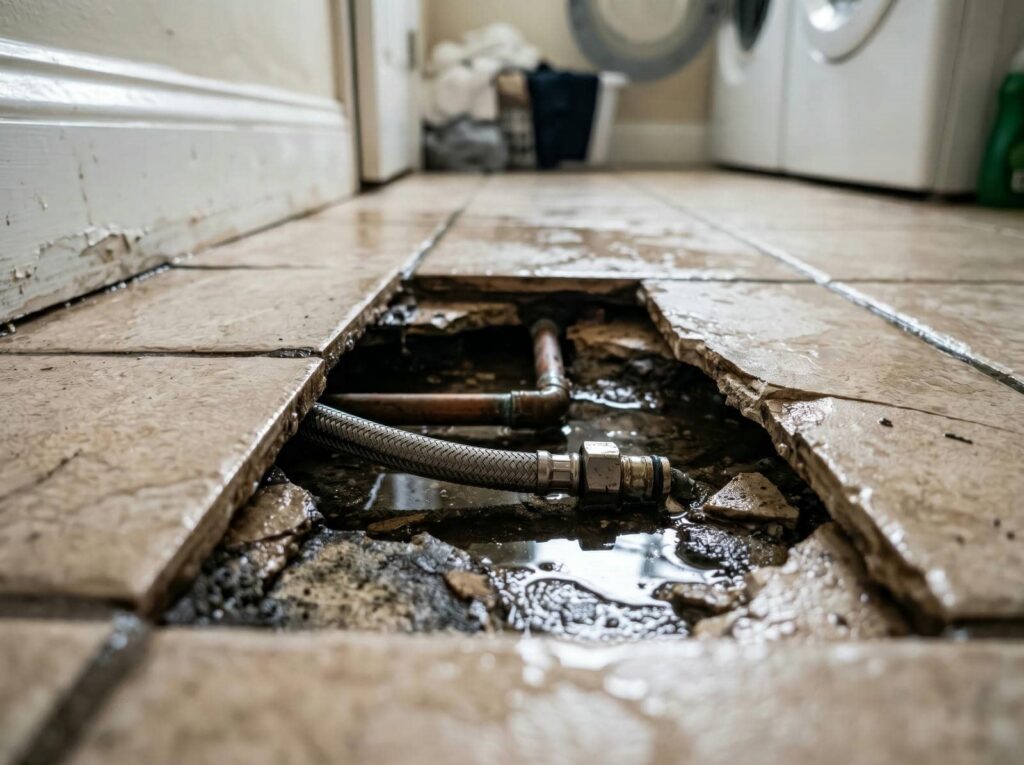
Many homeowners underestimate the risk of burst pipes, which can occur due to various factors like temperature fluctuations and poor insulation. Recognizing the warning signs early is essential to minimize damage and repair costs. When a pipe bursts, Burst Pipe Restoration services can help address the damage quickly, prevent further water intrusion, and restore your property efficiently. You can effectively manage these situations with practical steps and cost-saving strategies. Discover how to identify issues, implement temporary fixes, and find affordable solutions that keep your budget intact while addressing urgent repairs.
Key Takeaways
- Identify burst pipe risks by monitoring for cracks, unusual sounds, and unexpected water bill increases.
- Act quickly after a burst by shutting off the main water supply and documenting damage for insurance.
- Use temporary fixes like duct tape and pipe clamps to manage leaks until permanent repairs are made.
- Regularly inspect and insulate pipes to prevent future bursts, especially in colder climates.
- Compare quotes and look for discounts to find affordable restoration services while ensuring quality.
How to Identify and Prevent Burst Pipes
To prevent burst pipes, it’s crucial to recognize the warning signs early. Different pipe types, like PVC and copper, react differently to temperature changes.
During winter preparation, check for visible cracks or bulges in your pipes, especially in uninsulated areas. Listen for unusual sounds, like dripping or hissing, which can indicate leaks. Monitor your water bill for unexpected increases; this could signal hidden issues.
Insulating exposed pipes and keeping your home heated can greatly reduce the risk of freezing. If you notice water stains on walls or ceilings, act quickly; this could mean trouble.
Immediate Actions to Take After a Pipe Bursts
When a pipe bursts unexpectedly, your immediate response can greatly minimize damage. Start by shutting off the main water supply to prevent further flooding. Next, turn off the electricity in affected areas to avoid hazards. Assess the situation for potential water damage and document it for insurance claims.
| Action | Explanation |
|---|---|
| Shut Off Water Supply | Stops additional flooding. |
| Turn Off Electricity | Reduces risk of electrical hazards. |
| Assess Damage | Helps in planning repairs. |
| Document Everything | Essential for insurance claims. |
In this emergency response, every moment counts. By acting swiftly, you can control the situation and prevent extensive water damage. Your quick actions can save both time and money in restoration efforts.
Quick Temporary Repairs for Burst Pipes Before Help Arrives
A burst pipe can create chaos, but quick temporary repairs can help minimize damage until professional help arrives.
You can use common emergency supplies to implement effective temporary solutions. Here’s what you can do:
Turn off the water supply to prevent further flooding.
Use duct tape to wrap the leak tightly; it’s a quick fix.
Place a bucket or container under the pipe to catch dripping water.
Apply a pipe clamp or rubber patch if you have them on hand.
These measures can buy you time and reduce damage to your home.
Choosing Between DIY and Professional Pipe Repairs
How do you decide between tackling pipe repairs yourself or calling in a professional?
Start with a skill assessment—are you comfortable using DIY techniques, or do you lack the confidence for complex issues?
Next, conduct a cost analysis; while DIY may save money upfront, consider potential long-term solutions. If you misjudge a repair, it could lead to more expenses down the line.
Time considerations also matter; professional expertise often means quicker resolutions, especially during emergencies.
Weigh the immediate satisfaction of a DIY fix against the long-term reliability a pro can offer.
Ultimately, your decision should align with your skills, budget, and how much peace of mind you value in managing your home’s plumbing.
Essential Tools for Pipe Restoration
Successful pipe restoration hinges on having the right tools at your disposal. When tackling a burst pipe, you’ll want to ensure you’re well-equipped for effective pipe inspection and leak detection.
Here’s a list of essential tools you shouldn’t skip:
- Pipe Wrench: For securing and loosening pipes with ease.
- Pressure Tester: To check for leaks and assess system integrity.
- Camera Inspection System: For detailed pipe inspection, revealing hidden issues.
- Pipe Sealant: To effectively seal leaks and prevent future damage.
Having these tools won’t only streamline your restoration process but also foster confidence in your DIY abilities.
Need to Turn Off Your Water? Here’s How?
When a pipe bursts or you need to perform repairs, turning off your water supply is essential to prevent further damage.
First, locate your main water shutoff valve, usually found near the water meter or where the water line enters your home. Turn the valve clockwise until it’s fully closed.
If you can’t find it, check your home’s plumbing diagram or consult your emergency contacts for assistance.
Remember to inform others in your household about the shutoff, so they don’t use water during repairs.
If you’re in a rental, notify your landlord immediately.
Affordable Permanent Repairs for Burst Pipes
After turning off your water supply, you can focus on making affordable permanent repairs for burst pipes.
Using cost effective materials can help you achieve long lasting solutions without breaking the bank. Here’s what you can do:
PVC Pipe: Ideal for most plumbing needs, it’s durable and easy to work with.
Epoxy Putty: Great for sealing small leaks and cracks quickly.
Pipe Clamps: These can hold together damaged sections securely.
Thread Seal Tape: Useful for preventing leaks in threaded connections.
Tips to Prevent Future Burst Pipes
To prevent future burst pipes, you’ll want to start by insulating any exposed pipes, especially in unheated areas.
Regularly monitor temperatures during cold spells, as fluctuations can lead to issues.
Additionally, maintaining your plumbing system through routine inspections can catch potential problems before they escalate.
Insulate Exposed Pipes
Insulating exposed pipes is essential for preventing future bursts, especially in colder climates where temperatures can plunge unexpectedly. Proper pipe insulation is a critical step in your winter preparation.
By insulating your pipes, you’ll protect them from freezing and bursting. Here are key strategies to evaluate:
- Use foam pipe insulation sleeves for easy application.
- Wrap pipes in heat tape to provide additional warmth.
- Seal any gaps or cracks in the walls around pipes.
- Maintain a consistent home temperature, even when you’re away.
Taking these steps safeguards your plumbing and fosters a sense of security within your home.
Monitor Temperature Regularly
Regularly monitoring the temperature in your home can greatly reduce the risk of burst pipes. By keeping an eye on indoor temperatures, especially during winter months, you can prevent freezing conditions that lead to pipe damage. Use a reliable thermometer or smart home system for effective temperature monitoring.
Implement seasonal precautions, like lowering the thermostat at night and ensuring proper heating in vulnerable areas such as basements and attics.
Pay attention to sudden temperature drops; they can signal a need for immediate action. Remember, maintaining a consistent temperature is key to protecting your plumbing system.
Maintain Plumbing System
Keeping your plumbing system in good shape is key to preventing future burst pipes. Regular pipe maintenance and plumbing inspections can save you from costly emergencies.
Here are some effective tips:
- Inspect your pipes for signs of wear, corrosion, or leaks.
- Insulate exposed pipes to protect against freezing during colder months.
- Check water pressure; excessive pressure can strain your pipes.
- Clear out drains to prevent blockages that can lead to backups.
Understanding Insurance Coverage for Burst Pipe Damage
Have you ever wondered how your insurance policy covers damage from a burst pipe? Understanding your coverage limits is vital. Most policies include emergency coverage, but you should check for exclusions details that could affect your claim.
Familiarize yourself with the claim process and what documentation requirements you’ll need, such as photographs and repair estimates. Be aware of deductible amounts, as these will impact your out-of-pocket expenses. Knowing the filing timeline is important too; delays can jeopardize your claim.
Finally, keep your policy updated to reflect any renovations or changes in restoration costs. By staying informed, you can navigate your insurance policy effectively and make sure you’re prepared for any unforeseen water damage.
Finding Affordable Restoration Services
When searching for affordable restoration services, compare multiple quotes to ensure you’re getting the best deal.
Many companies offer discounts or promotions, so don’t hesitate to ask about those options.
Taking these steps can help you save money while still receiving quality service.
Compare Multiple Quotes
Before committing to a pipe restoration service, it’s important to compare multiple quotes to ensure you’re getting the best value for your money.
Engaging in a cost comparison helps you understand the market rates, ensuring you aren’t overpaying.
When evaluating contractors, consider:
- Credentials and experience
- Customer reviews and ratings
- Scope of services offered
- Warranty and assurances provided
Utilizing these options can help you keep costs down.
Frequently Asked Questions
What Are Common Causes of Burst Pipes in Homes?
Common causes of burst pipes in homes include frozen pipes, high pressure, tree roots invading lines, old plumbing systems, temperature fluctuations, and poor insulation. Addressing these issues can help prevent costly damage and ensure your home’s safety.
How Can I Find a Reliable Plumber Near Me?
To find a reliable plumber near you, check local plumber reviews online and ask neighbors for recommendations. Look for those offering emergency services, ensuring you’re part of a community that values trustworthy help when disaster strikes.
What Are the Signs of Water Damage After a Burst Pipe?
You’ll notice water stains, musty odors, and swollen materials. Look for peeling paint, mold growth, and signs of structural damage. Recognizing these early can help you address issues before they escalate.
Can I Claim Burst Pipe Damage on My Taxes?
Yes, you can claim burst pipe damage on your taxes as tax deductions if you’ve filed insurance claims. Make certain you document all expenses and consult a tax professional to maximize your potential deductions and navigate the process.
How Long Does It Take to Fully Restore After a Burst Pipe?
Restoration timelines after a burst pipe typically range from a few days to weeks, depending on damage severity. Being prepared for emergencies can greatly reduce downtime and ensure a smoother recovery process for you.
Conclusion
Water pipe bursts occur annually, often leading to costly repairs. By staying proactive and knowing how to identify warning signs, you can save yourself both money and stress. Remember, taking immediate action and implementing temporary fixes can prevent further damage. Regular maintenance and understanding your insurance coverage are key to managing costs effectively. With the right tools and resources, you can handle burst pipe issues without breaking the bank.