
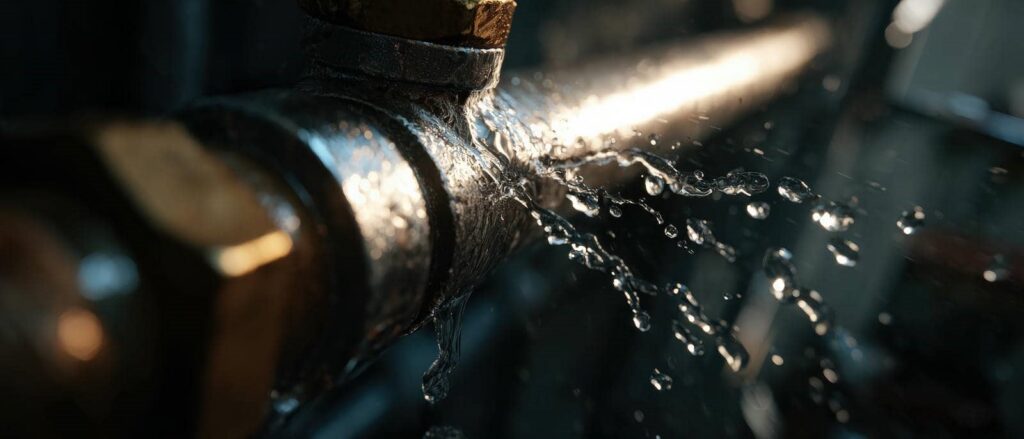
When a burst pipe occurs, quick and effective action is essential to minimize damage. You need to assess the situation promptly, shut off the main water supply, and gather necessary supplies for cleanup. Prioritizing safety is also critical, especially regarding electrical hazards. Knowing when to tackle the cleanup yourself and when to call in professionals can make all the difference. Let’s explore the key steps you should take to manage this urgent situation effectively.
Key Takeaways
- Quickly assess water damage using detection tools and moisture mapping to identify affected areas.
- Shut off the main water supply immediately to prevent further flooding and damage.
- Gather essential cleanup supplies, including moisture meters, drying fans, and absorbent materials.
- Prioritize safety by wearing protective gear and ensuring electricity is turned off in affected areas.
- Call professionals if mold appears within 24-48 hours or if structural issues arise.
How to Quickly Assess Water Damage
When you discover a burst pipe, it’s vital to act quickly to assess the water damage. Start by using water detection tools to identify affected areas. These devices can pinpoint moisture levels behind walls and under floors, allowing for an extensive evaluation.
Next, implement moisture mapping to visualize the extent of the damage. This technique helps you track water movement and identify hidden pockets of moisture that could lead to mold growth. Focus on high-risk areas like basements and crawl spaces.
Document your findings with photographs and notes, as this information will be important for insurance claims and future repairs. By taking these steps, you’ll ensure a thorough assessment, fostering a sense of community support in handling this challenge.
Shut Off Water Supply Immediately After Assessing Damage
After evaluating the damage from a burst pipe, your first priority is to shut off the main water valve.
This action prevents further flooding and allows you to gauge the extent of the damage without additional water intrusion.
Knowing how to locate and operate your main water valve is essential in an emergency situation.
Locate Main Water Valve
To prevent further damage from a burst pipe, locating the main water valve should be your top priority. The main valve controls your home’s water supply and is typically found near the perimeter of your home, often in basements or crawl spaces.
Familiarize yourself with different water valve types, such as gate valves and ball valves, as this knowledge can help you act quickly. Once you find the main valve location, turn it clockwise to shut off the water.
If you’re unsure about its exact position, consult your home’s plumbing diagram or ask a neighbor who may have faced similar issues. Taking this step can greatly minimize damage and provide peace of mind during a stressful situation.
Assess Damage Extent
Once you’ve shut off the water supply, it’s important to assess the extent of the damage.
Start with a thorough pipe inspection to identify any visible leaks or structural issues. Look for water stains, mold, or warped materials that indicate hidden damage.
Use tools like moisture meters to evaluate dampness in walls and floors. Document your findings for clarity during the damage evaluation process.
This step is vital for determining whether you can handle repairs yourself or if you’ll need professional help.
Remember, the sooner you assess the damage, the better you can mitigate further issues and restore your home.
Essential Supplies for Water Damage Cleanup
When dealing with water damage cleanup, having the right supplies on hand is vital for an efficient recovery process. Equip yourself with these key items to tackle the task effectively:
Moisture Meters: These tools help you assess the extent of water damage and ensure thorough drying.
Drying Fans: Use these to circulate air and expedite the drying process, preventing mold growth.
Absorbent Materials: Items like towels and sponges are essential for soaking up excess water.
Don’t forget your safety gear, such as protective clothing, to shield yourself during the cleanup.
Combine these supplies with effective cleaning solutions and restoration tools for a complete recovery effort. Your preparation will make a significant difference in restoring your space.
Prioritize Safety During Cleanup
As you begin the cleanup process, prioritizing safety is essential to prevent injuries and further damage.
First, equip yourself with proper safety gear, including gloves, goggles, and sturdy boots. This gear protects you from contaminants and sharp debris.
Before you start, verify the area is safe by turning off the electricity to avoid electrical hazards. Water can compromise wiring, so check for signs of damage or exposed wires. If you’re uncertain, it’s best to consult a professional.
Keep a first aid kit nearby, just in case.
Dry and Dehumidify Affected Areas Effectively
To effectively dry and dehumidify affected areas after a burst pipe, start by removing any standing water using a wet/dry vacuum or mop.
Next, focus on enhancing air circulation and setting your dehumidifier to the right settings for best results. Follow these steps:
Open windows and doors: This increases airflow, helping moisture evaporate faster.
Place fans strategically: Position fans to direct air towards damp areas, promoting quicker drying.
Adjust dehumidifier settings: Set your dehumidifier to the recommended humidity level, typically around 30-60%, to efficiently extract excess moisture.
When to Call in the Pros for Restoration
When you face extensive water damage, it’s vital to assess whether you can handle the cleanup alone.
If you notice structural integrity concerns or signs of mold growth, it’s time to call in the professionals. Their expertise can ensure a thorough restoration and mitigate long-term risks.
Extensive Water Damage
Extensive water damage can escalate quickly, making it vital to recognize when to call in professionals for restoration.
If you notice any of the following signs, don’t hesitate to reach out for help:
Mold Growth: If mold appears within 24-48 hours, it can pose health risks and complicate insurance claims.
Persistent Dampness: If areas remain wet despite your efforts, it may indicate hidden damage that needs expert attention.
Warping or Buckling: Floors or walls that warp can signal structural issues, leading to increased restoration costs.
Acting promptly is essential.
Professionals mitigate damage and assist with managing insurance claims, ensuring you receive the support you need during this challenging time.
Structural Integrity Concerns
Water damage can threaten the structural integrity of your home, making it crucial to assess any potential risks. If you notice sagging floors, cracks in walls, or warped ceilings, these may indicate compromised foundation stability.
Don’t ignore these signs; they can lead to more severe issues if left unaddressed.
Schedule structural inspections promptly, especially after significant water exposure. Professionals can identify weaknesses you might overlook and recommend necessary repairs.
If you’re uncertain about the extent of the damage, it’s wise to call in experts who specialize in restoration. They’ll ensure your home remains safe and sound, providing peace of mind for you and your family.
Prioritizing structural integrity protects not just your property but your sense of belonging in your home.
Mold Growth Risks
Mold growth can rapidly become a serious issue after a burst pipe, especially in damp environments that remain untreated.
If you notice any of the following, it’s time to call in the pros for effective mold remediation:
Visible Mold: If you see mold patches, it’s a sign that moisture levels are too high.
Musty Odors: Unpleasant smells often indicate hidden mold growth in walls or ceilings.
Health Symptoms: If you or your family experience unexplained allergies, headaches, or respiratory issues, mold could be the culprit.
Timely mold prevention and remediation techniques are essential.
Professionals can assess the damage accurately, implement effective cleaning methods, and ensure your home is safe and healthy again.
Don’t wait—address mold risks promptly!
Frequently Asked Questions
How Can I Prevent Future Pipe Bursts?
To prevent future pipe bursts, use pipe insulation and ensure proper temperature regulation in your home. Keeping your pipes warm during cold months can greatly reduce the risk of freezing and bursting. Stay proactive!
What Insurance Coverage Do I Need for Water Damage?
You’ll need a homeowners insurance policy that covers water damage, including sudden incidents like burst pipes. Check your policy details carefully; some only cover specific types of water damage, so understand your coverage fully.
Are There Specific Mold Prevention Techniques?
To prevent mold, focus on humidity control below 60%. Regular mold removal and ensuring proper ventilation can greatly reduce growth, creating a healthier living environment for you.
How Long Does the Cleanup Process Usually Take?
The cleanup timeline usually ranges from a few days to weeks, depending on cleanup factors like the extent of damage, moisture levels, and available resources. Quick action can greatly shorten this timeline, ensuring effective restoration.
What Should I Do if I Find Asbestos?
If you find asbestos, don’t panic! First, verify safe identification by consulting a certified professional. Then, arrange for safe removal to protect yourself and others. Always prioritize safety; it’s essential for everyone’s well-being.
Recap
In the chaos of a burst pipe, remember that swift action is essential. By shutting off the water and prioritizing safety, you protect your property and preserve peace of mind. Coincidentally, every step you take mirrors the resilience you embody in facing unexpected challenges. Whether it’s using drying fans or calling in professionals, your proactive approach can transform a disaster into an opportunity for restoration and growth. Stay vigilant, and you’ll navigate this situation successfully.