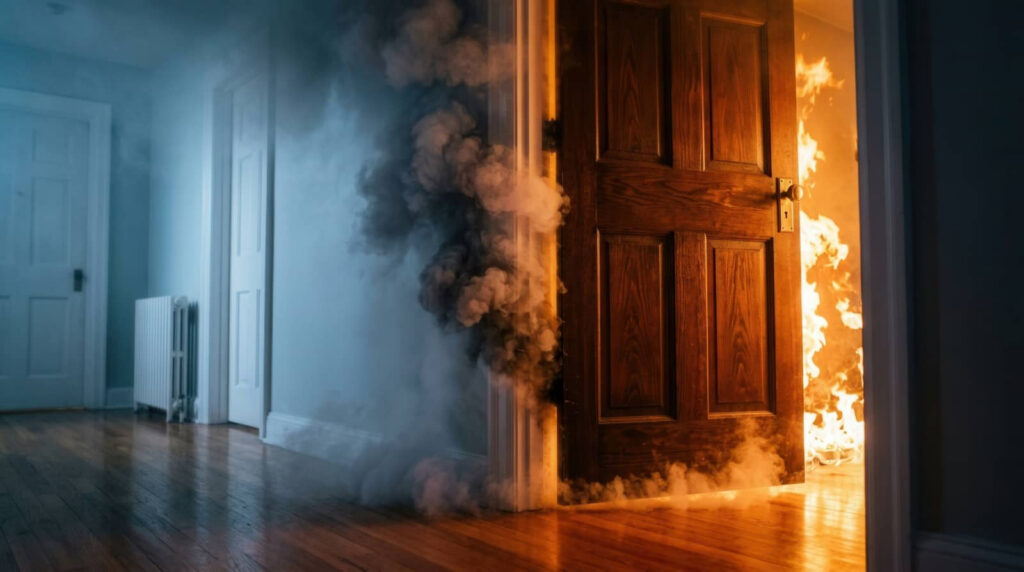
Before you start cleaning smoke damage after a fire, you need to check the structure, shut off hazards, and test the air quality in the room. You’ll also want to control soot spread and protect affected surfaces before stains set in. The right sequence matters here, because one wrong step can lock in odor or damage finishes further. What you do next can make the difference between a manageable cleanup and a costly restoration.
Key Takeaways
- Ensure the area is safe, wear protective gear, and document smoke damage before cleaning.
- Ventilate with open windows and HEPA filtration to reduce odors and airborne soot.
- Remove loose soot with a HEPA vacuum or dry chemical sponge, then clean surfaces top-down.
- Wash fabrics and deodorize with baking soda, activated charcoal, or suitable upholstery cleaners.
- Dry wet materials quickly, remove mold-prone items, and call professionals if odors or damage persist.
Check Safety and Smoke Damage
Before you start cleaning, assess the area for safety and the extent of the smoke damage. You should confirm fire safety first: look for unstable surfaces, exposed wiring, weakened ceilings, and lingering heat.
If anything seems unsafe, don’t enter until a qualified professional clears it. Then perform a careful smoke assessment. Note where smoke settled, which materials are lightly stained, and which items absorbed odor deeply.
You’ll work more effectively when you identify affected zones early, and you’ll feel more in control, too. Wear gloves, a mask, and eye protection so you can inspect confidently.
Document visible damage with photos and notes. This helps you track progress and keep your cleanup plan organized with your team or family.
Ventilate the Room and Remove Soot
Open windows and doors to move fresh air through the room, and set up fans only if they won’t spread soot to clean areas. You’ll improve air circulation and make soot removal safer and more effective.
Wear gloves, a mask, and eye protection so you can work confidently as part of a careful cleanup team.
Start by vacuuming loose soot with a HEPA-filter vacuum; use gentle strokes and keep the nozzle just above the surface. Don’t rub, because that can push particles deeper into fibers and cracks.
Empty the vacuum outdoors and seal the bag or canister waste right away. If odors linger, continue ventilating until the air feels clearer and the dust settles.
Clean Walls, Ceilings, and Hard Surfaces
Start at the top and work downward so soot and cleaning residue don’t drip onto areas you’ve already treated.
For wall cleaning, test an inconspicuous spot first, then use a dry chemical sponge or microfiber cloth to lift loose soot without grinding it in.
Mix a mild detergent with warm water, wring your cloth well, and wipe in overlapping passes. Rinse often with clean water, changing solution when it darkens.
On ceilings, use a stable ladder and light pressure; on hard surfaces, follow the same method and dry them promptly to prevent streaking.
Cover nearby items for surface protection, and replace cloths as they soil.
If discoloration remains, repeat the process patiently so you keep the space clean, safe, and ready for everyone who returns.
Deodorize Fabrics and Upholstery
Next, you should clean fabrics and upholstery with methods matched to the material, such as vacuuming, steam cleaning, or applying a suitable upholstery cleaner.
Use odor removal techniques like baking soda, activated charcoal, or ozone treatment to neutralize trapped smoke compounds.
If the smell lingers, repeat the treatment and verify that the fabric is fully dry to prevent odor retention.
Fabric Cleaning Methods
For fabrics and upholstery, you’ll need to remove both soot residue and odor without driving contaminants deeper into the fibers.
First, identify fabric types so you can match the safest cleaning solutions and avoid shrinkage or color loss. You belong in control here: work methodically, test a hidden spot, and use minimal moisture.
Vacuum with a HEPA tool to lift loose particles.
Blot stained areas with diluted cleaning solutions; don’t scrub.
Rinse lightly and extract excess moisture quickly.
Use white towels and replace them often to prevent redepositing soot. If a textile feels fragile, stop and choose professional care.
Keep air moving so surfaces dry evenly, and inspect seams, cushions, and undersides for trapped residue.
With the right approach, you’ll preserve texture, reduce staining, and restore a cleaner, safer environment.
Odor Removal Techniques
Once the visible soot is under control, you can focus on odor trapped in fabrics and upholstery.
Start by vacuuming with a HEPA filter, then sprinkle baking soda or use charcoal deodorizers to absorb lingering smoke compounds. Let the material sit, then vacuum again.
For washable covers, launder with an enzyme detergent and dry fully in fresh air.
For nonwashable upholstery, mist a fabric-safe deodorizer lightly; avoid soaking, which can drive odor deeper.
Improve airflow with fans and dehumidifiers, and keep windows open when weather allows.
If the smell remains strong, you can use ozone generators only in unoccupied spaces, following the manufacturer’s safety limits.
These steps help you restore a clean, welcoming home for everyone inside.
Dry Water Damage and Prevent Mold
You should dry all wet surfaces completely as soon as possible, using clean towels, airflow, or a dehumidifier to remove residual moisture.
Remove any damp materials that can hold water, since porous items can trap moisture and support mold growth.
Keep indoor humidity below 60% so you can stabilize the environment and reduce the risk of mold developing.
Dry Wet Surfaces
Dry all damp surfaces as quickly as possible to stop smoke residue from setting and to reduce the risk of mold growth. You’ll want to begin with moisture assessment, then choose drying techniques that match each material and room condition.
Use moving air, controlled heat, and dehumidification to pull moisture out without spreading soot. Keep the area ventilated, but avoid high humidity that can slow recovery.
- Check hidden corners, trim, and seams for lingering dampness.
- Dry one zone at a time so you stay organized and efficient.
- Reinspect surfaces until they feel fully dry and stable.
When you work methodically, you protect your space and join the many homeowners who restore confidence one surface at a time.
Remove Damp Materials
After the visible moisture is gone, remove any materials that stayed damp too long and can trap smoke residue or support mold growth.
You should bag saturated drywall, insulation, carpet padding, paper goods, and fabric items that won’t dry quickly.
Use damp removal techniques that limit contact with clean surfaces, and wear gloves and a respirator if debris is still dusty.
If an item can be saved, separate it from the damaged area and apply moisture absorption methods like clean towels, desiccant packs, or airflow from a fan.
Check hidden voids, baseboards, and furniture backs for lingering dampness.
Act promptly; the longer materials stay wet, the harder they’re to decontaminate.
You’re protecting your space, your health, and everyone who’ll return home.
Control Indoor Humidity
Keep indoor humidity low so moisture doesn’t linger in walls, floors, or furnishings and create conditions for mold. You can support recovery with steady humidity control, and you’ll help the space dry faster after smoke cleanup.
Use a dehumidifier, open airflow paths, and monitor readings with a hygrometer. Keep indoor plants in a separate, dry area until surfaces are fully restored.
- Target 30%–60% relative humidity.
- Run fans and HVAC to move air through damp rooms.
- Inspect hidden cavities, baseboards, and upholstery for trapped moisture.
When you stay ahead of dampness, you protect materials, reduce odor retention, and make the home feel safer for everyone.
Small, consistent checks give you confidence that your cleanup is on track.
Know When to Call a Smoke Damage Pro
If the smoke odor lingers after you’ve cleaned visible residue, or if soot has spread into HVAC systems, insulation, drywall, or wiring, you should call a smoke damage professional.
A trained team can perform a smoke assessment, identify hidden contamination, and decide which materials need deep cleaning, sealing, or replacement. You’ll protect your home from lingering toxins and prevent costly secondary damage.
Professional services use specialized filtration, thermal fogging, and HEPA extraction to reach areas you can’t safely access.
If you notice persistent odors, discoloration after cleaning, or irritation when you enter a room, don’t wait. You belong in a home that feels safe and restored, and expert help can get you there faster with measurable results and less risk.
Frequently Asked Questions
How Long Does Smoke Odor Usually Linger After a Fire?
Smoke odor usually lingers for days to months, depending on soot depth and materials. You’ll reduce lingering effects faster with prompt smoke odor removal, thorough ventilation, and professional cleaning, helping your space feel safe again.
Can Smoke Damage Affect Electronics Permanently?
Yes, smoke damage can permanently harm your electronics, like a burnt telegram from the future. You’ll need electronic restoration quickly; smoke residue corrodes circuits, but timely cleaning and testing can often save devices and restore confidence.
What Insurance Typically Covers Smoke Cleanup Costs?
You’ll usually file insurance claims under homeowner’s or renter’s policies, and they often cover smoke cleanup after a covered fire. You’ll verify exclusions, deductibles, and limits with your adjuster so you’re protected and included.
How Do I Protect Family Photos From Smoke Damage?
Household fire loss may involve soot contamination, so you should seal photos in acid-free, airtight protective storage, then digitize them for photo restoration. You’ll preserve memories and keep your family’s legacy safe.
Is Smoke-Damaged Food Safe to Eat?
No, you shouldn’t eat smoke-damaged food if it smells, tastes, or shows smoke residue. You protect food safety by discarding exposed items, then checking sealed packages carefully for contamination and recalls.
Wrap-Up
You’ve done the heavy lifting: you’ve checked for hazards, ventilated the space, lifted soot, cleaned surfaces, and tackled odors before they can settle in like a stubborn ghost. If smoke or water damage still lingers, don’t push your luck—call a pro before hidden residue turns into bigger problems. With the right PPE, tools, and a careful process, you can restore your home safely and far more effectively than guesswork ever could.