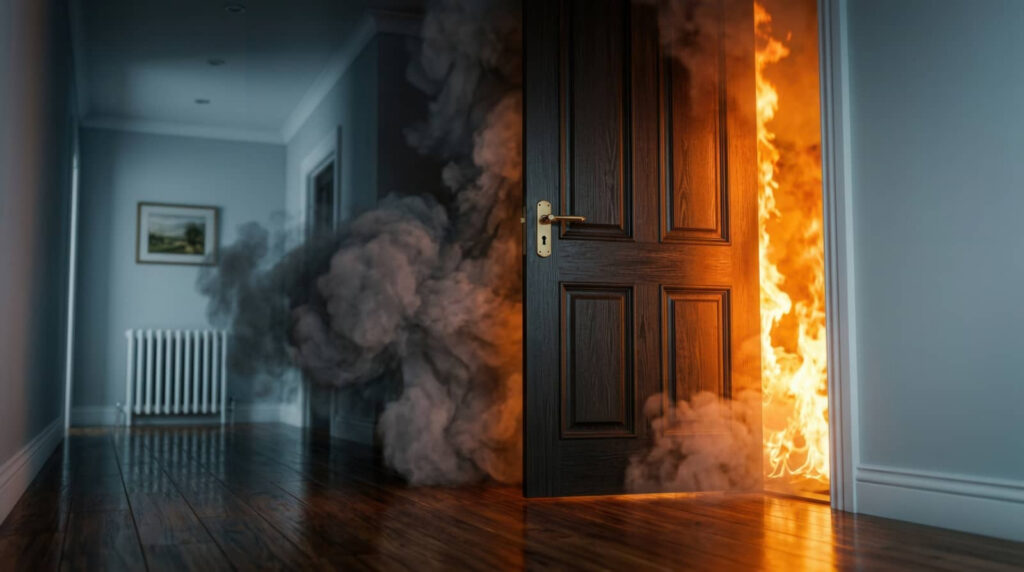
After a house fire, you need to act fast and stay methodical. House Fire Damage requires making sure everyone is safe, calling emergency services, and avoiding the property until the structure has been cleared for entry. Then, document the damage, protect belongings, and begin addressing smoke, soot, and water exposure. The next steps matter even more because hidden hazards can spread quickly, and the real recovery work often begins where the damage isn’t obvious.
Key Takeaways
- Ensure everyone is safe, call emergency services, and do not re-enter until authorities say it is safe.
- Contact your insurance company quickly and document all fire, smoke, and water damage with photos.
- Wear protective gear and begin controlled cleanup of smoke and soot using HEPA vacuums and dry cloths.
- Start drying water-damaged areas immediately, and remove soaked materials to prevent mold growth.
- Repair damaged walls, floors, and utilities with licensed professionals and fire-resistant materials.
What to Do Right After a House Fire
If you can safely do so, leave the home immediately after the fire and call emergency services before you re-enter for any reason.
Move to a secure location, account for everyone, and tell responders about anyone missing, injured, or trapped.
Don’t touch damaged utilities, weak structures, or hot surfaces.
Contact your insurance company as soon as possible to start insurance claims and document the scene with photos only if it’s safe.
Save receipts for temporary lodging, food, and transport.
Reach out to trusted people for emotional support, because steady help matters now.
Keep essential documents, medications, and valuables with you.
Follow official instructions, and wait for clearance before going back inside.
You’re not handling this alone; use the professionals and your community.
How to Clean Up Smoke Damage Safely
Once officials say it’s safe to re-enter, start smoke cleanup with caution because soot, ash, and residue can keep damaging surfaces long after the flames are out.
Before you begin, open windows and use fans for controlled ventilation techniques that move stale air outdoors without spreading debris.
Wear protective gear, including gloves, an N95 respirator, eye protection, long sleeves, and sturdy shoes, so you can work confidently and reduce exposure.
Keep children and pets away from the area, and shut off HVAC systems if they could circulate contaminants.
Use dry cleaning methods first, such as vacuuming with a HEPA filter and wiping surfaces gently with dry microfiber cloths.
Work room by room, bag debris promptly, and wash your hands often.
How to Remove Soot and Smoke Odor
After the loose debris is removed, tackle soot and smoke odor with a methodical approach so the damage doesn’t set in further.
You should wear gloves, a respirator, and eye protection, then vacuum surfaces with a HEPA unit to lift dry soot without spreading it.
Use soot removal techniques matched to the material: dry sponges on walls, microfiber cloths on sealed fixtures, and a mild detergent solution on washable hard surfaces.
Work from top to bottom and replace cloths often.
For smoke odor elimination, ventilate the space, run an air scrubber with activated carbon, and wash salvageable fabrics promptly.
If odors linger in ductwork or porous materials, call certified restoration pros so your home feels safe, clean, and truly yours again.
How to Clean Up Water Damage After Firefighting
Start drying the water-damaged areas right away to limit mold growth and secondary damage. You’ll want to shut off electricity to wet spaces, then begin water extraction with pumps, wet vacs, and absorbent towels.
Open windows if weather allows, and run fans and dehumidifiers to move humid air out fast. Remove soaked rugs, boxes, and other porous items that can hold moisture and feed mold.
Check hidden spaces, like under furniture and behind baseboards, for trapped water. Clean hard surfaces with a detergent solution, then disinfect if contamination is possible.
Keep monitoring humidity and moisture levels until everything reads dry. If the damage is extensive, call a restoration team so you’re not handling it alone; you deserve support and a safe, steady recovery.
How to Repair Fire-Damaged Walls and Floors
With the water removed and the area drying, you can assess which walls and floors need repair, not just cleaning. You’ll protect your home’s structure by removing charred drywall, warped subflooring, and any framing that’s weakened by heat or smoke.
Replace damaged sections with fire resistant materials and verify that fasteners, seams, and connections meet code.
- Check joists for sagging or splitting
- Cut back damaged drywall to clean edges
- Replace insulation replacement where it’s wet or contaminated
- Seal gaps before installing new finishes
- Test floors for bounce, rot, and smoke odor
You’re rebuilding a safe space, so keep each step documented and work with licensed trades when damage reaches load-bearing areas.
Frequently Asked Questions
How Do I Replace Lost Documents After a House Fire?
Start with document recovery by requesting copies from government agencies, banks, and insurers, then use the fire report to verify loss. You’ll replace IDs, deeds, and records faster if you keep each request organized and secure.
Will My Insurance Cover Temporary Housing Costs?
Yes—many policies cover temporary housing costs; roughly 1 in 4 fire claims includes additional living expenses. You’ll review temporary housing options, document receipts, and follow the insurance claim process to secure reimbursement quickly.
How Soon Can I Move Back Into the Home?
You can move back only after inspectors confirm fire safety, utilities, and structural stability. Your rebuilding timeline depends on damage severity, cleanup, and permits. Don’t return until professionals clear the home and you’ve documented repairs.
How Do I Check for Hidden Electrical Damage?
You’ll need electrical inspections first; nearly 1 in 4 post-fire homes hide damaged wiring. You can’t safely guess. A licensed electrician should test circuits, outlets, panels, and grounding to restore fire safety and confidence.
Can Salvaged Belongings Be Restored Professionally?
Yes, you can often restore salvaged belongings professionally. You’ll need a salvage assessment first, then the restoration process can remove soot, odor, and moisture damage, helping you recover items safely and with confidence.
Review
After a house fire, you need to act fast, stay safe, and document everything. You’ll secure the property, remove smoke and water damage, and check for hidden structural problems before repairs start. If the mess feels overwhelming, picture one cleared room, one safe wall, one restored floor at a time—that’s how recovery begins. With protective gear, careful cleanup, and qualified professionals, you can rebuild your home safely, methodically, and with confidence.