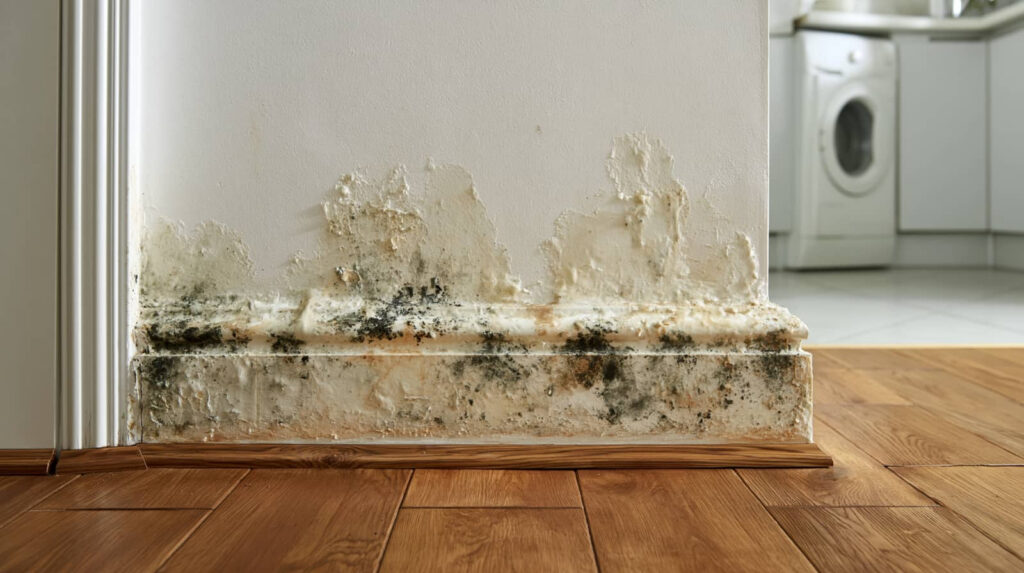
You may not realize that mold can begin growing within 24 to 48 hours after water damage. Prevent Mold After Damage by acting fast and following the right order. First, make the affected ceiling safe, then dry it thoroughly, remove wet materials, and clean exposed surfaces before hidden moisture spreads. The next steps can help you address each stage without making the damage worse.
Key Takeaways
- Stop the leak immediately and shut off water to prevent ongoing moisture.
- Check ceiling safety first, and cut power if the damaged area contains electrical fixtures.
- Dry the area within 48 hours using fans, open windows, and a dehumidifier.
- Remove wet drywall and insulation so trapped moisture cannot feed mold growth.
- Clean surfaces, inspect for mold, and keep the area well ventilated during recovery.
Stop a Ceiling Water Leak Fast
When you spot a ceiling leak, act fast to limit water damage and reduce mold risk. Stay calm, gather your household, and protect the area with towels or a bucket while you trace the source.
Good leak detection means checking plumbing above the stain, nearby bathrooms, and attic lines for dripping, condensation, or loose fittings. If water keeps coming, shut off the affected supply valve or the main line.
Then call for emergency repairs from a licensed pro who can stop the intrusion and document the damage. You’re not handling this alone; quick action keeps your home safer and your next steps clearer.
Photograph the stain, note the time, and keep monitoring for new drips until help arrives.
Check Whether the Ceiling Is Safe
Once the leak is under control, check the ceiling before you go back underneath it. Stand clear and look for sagging, cracks, dark staining, or peeling paint, because these signs can mean hidden damage.
If the surface bows, feels soft, or makes popping sounds, keep the area off-limits. Use a flashlight for a closer ceiling inspection, but don’t press on wet drywall or plaster. You’re looking for structural warning signs, not just cosmetic ones.
If the room has lights, fans, or vents in the damaged zone, shut power off first. When you’re unsure, call a qualified pro for a safety assessment.
A careful check now helps you protect your home and stay with your crew instead of facing a bigger problem later.
Dry the Ceiling Within 48 Hours
Dry the ceiling as quickly as you can, ideally within 48 hours, to reduce the chance of mold growth and further material damage.
You can support mold prevention by increasing airflow with fans and opening windows if outdoor conditions are dry. Run a dehumidifier nearby to improve moisture control, and keep the room warm enough to help evaporation without overheating materials.
Aim direct airflow at the damp area, but avoid trapping humidity indoors. Check the surface often so you can track progress and adjust your setup as needed.
If you’re part of a repair-minded household, work together and stay consistent; prompt drying protects the ceiling and helps everyone feel confident that the space is getting back to normal fast.
Remove Wet Drywall and Insulation
Cut out any drywall and insulation that stayed wet after the leak or flood, because trapped moisture can keep feeding mold even if the surface feels dry. You’ll protect the structure by removing material back to the last clean, dry section and placing it in sealed bags right away.
This step supports moisture control by eliminating hidden damp pockets that dryers can’t reach. Check framing for soft spots, then let the cavity air out before you close it again.
If insulation was soaked, plan for insulation replacement instead of trying to reuse it. You’re not overreacting; you’re resetting the space so it can dry fully and safely.
Work methodically, wear protection, and keep your cleanup area organized so everyone in the home feels confident moving forward.
Clean Ceiling Surfaces and Check for Mold
Now clean the ceiling surface with a mild detergent or approved cleaner, then dry it completely so you can inspect for mold growth, staining, or soft spots.
Use a sponge or microfiber cloth, and change it often so you don’t spread residue. Check seams, corners, fasteners, and any repaired areas under bright light.
If you see dark spotting, fuzzy patches, or a musty odor, address it right away with proper remediation. Keep the area ventilated while you work, and wear gloves and eye protection.
This step supports mold prevention and helps you keep ceiling maintenance on track after damage. When you stay methodical, you protect your home and join the group of owners who catch issues early, fix them confidently, and avoid bigger repairs later.
Frequently Asked Questions
How Do I Tell if Hidden Mold Is Spreading Behind Walls?
You’ll spot hidden mold spreading behind walls by tracking mold indicators: musty odors, peeling paint, discoloration, soft drywall, and rising allergy symptoms. Use a moisture meter or infrared camera, and call a pro if readings stay high.
Should I File an Insurance Claim Before Starting Mold Prevention?
Yes—file the claim first; it’s the gateway to your insurance coverage and claim process. Before mold grows like wildfire, document damage, photograph everything, and start only temporary drying steps so you’re protected.
What Cleaning Products Are Safest for Preventing Mold Growth?
You’ll want EPA-registered mold cleaners, detergent, and diluted bleach on nonporous surfaces; avoid mixing chemicals. Use mold resistant paints after drying, and skip essential oil cleaners alone—they won’t stop growth reliably, but they can scent cleaned areas.
When Should I Call a Mold Remediation Professional?
Call a mold remediation professional when you see widespread growth; many U.S. homes have dampness issues. You’ll need a mold inspection if odors persist or remediation costs rise beyond DIY cleanup.
How Can I Prevent Mold in Nearby Rooms After Water Damage?
You can prevent mold by isolating the wet area, boosting ventilation improvement, and keeping humidity control below 60%. Dry surfaces fast, run dehumidifiers, seal doors, and check adjoining rooms daily. You’re not alone in this.
Recap
By acting fast, you can keep mold from taking root like a silent invader. Stop the leak, check the ceiling for safety, and dry it within 48 hours with fans and dehumidifiers. Remove wet drywall and insulation so hidden moisture can’t linger, then clean surfaces and inspect for mold. When you move quickly and stay thorough, you turn a damaged ceiling into a protected space, ready for repairs and long-term protection.