
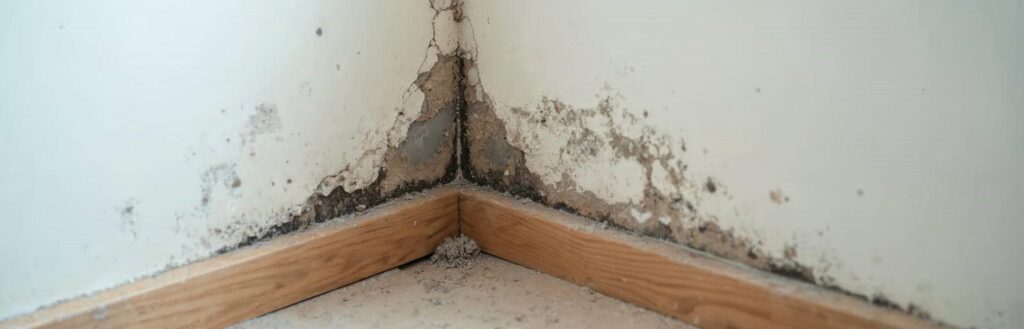
After water damage, mold can start to grow within 24 to 48 hours if you don’t act quickly. You need to prioritize immediate water removal and drying to prevent spore germination. Effective mold prevention strategies include using fans and dehumidifiers, along with ensuring proper ventilation. But are you aware of the hidden moisture issues that could still pose a risk? Understanding these factors is essential for long-term mold prevention.
Key Takeaways
- Swift Water Removal: Promptly remove standing water using submersible pumps and wet vacuums to minimize mold growth risks.
- Effective Drying Techniques: Utilize fans and dehumidifiers to thoroughly dry affected areas within 24 to 48 hours of water damage.
- Humidity Monitoring: Regularly check humidity levels with a hygrometer, ensuring they stay between 30% and 50% to prevent mold.
- Maximize Airflow: Enhance ventilation by opening windows, using exhaust fans, and elevating furniture to promote air circulation and reduce dampness.
- Use Mold-Resistant Materials: Incorporate mold-resistant products in repairs, such as waterproof flooring and mold-resistant paints, to prevent future growth.
How Mold Grows After Water Damage
When water damage occurs, mold can start to grow within 24 to 48 hours if the conditions are right. Understanding the mold lifecycle is vital for effective prevention.
Mold spores, which are always present in the air, require specific growth conditions—like moisture, warmth, and organic material to thrive. Once water damage creates the ideal environment, spores germinate and develop into colonies.
These colonies can spread rapidly, releasing more spores into the air and perpetuating the cycle. To combat this, it’s essential to monitor humidity levels and address leaks or water intrusion immediately.
Act Quickly: The Importance of Immediate Water Removal
When water damage occurs, responding rapidly is essential to prevent mold growth.
You need to implement effective water extraction techniques immediately to minimize moisture levels.
A swift action can greatly reduce the likelihood of mold developing in your space.
Rapid Response Time
Although water intrusion can occur suddenly, your response must be immediate to minimize mold growth. A rapid response is vital; mold can begin to develop within 24 to 48 hours after water exposure.
By taking proactive measures right away, you can greatly reduce the risk of extensive damage and costly repairs. Start by evaluating the affected area and removing any standing water, as this is essential in preventing mold spores from settling.
Utilize fans and dehumidifiers to dry out the space thoroughly. Remember, every moment counts. The quicker you act, the better chance you have of protecting your home and health from the detrimental effects of mold.
Don’t wait; your swift action is key to a safer environment.
Effective Water Extraction Techniques
Immediate water removal is crucial in preventing mold growth and structural damage. When faced with water damage, you need to act swiftly.
Employ effective water extraction methods, such as submersible pumps and heavy-duty wet vacuums, to remove standing water. These tools can greatly reduce moisture levels, creating an environment less conducive to mold development.
Once the bulk of the water is removed, utilize advanced drying techniques like air movers and dehumidifiers. These devices help eliminate residual moisture from walls, floors, and hidden spaces.
Regularly monitor humidity levels to verify they’re within acceptable ranges. By taking these steps promptly, you’re not just protecting your property; you’re fostering a safe and healthy living space for everyone involved.
Drying Your Space: Best Practices for Effective Airflow
To effectively dry your space and prevent mold growth, maximizing airflow is essential. Start by opening windows and doors to create cross-ventilation.
Use fans to enhance airflow, positioning them strategically to direct air toward damp areas. Implement airflow techniques like box fans or oscillating fans to promote circulation.
If possible, elevate furniture to allow air to circulate underneath. Consider ventilation strategies such as running exhaust fans in kitchens and bathrooms to reduce humidity.
Make certain vents and ducts are unobstructed to optimize air movement. Regularly check and adjust your setup as necessary, maintaining a focus on consistent airflow to guarantee every corner of your space dries thoroughly, ultimately safeguarding against mold development.
Why You Should Use Dehumidifiers to Keep Mold Away
To effectively prevent mold growth, you need to maintain ideal humidity levels in your space.
Using dehumidifiers allows for rapid moisture removal, considerably reducing the chances of mold development.
Optimal Humidity Levels
Maintaining ideal humidity levels is essential for preventing mold growth in your home. To achieve effective humidity control, aim for indoor levels between 30% and 50%.
High humidity can lead to excessive moisture, creating a perfect environment for mold spores to thrive. Using dehumidifiers can greatly aid in moisture regulation, particularly in damp areas like basements or bathrooms.
These devices help extract excess moisture from the air, reducing the likelihood of mold formation. Regularly monitoring humidity levels with a hygrometer guarantees you stay within the ideal range.
Rapid Moisture Removal
While you mightn’t think about it daily, rapid moisture removal is essential in keeping mold at bay. After water damage, using dehumidifiers is one of the most effective prevention techniques. They help maintain ideal humidity levels by extracting excess moisture from the air. This not only reduces the risk of mold growth but also enhances indoor air quality.
Incorporating moisture detection tools can further guarantee that you’re aware of hidden dampness that could promote mold. By addressing moisture promptly, you create a healthier living environment for yourself and your loved ones.
Inspect and Repair Hidden Moisture Issues
Inspecting and repairing hidden moisture issues is essential for preventing mold growth in your home.
Often, hidden leaks and moisture can linger undetected, fostering a perfect environment for mold.
To effectively address these issues, you should:
Conduct moisture detection: Use moisture meters to identify damp areas in walls, ceilings, and floors.
Inspect plumbing: Regularly check pipes and fixtures for leaks that may not be immediately visible.
Examine ventilation systems: Confirm that your HVAC systems are functioning properly to prevent condensation build-up.
Best Cleaning Products for Mold Prevention After Water Damage
To effectively prevent mold growth after water damage, selecting the right cleaning products is essential.
Start with natural cleaners like vinegar and baking soda, which are effective at inhibiting mold without harsh chemicals. These options offer a safer alternative for your home and family.
If you prefer chemical options, look for EPA-approved mold removers that contain ingredients specifically designed to kill mold spores. Make sure you follow the manufacturer’s instructions for the best results.
Always test any product on a small, inconspicuous area first to avoid damage.
Additionally, keep surfaces dry and well-ventilated after cleaning to further discourage mold growth.
With the right products, you can create a healthier living environment for everyone.
Choosing Mold-Resistant Materials for Repairs
After cleaning up water damage, choosing mold-resistant materials for repairs can greatly reduce the risk of future mold growth. Here are three key areas to focus on:
Wall Materials: Opt for mold-resistant wallboard or drywall to prevent moisture absorption.
Durable Flooring: Select waterproof flooring options like vinyl or tile that resist mold and moisture.
Insulation Choices: Use closed-cell spray foam insulation, which acts as a moisture barrier while providing excellent insulation.
Incorporating mold resistant paints and waterproofing solutions into your repairs will further enhance protection.
Pay attention to construction techniques to guarantee proper sealing.
Finally, when making furniture selections, prioritize materials that discourage mold growth, creating a safer environment for you and your family.
Ventilation Matters: Ensuring Proper Air Circulation
Proper ventilation is vital for maintaining a healthy indoor environment, as it helps control humidity levels and prevents the conditions that foster mold growth.
To achieve effective airflow, you should implement targeted airflow techniques, such as using exhaust fans in kitchens and bathrooms, which can greatly reduce moisture.
Consider upgrading your ventilation systems to guarantee consistent air exchange throughout your home.
Installing energy-efficient windows can enhance natural airflow while minimizing heat loss.
Regularly inspecting and cleaning your vents will also improve circulation.
Remember, stagnant air creates the perfect breeding ground for mold.
How to Monitor Humidity Levels Effectively
To effectively monitor humidity levels, you’ll need reliable measurement tools like hygrometers or smart home devices.
Maintaining an ideal humidity range of 30% to 50% is essential for mold prevention.
Regularly checking these levels helps you take timely action to avoid moisture problems.
Best Humidity Measurement Tools
When it comes to effectively monitoring humidity levels, selecting the right measurement tools is essential for preventing mold growth.
Understanding hygrometer types can help you make an informed choice between digital and analog models. Here are three reliable options:
Digital Hygrometers: These provide quick, accurate readings and often come with additional features like temperature display.
Analog Hygrometers: Though less precise, they’re simple to use and don’t require batteries, making them a dependable choice for many.
Smart Hygrometers: These connect to your smartphone, allowing for real-time monitoring and alerts, perfect for tech-savvy users.
Choosing the right tool makes a difference in maintaining ideal humidity and protecting your space from mold.
Ideal Humidity Range Tips
Maintaining humidity within the ideal range of 30-50% is crucial for mold prevention, as even slight deviations can promote growth.
To effectively monitor humidity levels, invest in a reliable hygrometer. This device will help you achieve maximum humidity control, guaranteeing your environment remains inhospitable to mold.
Regularly check your readings, especially after heavy rainfall or water damage. If humidity rises above 50%, consider using dehumidifiers to enhance moisture management.
Additionally, maintain proper ventilation in areas prone to dampness, like bathrooms and basements. Sealing leaks and using exhaust fans can further aid in controlling humidity.
When to Call Professionals for Mold Issues?
How do you know when it’s time to bring in professionals for mold issues? Recognizing the signs early can prevent further damage and guarantee your home remains safe.
Here are three key indicators:
Visible Mold Growth: If you spot mold on surfaces, it’s essential to act swiftly. A professional inspection can determine the extent of the problem.
Persistent Musty Odors: Lingering smells suggest mold may be hidden from view, indicating a need for a thorough mold inspection.
Health Symptoms: If you or your family experience unexplained respiratory issues or allergic reactions, it’s time to seek professional remediation.
Taking prompt action can protect your environment and your health.
Don’t hesitate mold issues require immediate attention.
Frequently Asked Questions
Can Mold Grow in Walls After Water Damage?
Yes, mold can grow in walls after water damage, especially if wall materials like drywall or wood remain damp. It’s vital to dry these materials promptly to prevent mold growth and protect your space.
How Long Does It Take for Mold to Appear?
Mold can appear within 24 to 48 hours after water damage, especially in humid environments. For example, a leaky roof raised humidity levels, triggering rapid mold growth. Address moisture promptly to prevent extensive damage.
Are Certain Materials More Prone to Mold Growth?
Yes, certain materials like wood and drywall encourage mold growth. Using mold-resistant materials and ensuring effective moisture control can greatly reduce the risk, creating a healthier environment for you and your loved ones.
What Are the Health Effects of Mold Exposure?
Did you know around 50% of homes have mold? Exposure can lead to various mold symptoms like coughing, sneezing, and headaches. It’s essential to understand the health risks to protect yourself and your loved ones.
Can I Prevent Mold Without Professional Help?
Yes, you can prevent mold without professional help. Use DIY solutions like vinegar or baking soda, and apply home remedies such as essential oils. Keep your space dry and well-ventilated for effective prevention.
Wrap-Up
In the battle against mold, swift action is your shield and preparation is your sword. By removing water quickly, drying effectively, and using mold-resistant materials, you create a fortress against fungal growth. Vigilantly monitoring humidity levels guarantees your defenses remain strong, while proper ventilation acts as the lifeblood of your space. If mold breaches your walls despite your efforts, don’t hesitate to summon the experts. Protect your home, and maintain a healthy sanctuary for you and your loved ones.