
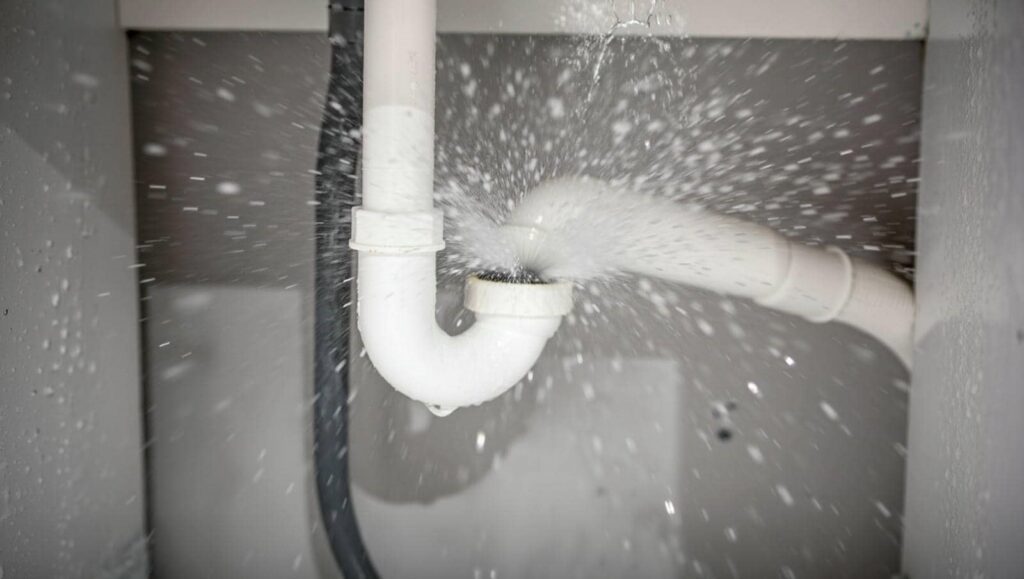
When a burst pipe floods your basement, the immediate response is vital to prevent mold. You need to quickly identify all affected areas and locate hidden leaks. Utilizing moisture meters and effective drying techniques can greatly reduce risks. But the real challenge lies in cleaning and maintaining proper humidity levels. Understanding these steps is essential for safeguarding your home and health. What comes next could determine whether you face a mold crisis or not.
Key Takeaways
Identify Water Damage: Inspect walls and floors for moisture and use moisture meters to detect hidden leaks promptly.
Dry Affected Areas: Utilize high-velocity fans and dehumidifiers to expedite drying and maintain airflow across wet surfaces.
Clean and Disinfect: Use a mold-killing cleaning solution and scrub surfaces to remove any visible mold or mildew effectively.
Monitor Humidity: Keep indoor humidity levels between 30% and 60% using a hygrometer, adjusting with dehumidifiers as necessary.
Seek Professional Help: Contact mold remediation experts if visible mold appears or if areas remain damp after 24-48 hours.
How to Quickly Identify and Address Water Damage
When dealing with burst pipes, swiftly identifying and addressing water damage is essential to prevent mold growth. Start by conducting thorough water detection; inspect walls, floors, and ceilings for signs of moisture.
Use moisture meters to pinpoint hidden leaks and damp areas. Once identified, act quickly—remove affected materials like soaked drywall or carpeting, as they can harbor mold.
Ensure proper ventilation to facilitate drying and utilize dehumidifiers if necessary.
For burst pipe prevention, consider installing water leak sensors in vulnerable areas. These devices can alert you to leaks before they escalate into significant issues.
Effective Drying Techniques to Remove Moisture
After addressing immediate water damage, implementing effective drying techniques is crucial to eliminate moisture and prevent mold growth.
Start by using moisture absorption techniques such as desiccants, which can draw out humidity from the air and materials. Consider investing in drying equipment options like high-velocity fans and dehumidifiers to expedite the drying process.
Position fans to create airflow across wet surfaces, and use dehumidifiers to maintain an ideal humidity level. If possible, open windows to enhance ventilation and facilitate evaporation.
Regularly monitor moisture levels with a hygrometer to ensure effective drying. The sooner you tackle moisture, the better your chances of preventing mold and protecting your space.
Taking these steps fosters a healthier environment for you and your loved ones.
Clean and Disinfect Affected Areas to Prevent Mold
To effectively prevent mold growth, it’s essential to clean and disinfect all affected areas thoroughly.
Start by wearing protective gear, including gloves and a mask, to avoid inhaling mold spores. Use a cleaning solution that’s effective against mold, such as a mixture of water and bleach (one cup of bleach per gallon of water).
Scrub surfaces with a brush to remove any visible mold or mildew. Pay special attention to porous materials like drywall and carpets; these may need replacement if they’re heavily contaminated.
After cleaning, make sure you rinse surfaces with clean water and allow everything to dry completely.
This thorough approach helps eliminate mold spores and greatly reduces the risk of mold returning.
Keep an Eye on Humidity to Prevent Mold
Monitoring humidity levels is essential in preventing mold growth, especially after experiencing burst pipes. Aim to keep indoor humidity between 30% and 60%. Use a hygrometer to measure humidity accurately and adjust as needed. Invest in a dehumidifier if humidity levels exceed this range, ensuring effective humidity control.
Identify and eliminate moisture sources, like leaks or condensation, which can raise humidity levels. Regularly check areas prone to dampness, such as basements and bathrooms.
Ventilate these spaces by using exhaust fans or opening windows to improve air circulation.
Signs You Need Professional Mold Remediation
How can you tell if your home needs professional mold remediation? Look for visible mold growth on walls, ceilings, or hidden areas like behind appliances.
If you notice mold symptoms such as persistent coughing, sneezing, or skin irritation, it’s vital to act. Pay attention to a musty odor, which often indicates hidden mold.
Additionally, if you’ve experienced water damage from burst pipes and the area hasn’t dried properly within 24-48 hours, that’s a red flag.
Prolonged exposure to mold can lead to serious health risks, including respiratory issues and allergic reactions.
If you identify these signs, don’t hesitate to contact professionals who can assess the situation and ensure your home is safe and healthy for you and your family.
Frequently Asked Questions
How Long Does It Take for Mold to Grow After a Water Leak?
Mold can start growing within 24 to 48 hours after water damage occurs. Understanding this mold growth timeline helps you act quickly to mitigate water damage effects, protecting your home and health from potential hazards.
Can I Use Bleach to Kill Mold Effectively?
Bleach can help with mold removal, but it isn’t a silver bullet. Its effectiveness is limited to non-porous surfaces. For deeper infestations, consider specialized products or professional help to truly conquer the mold menace.
What Materials Are Most Susceptible to Mold Growth?
Wood surfaces and carpet fibers are highly susceptible to mold growth due to their porous nature. When moisture is present, these materials absorb water, creating an ideal environment for mold to thrive and spread quickly.
Are There Specific Mold-Resistant Products I Should Use?
You should use mold-resistant paints and moisture barriers to protect your spaces. These products help inhibit mold growth, ensuring your environment stays healthy and safe. Incorporating them into your renovation plans can make a significant difference.
How Can I Prevent Future Pipe Bursts?
Ever wonder how to stop future pipe bursts? Proper pipe insulation and effective temperature regulation are key. Insulate vulnerable areas, monitor your home’s temperature, and watch for drafts to keep your pipes safe year-round.
Wrap-Up
By acting quickly after a burst pipe, you can greatly reduce the risk of mold. Coincidentally, maintaining a balanced humidity level protects your home and enhances your comfort. As you monitor for signs of mold, remember that early intervention is essential. If you notice persistent issues, don’t hesitate to call in professionals. Your health and home deserve the best care, and staying proactive can save you from costly future repairs and health hazards.