
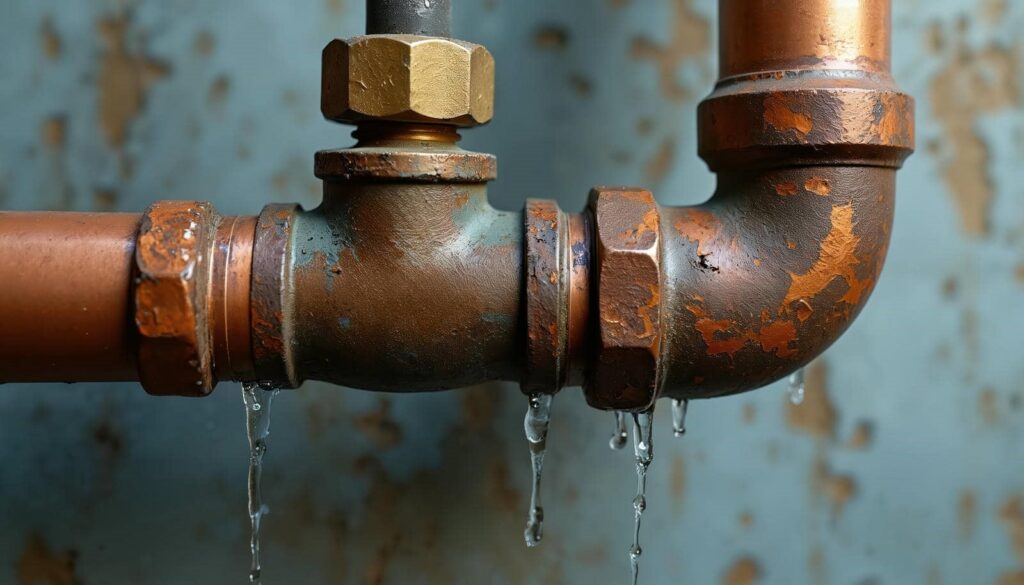
Have you ever considered how much damage a burst pipe can cause if left unchecked? Evaluating this damage requires a meticulous approach. You’ll need to identify visible leaks, check for structural integrity, and utilize specialized tools for an extensive evaluation. Understanding these strategies aids in immediate repairs and helps in preventing future incidents. To effectively navigate this process, let’s explore the critical steps and tools you’ll need for a thorough evaluation.
Key Takeaways
- Conduct a thorough visual inspection to identify leaks, corrosion, and visible damage in pipes and surrounding areas.
- Utilize thermal imaging to detect temperature variations that indicate potential leaks behind walls or under floors.
- Employ moisture meters to assess moisture levels in walls and floors, helping to locate hidden leaks effectively.
- Use acoustic sensors to analyze sound patterns, which can pinpoint areas of leakage within plumbing systems.
- Document findings with clear photos and detailed records, including repair estimates and communication logs with professionals.
Why Do Pipes Burst? Common Causes Explained
Pipes can burst for several reasons, and understanding these causes is essential for effective prevention and maintenance.
Frozen temperatures often lead to ice formation within pipes, creating pressure fluctuations that can exceed tolerances. Old materials, like galvanized steel, are more prone to cracking under stress.
Additionally, tree roots can invade underground pipes, causing blockages and eventual bursts. Poor insulation further exacerbates the risk during sudden temperature drops.
During periods of high water demand, plumbing installation may not effectively handle the increased pressure, leading to failures.
Signs You Might Have Burst Pipes
If you notice unexplained water puddles in your home, it could indicate a burst pipe.
Additionally, a sudden drop in water pressure might signal an underlying issue.
Unpleasant odors may also arise from stagnant water, further suggesting that you need to investigate potential pipe damage.
Unexplained Water Puddles
Have you noticed unexpected water puddles forming in your home? These unexplained water collections can be a clear sign of burst pipes. It’s essential to act promptly, as lingering moisture can lead to serious damage and mold growth.
Here are some indicators to watch for:
- Persistent puddles near walls or floors.
- Damp or discolored areas on ceilings or walls.
- Unusual moisture detection readings from your hygrometer.
- Musty odors that suggest hidden moisture sources.
Identifying these signs early can save you from costly repairs.
If you find any of these symptoms, it’s wise to consult a professional plumber to assess potential pipe damage and take necessary actions. Your home’s integrity depends on it.
Reduced Water Pressure
When you notice a significant drop in water pressure, it could signal underlying issues, including burst pipes. Fluctuations in water pressure often indicate that something’s amiss within your plumbing system.
You might find that your taps deliver a weak stream, or your shower lacks the usual force. These symptoms aren’t just inconveniences; they can point to serious damage.
It’s crucial to monitor for any sudden changes since they can escalate quickly. If you experience pressure fluctuations, investigate further to determine if a burst pipe is the culprit.
Ignoring these signs may lead to more extensive and costly repairs. Staying vigilant helps ensure your home remains safe and your water supply reliable.
Unpleasant Odors Present
Unpleasant odors can be a clear indicator of burst pipes lurking within your plumbing system. These smells often signal potential odor sources and can lead to mold growth if left unaddressed. Recognizing these odors is vital for timely intervention.
Here are some common signs to watch for:
- Musty odors indicating stagnant water
- Sulfur-like smells suggesting sewage backup
- Moldy scents that signal dampness
- Strong, chemical odors from damaged pipes
If you detect any of these unpleasant odors, it’s important to investigate further. Ignoring them can result in extensive damage and health risks.
Don’t hesitate to consult a professional to assess your plumbing system and mitigate any potential issues effectively. Your home’s safety depends on it.
First Steps to Evaluate Pipe Damage
To evaluate pipe damage effectively, start with a thorough visual inspection.
Check for any visible leaks, corrosion, or unusual wear on the pipe surface.
Next, conduct a water flow analysis to identify inconsistencies that may indicate underlying issues.
Visual Inspection Techniques
Although you may feel overwhelmed by the extent of damage a burst pipe can cause, conducting a thorough visual inspection is your first step in evaluating the situation.
By employing a systematic approach, you can effectively identify issues. Here are key techniques to take into account:
Thermal Imaging: Use infrared cameras to spot temperature variations, indicating water leaks.
Moisture Mapping: Assess areas for moisture presence to pinpoint the source of damage.
Physical Inspection: Check for visible cracks, corrosion, or bulging in pipes.
Documentation: Take photos and notes to track damage severity and inform future repairs.
These techniques will help you gain a detailed understanding of the damage, allowing for informed decisions on the next steps.
Water Flow Analysis
Once you’ve conducted a visual inspection, the next step involves analyzing water flow to determine the extent of pipe damage.
Begin by measuring the flow rate at various points in the system. A significant drop might indicate a blockage or leak. Pay close attention to pressure fluctuations; these can reveal areas of weakness within the pipe.
Use pressure gauges to monitor any irregularities that could signal a burst. By systematically collecting this data, you can create a clearer picture of the overall integrity of the piping system.
Accurate flow analysis aids in identifying immediate issues and helps in planning effective repairs, ensuring the long-term reliability of your water distribution network.
Essential Tools for Damage Assessment
When evaluating damage from a burst pipe, having the right tools at your disposal is essential for accurate evaluation.
Utilizing advanced technology enhances your ability to assess the situation effectively. Here are key tools you should consider:
Pressure Gauges: Measure internal pressure to identify potential leaks.
Thermal Imaging: Use infrared thermography to detect temperature variations indicating leaks.
Moisture Meters: Assess moisture levels in walls and floors to locate hidden damage.
Acoustic Sensors: Utilize these for leak detection through sound analysis.
Incorporating digital tools and plumbing software can streamline your pipe inspection process.
Video cameras also provide visual insights into the pipe’s condition, ensuring you gather extensive data for an informed assessment.
Inspect for Water Leaks
To effectively inspect for water leaks, you need to adopt a systematic approach that focuses on high-risk areas. Start by employing leak detection methods like acoustic sensors or infrared cameras to identify hidden leaks.
Check common trouble spots, including joints, fittings, and areas around appliances. Use moisture measurement tools to quantify any dampness, guiding your assessment of potential damage.
Pay attention to water stains or discoloration on walls and ceilings, as these often indicate leaks. Document your findings meticulously, as this information is essential for repairs and future prevention.
Check for Structural Damage After a Burst Pipe
After identifying water leaks, the next step involves checking for structural damage caused by a burst pipe. Ensuring the structural integrity of your home is essential, as water can compromise various components.
Here’s what you should focus on during your assessment:
- Foundation inspection: Look for cracks or shifts in the foundation.
- Wall integrity: Check for bulging or soft spots in walls and ceilings.
- Floor stability: Assess for sagging or uneven floors that may indicate underlying damage.
- Mold growth: Identify areas of dampness that could lead to mold, further affecting structural integrity.
Spotting Hidden Damage
Although visible damage might seem limited, spotting hidden damage from a burst pipe requires keen observation and a thorough approach.
Begin by conducting moisture detection tests to identify hidden leaks behind walls or under floors. Use thermal imaging to spot temperature variations that indicate moisture presence.
Pressure testing can reveal weaknesses in pipe insulation, highlighting potential failures. Don’t overlook foundation checks; water pooling near your foundation may signal concealed issues.
Look for wall discoloration, as this often points to long-term moisture exposure. Finally, employ acoustic monitoring to detect the sounds of water escaping from hidden pipes.
How to Document Burst Pipe Damage for Insurance
Identifying hidden damage from a burst pipe sets the stage for effective documentation, which is essential for insurance claims.
To navigate the documentation process smoothly, follow these key steps:
Take clear photos: Capture images of all affected areas, including water stains and structural damage.
List damaged items: Document personal belongings impacted by the water, including furniture and electronics.
Record repair estimates: Obtain written estimates from professionals for repairs or replacements, detailing costs.
Compile communication logs: Keep a record of conversations with insurance adjusters and contractors to maintain a clear timeline.
Preventing Future Burst Pipes
To effectively prevent future burst pipes, it’s essential to understand the common causes and implement proactive measures.
Start by ensuring proper pipe insulation, especially in vulnerable areas like basements and attics. Insulating your pipes helps maintain temperature stability, reducing the risk of freezing.
Additionally, conduct seasonal maintenance checks to identify potential issues before they escalate. Regularly inspect your plumbing for leaks, corrosion, or signs of wear.
It’s also wise to monitor water pressure; excessive pressure can stress pipes, leading to failure.
Finally, consider upgrading older piping systems with more durable materials.
Frequently Asked Questions
How Long Does It Take to Repair Burst Pipes?
Repairing burst pipes typically takes a few hours to a couple of days, depending on the repair timeline and cost factors like pipe material, location, and extent of damage. You’ll want to assess these elements carefully.
Are All Pipe Materials Equally Susceptible to Bursting?
Not all pipe materials are equally susceptible to bursting. In your pipe material comparison, consider factors like temperature fluctuations, pressure levels, and corrosion resistance, as they greatly influence burst susceptibility and overall durability in various environments.
What Are the Health Risks of Burst Pipes?
Burst pipes pose significant health risks, including water contamination and mold growth. You should address these issues promptly to prevent respiratory problems and other illnesses, ensuring a safe environment for everyone affected by the situation.
Can I Assess Damage Myself, or Should I Hire a Professional?
You can attempt a DIY assessment for minor damage, but hiring a professional evaluation ensures thoroughness. Professionals possess the expertise and tools to identify hidden issues, safeguarding your home’s integrity and your peace of mind.
How Does Temperature Affect Pipe Bursting Risk?
You’d think warmer weather prevents burst pipes, but temperature extremes can freeze pipes, leading to bursts. As temperatures drop, water expands, increasing pressure. Stay vigilant; your pipes aren’t immune to winter’s icy grip.
Summary
In evaluating burst pipe damage, swift action and meticulous examination are your best allies. While visible leaks and structural issues may shout for attention, hidden damage often whispers, requiring advanced tools to uncover. By documenting your findings methodically, you pave the way for effective repairs and bolster your insurance claims. Balancing urgency with precision ensures you tackle immediate concerns while safeguarding against future mishaps, creating a resilient environment for your property.