
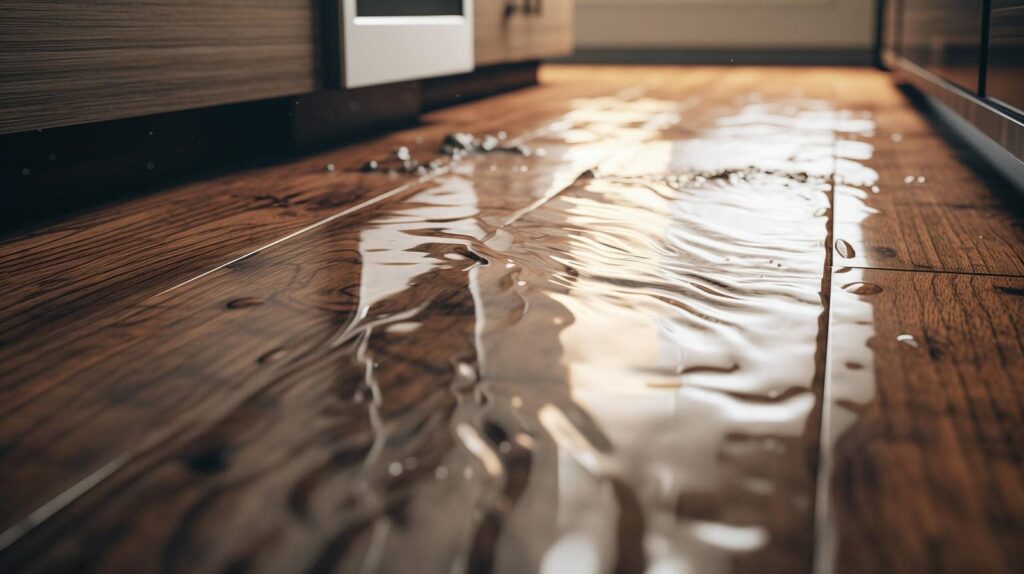
When you face water damage restoration, having the right tools at your disposal is essential for a successful restoration. You’ll need efficient pumps for quick water extraction, along with powerful dehumidifiers and air movers to combat moisture. Each tool plays a significant role in preventing further damage and ensuring a thorough cleanup. Understanding how to use these tools effectively can make all the difference. So, what specific equipment should you prioritize to achieve optimal results?
Key Takeaways
- Submersible and Utility Pumps: Essential for efficient water extraction from deep and shallow areas, ensuring rapid removal of excess water.
- Dehumidifiers and Air Movers: Vital for reducing humidity and enhancing airflow, significantly improving drying speed and preventing mold growth.
- High-Quality Suction Pumps: Quickly eliminate remaining water, crucial for effective cleanup after initial extraction processes.
- Moisture Detection Tools: Utilize hygrometers and infrared scanners to accurately assess moisture levels and identify hidden issues within structures.
- Protective Gear: Invest in waterproof gloves, N95 respirators, and safety goggles to ensure team safety while handling contaminated water.
Key Tools for Effective Water Extraction
When water damage strikes, having the right tools for effective water extraction can make all the difference in minimizing damage and restoring your space.
Understanding various water extraction methods is essential. You’ll want to take into account the severity of the flooding when making your pump selection. Submersible pumps are ideal for deep water, while utility pumps work well for shallow areas. Each pump has its capacity; choosing the right one ensures efficient removal.
Additionally, keep in mind the importance of portable extractors, which can tackle smaller, hard-to-reach spaces. Investing in quality equipment speeds up the restoration process and fosters a sense of community, as you navigate recovery alongside others who’ve faced similar challenges.
Top Drying Solutions: Dehumidifiers and Air Movers
After successfully extracting standing water, the next step in the restoration process involves effective drying solutions, particularly dehumidifiers and air movers.
Dehumidification techniques play an essential role in reducing humidity levels, preventing mold growth, and ensuring a safe environment. When choosing a dehumidifier, consider factors like capacity and energy efficiency to suit your space.
In air mover comparisons, look for power output and airflow direction; these features can greatly impact drying speed.
Using both tools in tandem enhances efficiency, ensuring thorough drying.
Best Cleaning Tools for Water Damage Cleanup
Effective water damage cleanup requires a toolkit that balances efficiency and thoroughness. Start with high-quality suction pumps to remove excess water quickly. These pumps can handle substantial volumes, making them essential for minimizing damage.
Next, choose effective cleaning solutions specifically designed for water damage scenarios. Look for products that eliminate mold and bacteria, ensuring a safe environment as you restore your space.
Don’t forget scrub brushes and mops; they’re vital for getting into corners and hard-to-reach areas. As you work through this challenging process, remember that each tool in your kit can considerably impact your success.
How to Use Moisture Detection Tools Effectively?
Understanding how to use moisture detection tools effectively can greatly enhance your water damage restoration efforts. Start by familiarizing yourself with various moisture measurement techniques, like using hygrometers for accurate readings on humidity levels.
Combine this with infrared scanning methods to identify hidden moisture behind walls and under floors. When using these tools, always take multiple readings to get a thorough view; moisture can vary considerably in different areas.
Document your findings meticulously, as this helps you track progress and adjust your strategies. Remember, each property is unique, so be patient and empathetic to your clients’ concerns.
Your expertise in these techniques fosters trust and belonging, ensuring you’re restoring spaces and rebuilding lives.
Stay Safe: Essential Protective Gear for Restoration
While you focus on restoring properties after water damage, prioritizing your safety is essential. Equip yourself with the right personal protective equipment to guard against potential hazards.
Start with waterproof gloves and boots to protect against contaminated water. N95 respirators are crucial for filtering airborne particles, especially in mold-prone areas. Safety goggles shield your eyes from debris and splashes, ensuring you can work without distraction.
Always adhere to established safety protocols, including evaluating the site for electrical hazards before beginning your work. By investing in this gear, you foster a culture of safety within your team, ensuring everyone feels secure and valued.
Innovative Technologies in Water Damage Restoration
In water damage restoration, having the right tools can make all the difference in efficiency and effectiveness.
Advanced moisture detection tools help you pinpoint hidden issues, ensuring no damp areas are overlooked, while efficient drying equipment accelerates the restoration process.
Advanced Moisture Detection Tools
As you tackle water damage restoration, harnessing advanced moisture detection tools can greatly enhance your efforts. Utilizing advanced sensors allows you to pinpoint hidden moisture, minimizing further damage.
These tools offer precise moisture mapping, giving you a clear picture of affected areas. By detecting moisture behind walls or under flooring, you can address issues before they escalate.
It’s essential to remember that every drop counts. The right tools save time while fostering a sense of community among restoration professionals who share your commitment to excellence.
When you invest in these technologies, you’re not just restoring property; you’re helping families rebuild their lives. Embrace these innovations, and you’ll navigate the restoration process with confidence and empathy.
Efficient Drying Equipment
You’ll rely on advanced drying techniques that utilize high-capacity dehumidifiers and powerful air movers. These tools work together to enhance air circulation, ensuring moisture is effectively removed from walls, floors, and furnishings.
Using a combination of temperature control and airflow, you’ll create an ideal drying environment that minimizes the risk of mold and structural damage.
It’s not just about equipment; it’s about restoring peace of mind for you and your loved ones.
With the right drying equipment, you’re not just drying out a space; you’re creating a home again, fostering a sense of belonging and comfort in the face of adversity.
Frequently Asked Questions
How Long Does Water Damage Restoration Typically Take?
Water damage restoration typically takes a few days to weeks. Restoration factors like the extent of damage, materials affected, and drying time influence water damage timelines. You deserve a thorough process to ensure your home’s safety.
Can I Handle Water Damage Restoration Myself?
Sure, you can tackle DIY restoration, but remember, it’s not just about saving costs. You’ll need essential equipment, safety precautions, and a solid plan—because nothing says “fun” like unexpected mold surprises!
What Insurance Covers Water Damage Restoration Costs?
Most homeowners’ insurance covers water damage, but specifics vary. Check your policy for exclusions like flooding. If you’re unsure, contact your insurer to clarify your coverage, ensuring you’re protected during restoration efforts. You deserve peace of mind.
How Can I Prevent Future Water Damage?
People experience water damage daily. To prevent future issues, ensure your drainage systems function properly and schedule regular inspections. Staying proactive protects your home, gives you peace of mind, and fosters community resilience.
What Are the Signs of Mold After Water Damage?
You’ll notice signs of mold growth through a musty odor, visible spots, or increased moisture detection in your home. Act quickly to protect your health and restore your space before it worsens.
Wrap-Up
In water damage restoration, having the right tools is like a skilled chef using the finest knives; each tool plays a crucial role in crafting a successful recovery. Just as a chef wouldn’t compromise on quality, you shouldn’t either—your safety and efficiency depend on it. Remember, the faster you act and the better equipped you are, the more you can prevent lasting damage. Embrace these tools, and you’ll emerge from the chaos ready to restore and rebuild.