
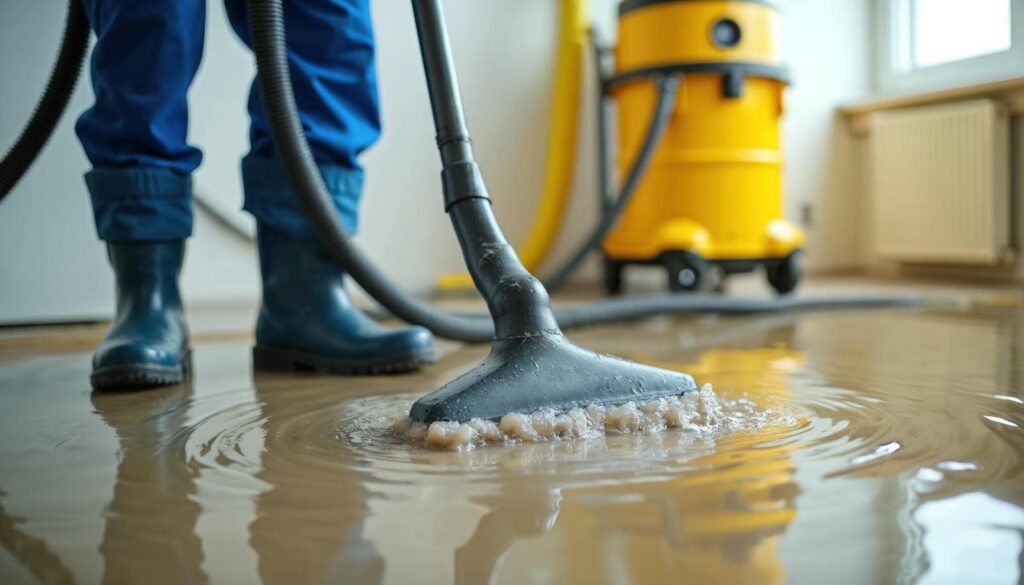
Imagine trying to fix a leaky boat with nothing but a sponge; it’s ineffective and time-consuming. In water damage restoration, having the right equipment can make all the difference in efficiency and effectiveness. From powerful water extraction pumps to essential protective gear, each tool plays a vital role in mitigating damage and ensuring safety. Let’s explore the top five pieces of equipment you’ll need to tackle water damage effectively.
Key Takeaways
- Water Extraction Pumps: Essential for rapid water removal; submersible and diaphragm types enhance efficiency based on flow rate and lift height.
- Dehumidifiers: Critical for mold prevention; choose models with higher capacity and energy efficiency for optimal performance.
- Air Movers: Accelerate drying by increasing airflow; strategic placement reduces drying time and minimizes structural damage.
- Moisture Meters: Provide accurate moisture readings; use pin-type for deep detection and pinless for surface assessments.
- Protective Gear: Essential for safety; include gloves, goggles, respirators, waterproof boots, and coveralls to protect against hazards.
Choosing the Right Water Extraction Pump for Your Needs
When tackling water damage restoration, choosing the right water extraction pump is vital to your efficiency and success. You’ll find various pump types, such as submersible and diaphragm pumps, each designed for specific scenarios.
Consider performance factors like flow rate, lift height, and power source to match your project’s demands. A higher flow rate means quicker extraction, while lift height is important for removing water from deep spaces.
Additionally, evaluate the pump’s durability and ease of use, ensuring it suits your restoration environment. By selecting the right pump, you enhance your capabilities, making the restoration process smoother and more effective.
Ultimately, the right choice fosters a sense of belonging in the professional community, aligning you with industry standards.
Top Dehumidifiers to Prevent Mold
Mold growth can become a serious issue after water damage, making the right dehumidifier essential for effective restoration. When choosing a dehumidifier, consider its capacity and energy efficiency. The right model can quickly remove excess moisture, preventing mold and ensuring a healthier environment for your team and clients.
| Model | Dehumidifier Capacity | Energy Efficiency |
|---|---|---|
| Model A | 50 pints | High |
| Model B | 70 pints | Medium |
| Model C | 90 pints | High |
| Model D | 30 pints | Low |
Select a dehumidifier that meets your specific needs, balancing capacity and efficiency to achieve the best results in water damage restoration.
How Air Movers Help You Dry Faster?
Air movers play an essential role in speeding up the drying process after water damage, as they create a powerful airflow that evaporates moisture from surfaces.
By understanding airflow dynamics, you can effectively employ drying techniques to minimize damage and prevent mold growth.
Here are four key benefits of using air movers:
Increased Evaporation: Enhanced airflow accelerates moisture evaporation from carpets and walls.
Targeted Drying: Positioning air movers strategically focuses airflow on wet areas.
Reduced Drying Time: Faster drying means less risk of structural damage.
Improved Air Quality: Circulating air reduces stagnant moisture, promoting a healthier environment.
Utilizing air movers speeds up the drying process and safeguards your space against further damage.
Moisture Meters for Effective Water Damage Restoration
Moisture meters are essential tools for effective water damage restoration, providing accurate readings that help assess the extent of moisture intrusion. By understanding different moisture meter types, you can select the right tool for your project, ensuring peak moisture meter accuracy.
Here’s a quick comparison of common moisture meter types:
| Moisture Meter Type | Key Features |
|---|---|
| Pin-Type | Direct penetration |
| Pinless | Non-invasive readings |
| Digital | Digital display, high accuracy |
| Analog | Simple, easy-to-read |
| Hygrometer | Measures humidity levels |
Using the right moisture meter enhances your restoration efforts and fosters a sense of community among professionals who share these insights. Equip yourself wisely!
Essential Protective Gear for Safe Water Damage Restoration
When tackling water damage restoration, having the right protective gear is essential for ensuring your safety and efficiency on the job. Here’s a list of must-have items to keep you protected:
Protective Gloves: These shield your hands from hazardous materials and contaminants.
Safety Goggles: Essential for protecting your eyes from splashes and debris.
Respirator Masks: These filter out harmful airborne particles, keeping your lungs safe.
Waterproof Boots: They prevent slips and protect your feet from water and sharp objects.
Consider adding disposable coveralls and hard hats for extra safety.
Investing in quality gear enhances your safety and fosters a sense of professionalism and belonging in the restoration community.
Frequently Asked Questions
How Often Should I Replace My Water Damage Restoration Equipment?
You should replace your water damage restoration equipment every 5-7 years, depending on usage. Regular maintenance tips, like cleaning and inspecting parts, can extend equipment longevity, ensuring it performs effectively when you need it most.
What Certifications Should Professionals Have in Water Damage Restoration?
In water damage restoration, professionals should hold certifications like IICRC and RIA. These certifications highlight their qualifications, ensuring they possess the necessary skills and knowledge to effectively handle restoration challenges and ensure quality service.
How Do I Know When to Call a Professional for Water Damage?
If you notice early signs like damp spots or strange odors, don’t wait. Call a professional immediately. The faster you act, the shorter your restoration timeline will be, preventing further damage and costly repairs.
Can I Use My Home Vacuum for Water Extraction?
You shouldn’t use your home vacuum for water extraction; it’s not designed for that. Instead, consider specialized vacuum types for effective extraction methods, ensuring you handle water damage safely and efficiently. Your home deserves the best care.
What Are the Risks of Improper Water Damage Restoration?
Improper water damage restoration can lead to mold growth and serious health hazards. You risk structural damage, compromised air quality, and costly repairs, so it’s essential to address water issues promptly and effectively.
Recap
In the aftermath of water damage, equipping yourself with the right tools is vital. Picture a room transformed from a damp, moldy mess to a dry, safe environment. With effective water extraction pumps, powerful dehumidifiers, and efficient air movers at your side, you can swiftly reclaim your space. Don’t forget your moisture meters for precision and protective gear for safety. Armed with this essential equipment, you’ll be ready to tackle any restoration challenge head-on.