
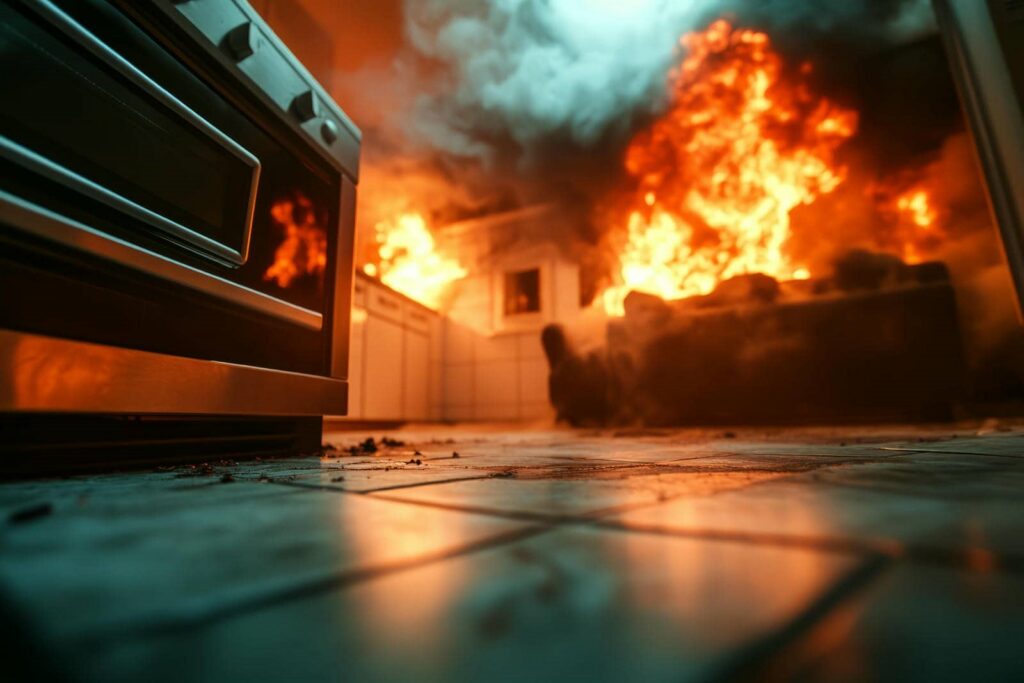
Restoring your home after a fire can feel overwhelming, but knowing the right steps can make a significant difference. You’ll need to assess the damage carefully, ensuring both safety and thorough recovery. Securing your property and addressing smoke residue are vital early actions. As you navigate the complexities of repair and restoration, understanding your options can be pivotal. Let’s explore the essential strategies that will guide you through this challenging process.
Key Takeaways
- Conduct a thorough fire damage assessment to evaluate structural integrity and document findings for professional consultations.
- Immediately board up openings and contact local authorities to ensure safety before re-entering the property.
- Use specialized cleaners and HEPA filter vacuums to effectively remove smoke and soot residue while preventing cross-contamination.
- Schedule a structural inspection with a licensed contractor to address any compromised load-bearing elements and ensure safety during repairs.
- Prioritize salvaging and restoring belongings, focusing on sentimental items and assessing the feasibility of repairing furniture and electronics.
How to Assess Fire Damage: Key Indicators to Check
When you’re faced with the aftermath of a fire, understanding how to assess the damage is essential for effective restoration.
Begin with a thorough fire damage assessment, focusing on key indicators like structural integrity and affected materials. Check walls, ceilings, and floors for signs of charring or warping.
Next, perform a soot residue evaluation; look for discoloration and odor, which can indicate deeper issues. Pay special attention to hidden areas, as soot can linger in nooks and crannies.
Document everything carefully, as this information will help you when contacting professionals.
What to Do Immediately After a Fire: Securing Your Property and Contacting Professionals
After a fire, securing your property is essential to prevent further damage and ensure safety. Start by evaluating the integrity of your home. If it’s unsafe, don’t enter until professionals clear it. Board up any openings to deter intruders and protect against weather damage.
Next, contact emergency services, restoration experts, and your insurance provider. Here’s a quick reference table to help you:
| Action | Contact Method | Purpose |
|---|---|---|
| Evaluate Property | Local Fire Department | Safety clearance |
| Secure Openings | Restoration Company | Prevent further damage |
| Notify Insurance | Insurance Agent | Initiate claims process |
Taking these steps ensures your property security and sets the foundation for a smoother recovery.
How to Effectively Clean Smoke and Soot Residue
Cleaning smoke and soot residue effectively requires a strategic approach to restore your home and protect your health.
Begin by evaluating the damage and gathering the right tools. Here are some essential smoke removal techniques and soot cleaning methods to follow:
- Use a vacuum with a HEPA filter to remove loose soot particles.
- Mix a solution of water and a specialized cleaner for tough stains.
- Employ a sponge to blot and lift soot rather than rubbing, which can spread it.
- Seal off unaffected areas to prevent cross-contamination.
These steps help in cleaning and in creating a sense of safety and belonging as you reclaim your space.
What Are Your Options for Repairing Structural Damage?
Restoring a home after fire damage often involves addressing structural issues that can compromise safety and stability.
First, you should schedule a thorough structural inspection to identify any damage to load-bearing walls, beams, or the roof. This assessment is essential for understanding the extent of repairs needed.
If the foundation’s integrity is compromised, foundation repairs become a priority to ensure the home’s stability.
Engaging a licensed contractor will help you navigate these repairs effectively; they can provide detailed assessments and solutions tailored to your specific situation.
How to Restore Belongings: Salvaging What You Can
When you face the challenging task of salvaging belongings after a fire, prioritizing items based on their material and sentimental value can make the process more manageable.
Start by evaluating which items hold the most emotional significance and can withstand restoration techniques.
Consider focusing on:
Photos and Documents: Often irreplaceable, they may be salvageable through careful cleaning.
Furniture: Wood can often be refinished, while upholstery may require deep cleaning.
Electronics: Some can be repaired by professionals if they haven’t been severely damaged.
Clothing: Many fabrics can be cleaned or restored, depending on the extent of the damage.
Approach each item with care, knowing that while some belongings may be lost, others can be revived.
How to Prevent Future Fires: Essential Safety Tips
While it’s impossible to predict every fire hazard, you can greatly reduce your risk by implementing essential safety measures in your home.
Start by installing smoke detectors on every level and testing them monthly; these simple devices can save lives. Develop and practice a fire escape plan with your family, ensuring everyone knows their roles.
Keep fire extinguishers accessible, especially in high-risk areas like the kitchen. Regularly check electrical systems for frayed wires, and avoid overloading circuits.
Additionally, practice fire prevention by storing flammable materials safely and maintaining a clear space around heat sources.
When to Call in Experts for Fire Recovery?
After a fire, evaluating smoke damage and structural integrity is essential for your home’s safety.
If you notice signs of compromised walls or lingering odors, it’s time to call in experts who specialize in fire recovery.
Professional cleanup services can ensure thorough restoration, minimizing long-term damage and giving you peace of mind.
Smoke Damage Assessment Needed
Evaluating smoke damage is critical for restoring your home after a fire, as lingering residues can pose health risks and lead to structural issues if not addressed promptly.
You might notice persistent smoke odor, which can severely impact your air quality. It’s important to know when to call in experts for a thorough assessment.
Consider seeking professional help if:
- You see staining or discoloration on walls or ceilings.
- You notice a strong, lingering smoke odor.
- Your air quality seems compromised, causing respiratory issues.
- You’re unsure how to properly clean and restore affected areas.
Taking these steps will help ensure your home becomes a safe and welcoming space again, allowing you to reclaim your sense of belonging.
Structural Integrity Concerns
When a fire ravages your home, evaluating structural integrity is essential to ensure your safety and prevent further damage. Start by using an inspection checklist to assess visible damage, like warped beams or cracked walls.
If you notice sagging roofs or unstable foundations, don’t hesitate to call in experts. They can conduct thorough evaluations and ensure adherence to fire safety standards. Remember, even seemingly minor damage can lead to significant issues later on.
Your home is your sanctuary, and securing its structure is important for your peace of mind. Trust professionals who specialize in fire recovery; they’ll help restore both safety and comfort.
Prioritize these steps to foster a sense of belonging in your rebuilt space.
Professional Cleanup Services Required
Though you might feel overwhelmed by the aftermath of a fire, knowing when to call in professional cleanup services is essential for effective recovery. Tackling this challenge alone can be intimidating, and experts can provide the right cleanup techniques to ensure your home is safe and restored properly.
Consider reaching out to professionals if you notice:
- Extensive soot or smoke damage
- Structural concerns needing assessment
- Persistent odors that linger
- Mold growth due to water damage
These specialists can help accelerate your restoration timeline and bring your home back to life. Their experience ensures that the cleanup is thorough, allowing you to focus on healing and reclaiming your space, fostering a sense of belonging once again.
Frequently Asked Questions
How Long Does Fire Restoration Typically Take?
Fire restoration typically takes several weeks to months, depending on the fire damage timeline and the extent of the restoration process. It’s essential to stay engaged and informed throughout, ensuring your home returns to its former comfort.
Will My Insurance Cover Fire Restoration Costs?
In this day and age, your fire insurance should cover restoration costs, but nuances exist. Review your policy for restoration coverage details, ensuring you understand limits and conditions to protect your home effectively.
Can I Live in My Home During Repairs?
You often can’t live in your home during repairs due to safety measures. Consider temporary housing for your comfort and well-being. Prioritize your safety and emotional recovery as you navigate this challenging process.
What Health Risks Are Associated With Fire Damage?
After fire damage, you’re at risk from smoke inhalation and toxic residues. These can lead to respiratory issues and long-term health problems. It’s essential to prioritize safety and seek professional help for a thorough assessment.
How Do I Choose a Reliable Restoration Contractor?
To choose a reliable restoration contractor, verify their qualifications and assess their restoration experience. Look for reviews from previous clients, ensuring they understand your needs and can provide compassionate support throughout the recovery process.
Summary
Restoring your home after a fire isn’t just about repairs; it’s about rebuilding your sanctuary. Think of it as piecing together a jigsaw puzzle—every part matters. By following these essential steps, you can navigate the recovery process with confidence. Always remember, it’s okay to lean on professionals. They’re like the lighthouse guiding you through the storm. With patience and determination, you can transform your space into a safe, welcoming home once more.