
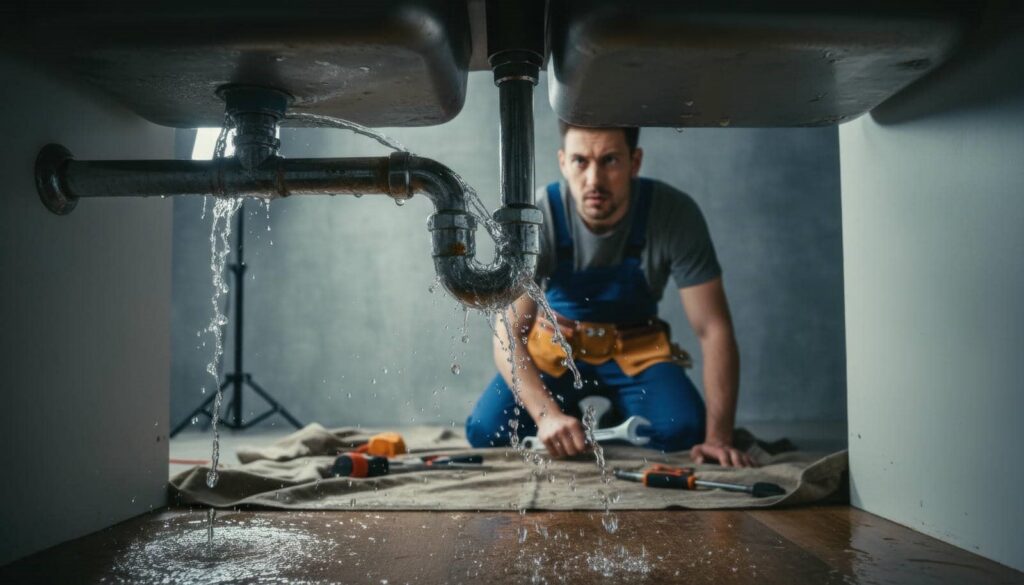
Evaluating water damage due to a burst pipe damage efficiently is vital for minimizing costs and restoring your property. Understanding the right strategies can make a difference. From initial inspections to essential tools, each step plays a role in effective damage evaluation. What should you prioritize first to ensure a thorough assessment?
Key Takeaways
- Conduct an initial visual inspection for visible signs of water damage, such as discoloration and mold growth, to identify affected areas.
- Utilize moisture detection equipment and infrared cameras to locate hidden leaks and assess moisture levels accurately.
- Document all findings meticulously, including structural integrity assessments, to guide repair efforts and support insurance claims.
- Follow safety protocols by shutting off water and electricity, wearing protective gear, and ensuring compliance with local regulations.
- Recognize when to seek professional help for complex issues, ensuring safety and long-term solutions through expert intervention.
Identifying Burst Pipe Damage Issues
Identifying burst pipe damage issues is essential for effective repairs and mitigation. You’ll want to start with leak detection methods to pinpoint the exact locations and severity of the damage.
Different pipe materials, such as PVC, copper, or galvanized steel, each react uniquely to pressure, temperature changes, and time. Understanding these nuances helps you assess potential vulnerabilities in your plumbing system.
Examine visible signs of water damage, such as discoloration or mold growth, which can indicate underlying issues. Additionally, consider utilizing advanced technologies like acoustic sensors or thermal imaging to enhance your detection efforts.
What Safety Steps Should You Take First?
After pinpointing the damage from burst pipes, your immediate focus should shift to safety.
First, make sure you follow established safety protocols. Turn off the water supply to prevent further flooding, and if there’s electrical equipment nearby, switch off the power to avoid electrocution risks.
Wear protective gear, including gloves and boots, to shield against contaminants. If the area is unsafe, evacuate immediately and contact emergency services.
Evaluating your emergency preparedness is essential; having a plan in place can save lives. Document the situation for insurance purposes without compromising your safety.
Initial Inspection: Where to Start
Where should you begin when evaluating damage from a burst pipe? Start with an initial assessment to identify the extent of the damage.
Look for visual indicators like water pooling, discoloration on walls or ceilings, and any peeling paint or wallpaper. These signs can reveal immediate damage and potential structural issues.
Pay attention to the surrounding environment; check for dampness in adjacent areas, which might indicate hidden leaks.
Document your findings meticulously, as this information will guide your next steps in the repair process.
Essential Tools for Assessing Burst Pipe Damage
To accurately assess burst pipe damage, you need reliable tools that provide clear insights.
Inspection camera technology allows you to visualize the internal condition of pipes, while moisture detection equipment identifies hidden leaks and damp areas.
Together, these tools enhance your ability to diagnose issues effectively and efficiently.
Inspection Camera Technology
Inspection camera technology plays an essential role in evaluating burst pipe damage, as it allows for precise visualization of internal conditions without invasive methods.
Different camera types, such as push cameras and robotic crawlers, offer distinct advantages depending on the pipe’s accessibility. Utilizing advanced inspection techniques, you can identify cracks, corrosion, and blockages efficiently.
High-resolution imaging enhances your ability to assess the severity of damage, guiding effective repairs. Furthermore, integrating video footage into your analysis fosters better communication with stakeholders, ensuring everyone understands the situation.
Moisture Detection Equipment
Moisture detection equipment is essential for accurately evaluating burst pipe damage and its impact on surrounding structures. By using moisture meters, you can quantify dampness levels, helping to identify areas affected by water intrusion.
Infrared cameras enhance your leak detection efforts, allowing you to visualize thermal variations indicative of moisture presence. Employing advanced detection techniques, like thermal imaging, provides a non-invasive way to assess damage without disturbing structures.
Moisture mapping further aids in pinpointing the extent of water damage, facilitating effective remediation strategies. Conducting a thorough dampness assessment ensures that you address all affected areas, preventing future issues.
Together, these tools empower you to make informed decisions, fostering an all-encompassing understanding of your environment’s integrity.
Key Areas for Water Damage Assessment
While evaluating water damage from a burst pipe, it’s essential to focus on specific key areas to ensure a complete evaluation.
First, inspect for water staining on walls and ceilings, as this can indicate the extent of moisture infiltration.
Next, assess the structural integrity of affected materials, such as drywall and wooden beams, to determine if they’ve been compromised.
Check insulation and flooring for signs of damage, as these areas can harbor hidden moisture.
Don’t overlook plumbing fixtures and connections; leaks here can exacerbate water damage.
Finally, monitor for mold growth, which can pose health risks and further structural issues.
How to Document Damage for Insurance Claims
Documenting damage from a burst pipe is essential for a successful insurance claim, as it provides the evidence necessary to support your case.
Start by taking clear, detailed photographs of the affected areas and items, ensuring you capture the extent of the damage. Make notes on the date of the incident and any immediate actions you took, like shutting off the water.
Collect receipts for any repairs or temporary fixes to include in your damage documentation. Additionally, compile any correspondence with your insurance company, as this may help streamline the claim process.
When to Call in the Professionals for Repairs
When evaluating burst pipe damage, recognizing signs of severe damage is essential; water pooling or structural instability indicates immediate action is needed.
If the repair involves complicated plumbing systems or requires specialized tools, it’s best to consult professionals.
Additionally, if you lack the necessary expertise to diagnose and fix the issue safely, don’t hesitate to call in qualified help.
Signs of Severe Damage
Recognizing the signs of severe damage in burst pipes is essential for preventing extensive water loss and structural harm.
If you notice water stains on walls or ceilings, it’s a clear indication of leaks that could escalate. Additionally, inspect for pipe corrosion; rust or pitting on the surface suggests that the pipe’s integrity is compromised.
You might also observe an increase in water bills without increased usage, which signals hidden leaks.
If you find yourself dealing with any of these signs, don’t hesitate to call in professionals. Timely intervention can mitigate further damage and save you significant repair costs down the line.
Complicated Repair Needs
Even if you’re handy around the house, complicated repair needs from burst pipes often require professional intervention.
When evaluating damage, you might encounter issues beyond your expertise, such as structural damage or intricate plumbing systems. In these situations, it’s essential to recognize when to call in professionals who can apply advanced repair techniques.
They possess the necessary tools and experience to conduct a thorough damage evaluation, ensuring that repairs are both effective and safe. Attempting to tackle these complex issues alone can lead to further complications or inadequate solutions.
Trusting skilled technicians resolves immediate problems and helps prevent future ones, fostering a sense of security and belonging within your community.
Lack of Expertise
While tackling minor plumbing issues might seem manageable, a lack of expertise can quickly escalate a situation involving burst pipes. You might underestimate the complexity of the damage, leading to costly mistakes.
When faced with significant leaks or structural concerns, it’s crucial to recognize the limitations of your skill development. Professional plumbers possess expert training that equips them to identify underlying issues and implement effective solutions.
Their experience ensures safety and compliance with local regulations, reducing the risk of future complications. Remember, calling in the professionals isn’t a sign of failure; it’s a proactive step towards maintaining the integrity of your home.
Prioritize your peace of mind by seeking qualified assistance when necessary.
Frequently Asked Questions
How Can I Prevent Future Burst Pipe Incidents?
To prevent future burst pipe incidents, ensure you use quality materials, perform regular maintenance, conduct pressure testing, schedule seasonal checks, and invest in professional inspections. Pipe insulation also plays an essential role in protection.
What Types of Pipes Are Most Prone to Bursting?
Imagine a home with aging PVC pipes; their vulnerabilities make them prone to bursting. Metal pipes, too, can fail due to fatigue. Regular inspections help you identify potential weaknesses before they become serious issues.
Are There Signs of a Potential Burst Before It Happens?
Yes, you can spot signs of a potential burst. Watch for pressure fluctuations and unusual noises in the pipes. These early warning indicators can help you address issues before they escalate into major problems.
How Does Temperature Affect Pipe Integrity?
Temperature extremes considerably weaken pipe integrity, with failures linked to thermal expansion. When temperatures fluctuate, pipes can expand and contract, leading to cracks or bursts, so monitoring conditions is essential for prevention.
Can I Handle Repairs Myself if I’m Experienced?
Yes, if you’re experienced, you can handle repairs yourself. Make certain you have the right repair tools and always follow safety precautions. Proper preparation and knowledge will help you successfully manage the repair process effectively.
Review
In evaluating burst pipe damage, you’re not just identifying issues; you’re ensuring safety and protecting your property. By conducting thorough inspections, utilizing advanced tools, and documenting findings, you’re laying the groundwork for effective repairs. When the situation escalates, calling in professionals can provide the expertise needed for a thorough solution. Remember, a proactive approach today can save you time, money, and stress tomorrow. Your diligence now can prevent further complications later.