
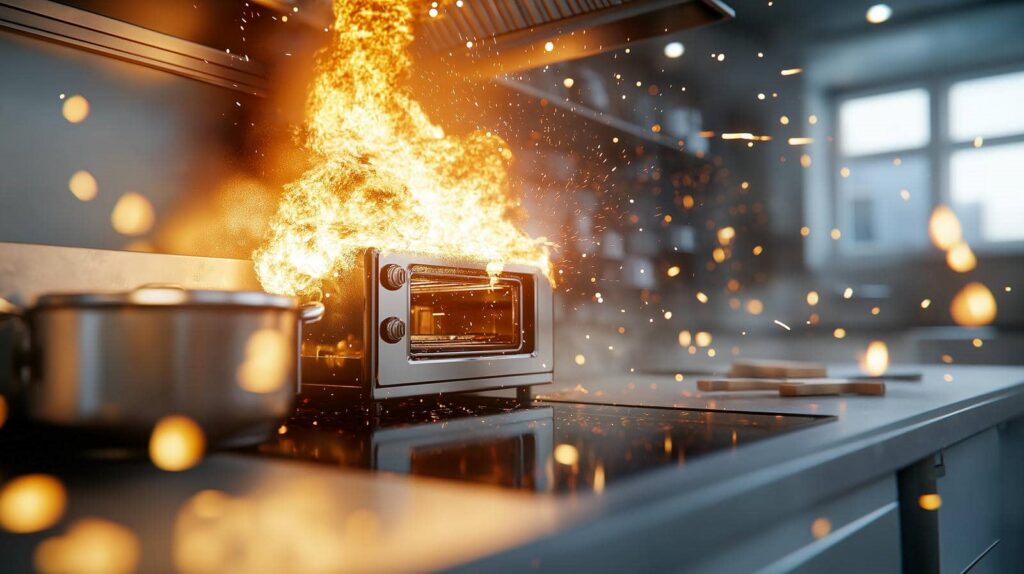
Many believe that recovering from fire and smoke damage is merely about cleanup, but it’s much more systematic than that. You need to prioritize safety, assess the damage, and document everything for insurance. Each step plays a vital role in your recovery process. Understanding how to navigate this can make a significant difference in restoring your property efficiently. So, what are the essential steps you should take to ensure a thorough damage recovery?
Key Takeaways
- Ensure safety first by following protocols and using protective gear before assessing damage and identifying hazards in the area.
- Document all damage with photos and an inventory list, including purchase dates and receipts for insurance claims.
- Use proper cleaning tools and techniques to address smoke damage, including HEPA vacuums and deodorizing agents.
- Maintain moisture control after cleanup with dehumidifiers and air movers to prevent further damage.
- Review and update your fire prevention strategies, including smoke alarms and escape plans, to enhance home safety.
First Things First: Assessing Damage and Ensuring Safety
When you’re faced with fire and smoke damage, it’s essential to assess the situation promptly to confirm your safety first.
Begin by following established safety protocols; verify the area is clear of hazards and that you’re equipped with proper protective gear.
Check for structural integrity and identify any lingering smoke or fire risks.
Conduct a thorough damage evaluation to understand the extent of the destruction. This helps you prioritize your next steps, whether it’s contacting professionals or securing your home.
Remember, addressing safety concerns immediately protects you and sets a solid foundation for the recovery process.
Your well-being is paramount, so take these initial actions seriously and efficiently.
Documenting Damage for Insurance Claims
When it comes to filing insurance claims after fire and smoke damage, thorough documentation is essential.
You’ll want to capture detailed visual evidence of the damage, maintain an organized inventory list of affected items, and document all communication with your insurance company.
This meticulous approach can streamline your claim process and help ensure you receive the compensation you’re entitled to.
Capture Detailed Visual Evidence
Capturing detailed visual evidence is essential for substantiating your insurance claims after fire and smoke damage. Effective photo documentation can make a significant difference in your recovery process. Start with a thorough visual assessment of all affected areas. Take clear, well-lit photos from multiple angles, ensuring you capture both the damage and any unique features.
Here’s a simple table to guide your documentation:
| Photo Type | Details to Include |
|---|---|
| Structural Damage | Focus on walls, ceilings, and floors |
| Contents Damage | Document personal belongings and items |
| Smoke Damage | Capture stains and residue |
Maintain Organized Inventory List
Creating an organized inventory list is essential for effectively documenting damage for insurance claims. Start by cataloging every affected item, noting its condition, and estimating replacement costs.
Use inventory management techniques to streamline this process; consider categorizing items by room or type for clarity. Organization strategies like spreadsheets or specialized apps can help you maintain a clear overview.
Don’t forget to include details such as purchase dates and receipts, as these bolster your claim’s credibility. Regularly update your inventory as you assess damages and make repairs, ensuring it remains accurate.
This proactive approach simplifies communication with your insurance provider and with the enhances your chances of receiving a fair settlement, providing you necessary support during recovery.
Document All Communication Records
As you navigate the recovery process, keeping thorough records of all communication with your insurance provider is vital. Effective communication strategies can greatly ease your claims experience.
Whenever you speak with an adjuster or representative, jot down the date, time, and details discussed. This practice helps in understanding your claim’s progress and builds a solid foundation for future interactions.
Maintain an organized record by saving emails, texts, and any documents related to your case. This transparency can expedite your claim and ensure you receive what you’re entitled to.
Clean Smoke Residue From Your Property
After a fire, it’s vital to assess the extent of the smoke damage to determine the best cleaning approach.
Using proper cleaning techniques can greatly reduce the lingering effects of smoke residue.
Assess Smoke Damage Extent
Evaluating the extent of smoke damage is essential for effective recovery, and you’ll need to act quickly.
Start by inspecting every room and surface to identify areas affected by smoke penetration. Pay close attention to walls, ceilings, and hidden spaces, as smoke can linger in the most unexpected places.
Note any discoloration or residue, which will help you determine the severity of the damage. Also, consider how deeply odors have permeated your property, as this will guide your odor removal strategies.
Document your findings thoroughly; this information is crucial for insurance claims and restoration efforts.
Use Proper Cleaning Techniques
Begin by gathering the right tools for cleaning smoke residue effectively. Using the proper cleaning products and restoration techniques can make a significant difference in your recovery process. Here’s what you’ll need:
Mild Detergent: Start with a solution to break down oily residue.
Sponges and Rags: Use these for gentle scrubbing without damaging surfaces.
Vacuum with HEPA Filter: This helps remove fine particles from carpets and upholstery.
Deodorizing Agents: Consider products specifically designed to neutralize smoke odors.
Once you have your tools, follow the manufacturer’s instructions carefully.
Remove Water From Firefighting Efforts After Fire Damage
Once the flames are extinguished, dealing with the excess water from firefighting efforts becomes vital for restoring your property. Proper water extraction methods are essential to prevent further damage and mold growth. Start by removing standing water using pumps or wet vacuums. Follow this with moisture control techniques, like dehumidifiers and fans, to ensure thorough drying.
| Water Extraction Methods | Moisture Control Techniques |
|---|---|
| Submersible Pumps | Dehumidifiers |
| Wet/Dry Vacuums | Air Movers |
| Squeegees | Desiccants |
| Extraction Wands | Ventilation Systems |
| Flood Barriers | Moisture Meters |
Taking swift action can make a significant difference in your recovery process, restoring not just your property, but your peace of mind.
Secure Your Property After Fire
After a fire, securing your property is essential to prevent further damage and unauthorized access. Taking immediate action ensures your safety and enhances property security.
Here’s how you can effectively secure your property:
Board Up Openings: Use plywood to cover broken windows and doors, protecting against weather and intruders.
Install Temporary Fencing: Set up barriers around the property to deter unauthorized entry.
Change Locks: Replace all locks to prevent access from anyone who may have keys.
Notify Authorities: Inform local law enforcement about the situation to increase patrols in the area.
Key Factors in Choosing Fire Damage Restoration Services
Choosing the right fire damage restoration service can greatly influence your recovery process, so it’s vital to take into account several key factors.
First, check their restoration credentials and verify they’ve the necessary certifications. Look for service reviews to gauge customer satisfaction and overall reputation.
Evaluate equipment quality; modern tools can speed up the restoration. Response time is significant, especially in emergencies, so choose a company that acts quickly.
Prioritize pricing transparency to avoid unexpected costs. Additionally, consider their insurance partnerships, which can simplify claims.
Finally, local expertise can make a difference, as they understand specific regulations and common issues in your area.
Together, these factors will help you find a reliable restoration service that meets your needs.
Preventing Future Fire and Smoke Damage
While the aftermath of a fire can be devastating, taking proactive steps can greatly reduce the risk of future fire and smoke damage.
Focus on solid fire prevention strategies to protect your home and loved ones. Here’s how you can enhance your safety:
Install smoke alarms in every room and test them monthly.
Create and practice a fire escape plan with your family, ensuring everyone knows their role.
Keep flammable materials away from heat sources and store them safely.
Schedule regular inspections for your heating systems and electrical wiring.
Frequently Asked Questions
How Long Does Fire Damage Restoration Typically Take?
Fire damage restoration typically takes a few days to several weeks, depending on the extent of damage. Understanding the fire restoration timeline and its phases helps you navigate the process effectively and efficiently.
Can I Stay in My Home During Restoration?
You shouldn’t stay in your home during restoration due to fire safety concerns. The restoration timeline varies, but ensuring your safety and well-being is the priority. Consider temporary accommodations for a secure recovery process.
What Should I Do With Damaged Belongings?
Assess the damage to your belongings first. Salvaging items depends on their condition and sentimental value. Take photos for insurance, then consult professionals to determine what’s worth restoring and what’s best to discard.
How Does Smoke Damage Affect My Health?
Smoke damage is like a hidden shadow, silently creeping into your health. Smoke inhalation risks can lead to long-term effects, affecting your lungs and overall well-being. Protect yourself—address these dangers swiftly and thoroughly.
Are There Financial Assistance Options for Fire Recovery?
Yes, you can explore financial assistance options like insurance claims for immediate support and government grants for long-term recovery. These resources can greatly help you rebuild and restore your life after a fire incident.
Wrap-Up
Recovering from fire and smoke damage requires a proactive and organized approach. For instance, consider a family in Texas who followed these steps after a kitchen fire; they documented the damage, hired professionals, and implemented fire prevention strategies. This not only expedited their recovery but also reduced stress. By prioritizing safety and thoroughness, you can effectively restore your property and safeguard against future incidents. Stay prepared, and you’ll navigate recovery with confidence.