
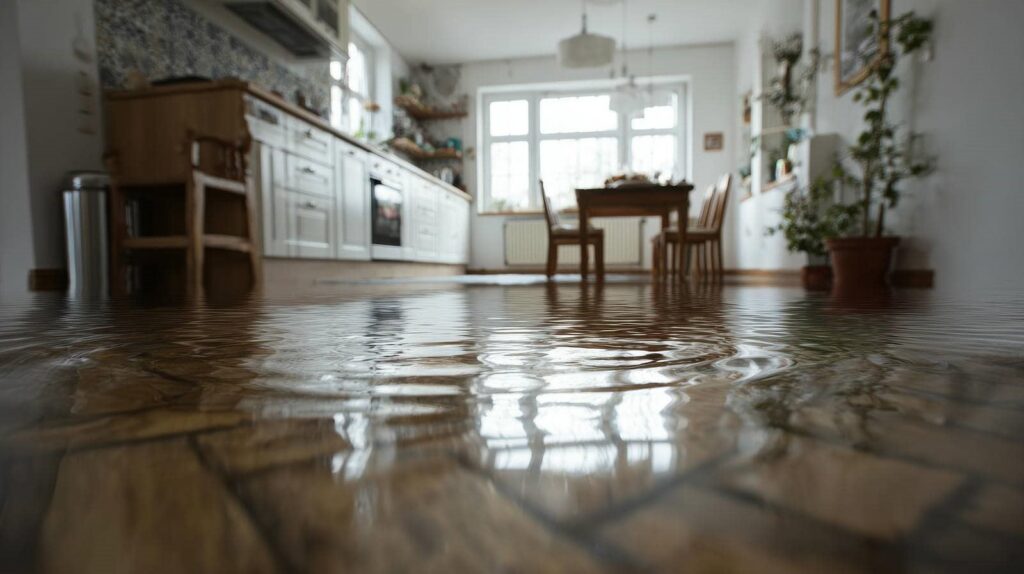
Many homeowners are unaware of the specific exclusions and limits in their policies, especially in flood-prone areas. Knowing what to do immediately after an incident can greatly influence your claim’s outcome. So, how do you navigate the complexities of these claims effectively? Let’s explore the essential steps you need to take.
Key Takeaways
- Understand your insurance policy’s coverage limits and exclusions to avoid surprises during claims processing.
- Document all damage with photographs and detailed records to support your insurance claim effectively.
- Act quickly by notifying your insurer and starting damage mitigation to prevent further issues, like mold growth.
- Be aware of common claim types, such as flood damage and mold remediation, to navigate the process smoothly.
- If your claim is denied, review documentation and policy limits, and consider appealing the decision with a clear communication strategy.
Understanding Water Damage Insurance Coverage
How well do you understand your water damage insurance coverage? Knowing the specifics can save you headaches later.
First, familiarize yourself with your policy exclusions; certain types of water damage, like flooding from outside, mightn’t be covered. Understanding these exclusions is vital for effective claims.
Next, pay attention to your coverage limits. These limits define the maximum amount your insurer will pay, which can vary based on your policy type. If your damage exceeds these limits, you’ll need to cover the difference.
Steps to Take Immediately After Water Damage
When you experience water damage, taking immediate action is essential. First, verify your safety by turning off electricity and gas if necessary.
Then, contact your emergency contact—this could be a trusted friend or family member—who can help you assess the situation.
Next, document the damage with photos for your insurance claim. Remove any valuable items from the affected area to prevent further loss.
If possible, start drying the area using fans or dehumidifiers to minimize mold growth.
Finally, reach out to a professional water damage restoration service for an immediate response. Acting quickly protects your property and strengthens your insurance claim, fostering a sense of community support in times of crisis.
Common Types of Water Damage Claims
While water damage can stem from various sources, understanding the common types of claims can help you navigate the insurance process more effectively.
One prevalent type is flood damage, which often requires specific coverage and can lead to significant financial losses. You’ll want to confirm your policy covers such events, especially if you live in a flood-prone area.
Another common claim involves damage from leaks or burst pipes, which can also lead to mold growth if not addressed quickly.
Mold remediation claims may arise when your insurer covers the costs of removing mold caused by water damage.
Documenting Your Water Damage
To effectively document your water damage, start by taking clear photographs of all affected areas.
Then, keep detailed records of the damage and any communications with your insurance company.
Finally, gather repair estimates to support your claim and ensure you have a thorough case.
Take Clear Photographs
Capturing clear photographs of the water damage is essential for your insurance claim. Use effective photograph techniques to ensure the damage is well-documented. Start with wide shots that capture the overall area, then zoom in on specific damage points. Organize your images methodically, labeling them by room or damage type to simplify your claim process.
| Shot Type | Description | Tips |
|---|---|---|
| Wide Shot | Overall damage view | Include surroundings |
| Close-Up | Detail of specific damage | Focus on affected items |
| Sequential | Progression of damage | Capture before and after |
These organized images will bolster your position, making it easier for the insurance adjuster to understand the extent of the damage.
Keep Detailed Records
Keeping detailed records is essential when dealing with water damage claims, as it strengthens your case considerably. Document everything—from the initial damage to your communications with your insurer.
Use clear claim terminology to describe the incident accurately, as this will help prevent misunderstandings. Note any policy exclusions that may impact your coverage, ensuring you’re aware of what’s not included.
Collect receipts for repairs or temporary accommodations, and keep a timeline of events. This thorough documentation will aid in substantiating your claim and can expedite the process.
Gather Repair Estimates
Once you’ve documented the damage, the next step involves gathering repair estimates. This is vital for your repair cost analysis and helps you understand the financial implications of the damage. Reach out to multiple contractors to ensure you get a range of estimates, aiding in informed contractor selection.
| Contractor Name | Estimated Cost | Repair Scope |
|---|---|---|
| ABC Renovations | $2,500 | Drywall & Flooring |
| XYZ Repairs | $3,000 | Plumbing & Drying |
| QuickFix Inc. | $2,800 | Mold Remediation |
| HomeRestore | $2,200 | Complete Restoration |
| Total Solutions | $3,500 | Structural Repairs |
Review these estimates carefully, as they’ll serve as essential documentation for your insurance claim.
Key Players in Water Damage Insurance Claims
In water damage insurance claims, several key players greatly impact the outcome.
Insurance adjusters assess the damage and determine the claim’s validity, while homeowners must fulfill their responsibilities in documenting the incident.
Additionally, contractors play an essential role in the repair process, influencing both timelines and costs.
Insurance Adjusters’ Role
While you navigate the complexities of water damage claims, understanding the role of insurance adjusters is essential. These professionals play a pivotal part in your claim process. Here’s how they contribute:
Assessment: Adjusters evaluate the damage to determine the payout amount.
Adjuster Communication: They serve as the main point of contact, facilitating important discussions between you and the insurance company.
Claim Negotiation: Adjusters negotiate settlements, ensuring you receive a fair offer based on your policy.
Documentation: They help gather and organize necessary documentation, which is vital for a smooth claims process.
Homeowners’ Responsibilities
Understanding your responsibilities as a homeowner is essential when dealing with water damage insurance claims. You’re not just a policyholder; you’re an active participant in the process.
First, prioritize regular home maintenance to minimize risks. Routine inspections can help identify leaks or weaknesses in your plumbing before they escalate.
When water damage occurs, document everything immediately—take photos and note the timeline. Notify your insurance company promptly, as delays can complicate your claim.
Additionally, implement preventive measures, such as using water sensors or installing sump pumps. By staying proactive, you protect your home and strengthen your position in the claims process.
Contractors’ Involvement
After addressing your responsibilities as a homeowner, it’s crucial to recognize the role contractors play in managing water damage insurance claims. Their expertise can greatly influence your claim’s success.
Here are key aspects to take into account during contractor selection:
Experience: Choose contractors with a solid track record in water damage repairs.
Licensing and Insurance: Verify they’re properly licensed and insured to protect yourself from liability.
Repair Timelines: Discuss realistic timelines for repairs to minimize disruption in your life.
Documentation: Confirm they provide thorough documentation of their work, which is essential for your insurance claim.
Communicating With Your Insurance Adjuster
Effective communication with your insurance adjuster is essential for a smooth claims process. Start by clearly outlining your claim expectations; this sets the tone for your discussions.
Provide thorough documentation of the water damage, including photos and repair estimates, to support your case. Be proactive in reaching out, and don’t hesitate to ask questions if something isn’t clear.
Keep your conversations focused and concise, ensuring you cover all necessary details without overwhelming them. Regular follow-ups can help keep your claim on track, reinforcing your commitment to the process.
What Happens During Your Claims Investigation?
Once you’ve communicated your expectations and provided necessary documentation, the claims investigation begins. This phase is essential in determining the outcome of your claim.
Here’s what to expect during the investigation:
Initial Assessment: An adjuster reviews your documentation and inspects the damage.
Interviews: They may ask you questions to gather more details about the incident.
Investigating Timeline: The adjuster will establish a timeline of events to understand the cause and extent of damage.
Final Report: After gathering all necessary information, they’ll compile a report that influences the claims process.
Understanding these steps can help you stay informed and engaged throughout the investigation, ensuring you navigate the claims process effectively.
Common Mistakes to Avoid in Claims
Steering through water damage insurance claims can be tricky, and avoiding common mistakes is essential for a successful outcome.
One major pitfall is misunderstanding coverage; make sure you fully grasp what your policy includes. Often, people overlook specific clauses that could affect their claims.
Another critical error is failing to report the damage promptly. Insurance companies typically require immediate notification to process your claim effectively. Delaying this step can lead to complications or even denial.
Additionally, keep thorough documentation—photos, repair estimates, and correspondence with your insurer. This evidence strengthens your case.
Appealing a Denied Water Damage Claim
Why did your water damage claim get denied? Understanding the denial reasons is essential for the appeal process. Here’s how to navigate it effectively:
Review Documentation Requirements: Verify all necessary paperwork, including photos and repair estimates, is submitted.
Understand Policy Limits: Familiarize yourself with your policy limits to avoid misunderstandings about coverage.
Develop Communication Strategies: Contact your insurer to clarify their reasons for denial and express your intent to appeal.
Set Timeline Expectations: Know the deadlines for submitting your appeal to keep the process on track.
If these steps don’t yield results, consider exploring your legal options.
Approaching your appeal methodically increases your chances of a successful outcome in the face of claim denials.
Frequently Asked Questions
How Long Do I Have to File a Water Damage Claim?
You typically have one to two years to file a water damage claim, depending on your policy. Keep organized documentation; meeting the claim timeline and documentation requirements is essential for a successful process.
Will My Premium Increase After Filing a Claim?
Yes, your premium might increase after filing a claim. Factors affecting this include your claims history and the severity of the damage. The claim process can impact your rates, so consider long-term effects before filing.
Can I Choose My Own Contractor for Repairs?
Yes, you can choose your own contractor for repairs. Confirm they meet necessary qualifications and provide accurate repair estimates. Your insurance may require approval, so check your policy details before proceeding with your choice.
What if the Damage Is Caused by a Natural Disaster?
If a natural disaster causes damage, your insurance policies may cover it, but check your specific terms. Some policies have exclusions, so understanding your coverage is essential for effective claims and repairs.
Are There Limits on My Coverage for Mold Damage?
Yes, there are limits on your coverage for mold damage. Review your policy for coverage exclusions and consider implementing mold prevention tips to mitigate risks and enhance your protection against potential claims.
Summary
Navigating water damage claims is like steering a ship through stormy seas—it’s essential to stay focused and informed. By understanding your coverage and documenting damage meticulously, you can chart a clearer course. Communicate effectively with your insurer and avoid common pitfalls to keep your claim afloat. If you encounter rough waters with a denied claim, don’t hesitate to appeal. With diligence and strategy, you can navigate these challenges and reach the shores of resolution.