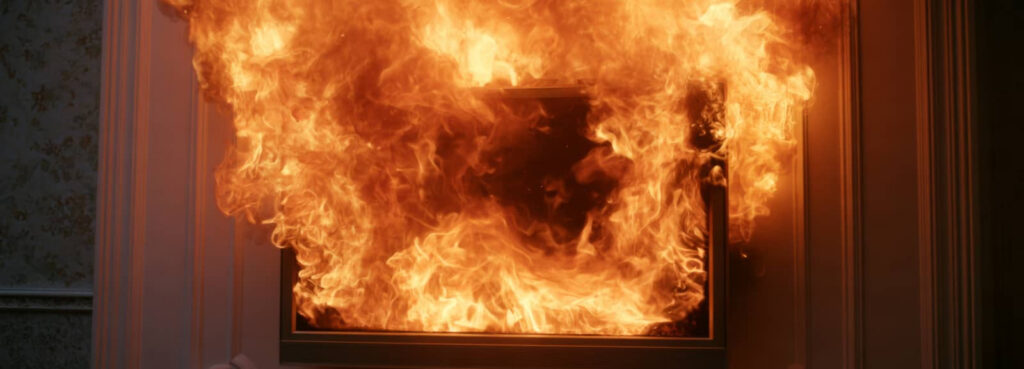
Like embers hidden in ash, smoke damage can continue affecting your property long after the flames are out. Smoke Damage Cleanup should begin right away because soot and acidic residue can stain surfaces, corrode materials, and spread odors through hidden spaces. Smoke can settle unevenly in walls, fabrics, and ductwork, while airborne particles may affect indoor air quality. The right response can help protect your property and reveal damage that may still be hidden beneath the surface.
Key Takeaways
- Smoke residue is acidic and continues damaging walls, furniture, and fixtures after the fire is out.
- Quick cleanup helps prevent permanent stains, corrosion, and lingering odors.
- Smoke spreads through rooms, HVAC systems, and hidden spaces, causing unseen contamination.
- Soot and airborne particles can irritate eyes, lungs, and skin, making cleanup a health priority.
- Professional restoration is often needed to remove deep residue and fully eliminate smoke odors.
Why Smoke Damage Cleanup Matters Right Away
Smoke damage cleanup matters right away because soot, acidic residue, and moisture can keep working long after the fire is out, causing faster deterioration of surfaces, fabrics, electronics, and structural materials.
You need an immediate response to limit permanent staining, corrosion, and odor retention. When you act quickly, you give your home the best chance to recover and protect the spaces where you and your family feel secure.
Certified technicians can assess damage, stabilize conditions, and start targeted cleaning that fits your restoration timeline. This approach helps you avoid avoidable replacements and supports a smoother return to normal.
You’re not facing this alone; a prompt, organized cleanup process gives you control, confidence, and a clearer path back to a safe, comfortable home.
How Smoke Damage Spreads Through Your Home
Once the fire is out, smoke doesn’t stay in one place—it moves quickly through rooms, wall cavities, HVAC systems, and porous materials, leaving soot and odor wherever air can travel.
You can trace its smoke path by checking ceilings, vents, insulation, fabrics, and hidden voids, because particles settle where airflow slows.
Hot smoke rises first, then cools and drops into lower areas, so damage often appears uneven.
That’s why your damage timeline matters: surfaces may look stable at first, then discolor, corrode, or hold odor as residues react with moisture and heat.
When you understand how smoke spreads, you can act with confidence, protect your home, and get your space back to a clean, familiar state sooner.
Smoke Damage Cleanup and Health Risks
When you begin smoke damage cleanup, you’re also addressing health hazards that can linger in soot, residue, and airborne particles.
These contaminants can reduce indoor air quality and irritate your eyes, lungs, and skin if you’re exposed without proper protection.
You can limit these risks by using controlled cleanup methods, ventilation, and appropriate respiratory protection.
Health Hazards
Even after the flames are out, cleanup can expose you to serious health risks from soot, ash, and airborne particles. When you disturb residue, you can inhale toxic compounds that irritate your eyes, skin, and lungs.
If you already have asthma, allergies, or other respiratory issues, you may notice coughing, wheezing, or shortness of breath sooner. You’ll protect yourself best by limiting direct contact, wearing proper protective gear, and working in short, controlled sessions.
Wash exposed skin, change clothing promptly, and keep children and pets away until surfaces are handled safely. You’re not overreacting by treating smoke-damaged areas as hazardous; you’re following sound health practice.
With careful cleanup, you can reduce exposure and restore your space with confidence.
Air Quality Risks
Smoke cleanup doesn’t just leave visible residue behind; it can also degrade indoor air quality for hours or days. You may breathe in airborne toxins from soot, ash, and off-gassing materials long after the flames are out.
These contaminants can irritate your eyes, throat, and lungs, and they often trigger respiratory issues in children, older adults, and anyone with asthma or allergies. You don’t have to face that risk alone.
When you remove damaged materials, ventilate thoroughly, and use professional filtration, you help restore safer air for everyone in your home. Acting quickly also limits how deeply smoke compounds settle into surfaces and HVAC systems.
With the right cleanup plan, you can protect your household and regain a healthier, more comfortable space.
What Smoke Residue Does to Walls and Fabrics
Ash and soot don’t just sit on the surface after a fire; they cling to paint, drywall, upholstery, and fibers, leaving behind acidic residues that can stain, corrode, and weaken materials over time.
You may see smoke residue as dull film, wall staining, or fabric discoloration, but the damage runs deeper than appearance. Porous materials absorb residue fast, and that lets contaminants settle into finishes, seams, and weaves.
You also get odor absorption, because the same particles lodge in microscopic spaces throughout your rooms. When you address these surfaces quickly, you protect the structure, preserve your belongings, and help your space feel like home again.
With the right cleanup approach, you’re not just removing grime—you’re restoring a safer, healthier environment for everyone who belongs there.
Why Smoke Odor Removal Takes More Than Airing Out
Although fresh air can reduce the obvious smell, it usually won’t remove smoke odor because odor-causing particles have already settled into drywall, insulation, fabrics, carpet padding, and HVAC components.
You need more than open windows to restore a healthy indoor environment. Professionals use odor absorption techniques, such as specialized deodorizers and sealing treatments, to target trapped compounds at the source.
They also rely on deep cleaning methods that lift residue from porous materials, textiles, and hidden airflow paths. This approach matters because smoke odor keeps circulating until every affected surface is treated.
When you address the full contamination load, you help your space feel truly clean again. You deserve a home that smells normal, supports comfort, and lets your family breathe easier together.
How Soot Causes Lasting Structural Damage
Soot does more than discolor surfaces; it can corrode metal, etch glass, stain finishes, and weaken building materials if it stays in place too long. You’re not just seeing dirt; you’re seeing acidic soot accumulation that attacks paint, drywall, insulation, wiring, and HVAC components.
As residue settles, it traps moisture and heat, which can accelerate deterioration and compromise structural integrity over time. You may notice flaking coatings, pitted fixtures, warped trim, and brittle surfaces before deeper damage appears.
When you act promptly, you protect the materials that hold your space together and preserve the comfort your home or business gives your people. A thorough response reduces hidden loss, limits repair costs, and helps your property stay sound, safe, and ready for you.
How to Start Smoke Damage Cleanup Safely
Before you start smoke damage cleanup, you need to assess safety first by checking for structural instability, hidden hotspots, and electrical hazards.
Once the area is confirmed safe, you should ventilate it to reduce airborne contaminants and help remove lingering smoke odors.
Then contain affected zones to prevent soot from spreading into clean rooms and worsening the damage.
Assess Safety First
Where do you start after a fire leaves behind smoke damage? You begin with a careful risk assessment before touching anything.
Put on safety equipment, including gloves, goggles, and a respirator, so you protect yourself from soot, ash, and sharp debris. Check for structural weakness, hot spots, exposed wiring, and water damage from firefighting efforts.
If you smell gas or see sagging ceilings, leave and call professionals. Stay out of unsafe rooms, and keep children, pets, and other occupants away until you’ve confirmed the area is stable.
- Inspect entry routes
- Identify active hazards
- Verify personal protection
- Document unsafe conditions
- Confirm the space is secure
Ventilate And Contain
Once the structure is safe to enter, start moving contaminated air out and fresh air in. Open windows and exterior doors when weather and security allow, then use fans to create crossflow that pushes smoke-laden air outside.
Keep HVAC systems off until you’ve inspected filters and ductwork, because they can spread soot through shared spaces. As you work, apply containment strategies with plastic sheeting and tape to isolate damaged rooms, protecting cleaner areas and helping your team stay organized.
Wear proper respiratory protection while you handle debris, and don’t let children, pets, or unprotected helpers enter the zone.
These ventilation techniques lower airborne particles, reduce odor, and prepare surfaces for detailed cleanup. You’re not doing this alone; careful control now sets your home up for a safer recovery.
When to Call a Smoke Damage Restoration Team
If smoke odor, soot, or residue remains after you’ve put out the fire, it’s time to call a smoke damage restoration team. You shouldn’t wait when stains, corrosive film, or hidden contamination start affecting your space.
Their smoke detection tools locate impacted areas you can’t see, and their restoration techniques remove residue safely.
- Wall and ceiling discoloration persists
- HVAC vents spread smoky air
- Electronics show soot buildup
- Fabrics retain a sharp odor
- Surfaces feel sticky after wiping
You deserve a team that knows how to restore your home with precision and care. They assess damage, protect materials, and guide you through the process so you don’t feel alone.
Prompt help limits further harm and supports a cleaner, safer recovery for everyone inside.
How to Prevent Lingering Smoke Damage
To prevent lingering smoke damage, you need to act quickly and clean each affected area before soot and acidic residue settle deeper into surfaces.
Start by ventilating the space, wearing protective gear, and removing porous items that trap odors.
Wipe hard surfaces with a smoke-safe cleaner, then dry them fully to stop corrosion.
Use HEPA filtration to capture fine particles and replace HVAC filters right away.
Inspect hidden spaces, including cabinets, ducts, and insulation, because smoke travels farther than you think.
Keep smoke detectors tested and replace batteries on schedule so you catch flare-ups early.
These preventative measures protect your home, restore comfort, and help you feel back where you belong after a fire.
Frequently Asked Questions
How Long Does Smoke Damage Cleanup Usually Take?
It usually takes you from a few hours to several days. Your cleanup timeline depends on damage size, materials, and soot spread. Professionals assess quickly, then guide the restoration process so you’re supported throughout.
Can Insurance Cover Smoke Damage Cleanup Costs?
Yes—your insurance policy often covers smoke damage cleanup costs if the fire’s covered. Like a safety net, it can soften the blow. You’ll need documentation, then your insurer can guide your cleanup process.
What Personal Items Can Be Restored After Smoke Exposure?
You can often restore photographs, clothing, hard-surface décor, and upholstered items with professional photograph restoration and furniture cleaning. You’ll also salvage books, electronics, and keepsakes if you act quickly and let specialists assess soot, odor, and heat damage.
Do HVAC Systems Need Professional Cleaning After Smoke Damage?
Yes, you should have HVAC systems professionally cleaned after smoke damage. You’ll protect HVAC maintenance, restore air quality, and prevent soot from recirculating. You deserve a safer, cleaner home, so trust certified technicians.
How Can I Tell if Smoke Damage Is Hidden Behind Walls?
You’ll notice it when a faint smoke odor lingers after cleaning, like in a hallway that still reeks. Use smoke odor detection and a wall inspection; dark seams, soot, and warped paint often reveal hidden damage.
Summary
Smoke damage cleanup matters because fire rarely stops when the flames do. If you leave soot and acidic residue behind, they keep working on your walls, fabrics, and air long after the fire is out. The irony is that “small” smoke stains can cause big, costly problems. Act quickly, clean safely, and call a restoration team when needed. You’ll protect your home, reduce health risks, and stop lingering damage before it spreads further.