
Filing a water damage insurance claim can feel like traversing a labyrinth, where one wrong turn can lead to frustration. To ensure your journey is smoother, it’s vital to understand your coverage and gather the right documentation. Knowing what your policy includes and how to present your case can make all the difference. So, how do you effectively prepare and submit your claim without pitfalls along the way? Let’s explore the essential steps to simplify this process.
Key Takeaways
- Understand your policy’s coverage for different water damage types to avoid unexpected exclusions and limits.
- Document all damage thoroughly with photos, lists, and receipts to support your claim effectively.
- Notify your insurance company immediately and keep records of all communications throughout the process.
- Submit your claim promptly to avoid delays and ensure that necessary mitigation efforts are documented.
- Be prepared to appeal any denied or underpaid claims; persistence can often lead to better outcomes.
What’s Your Water Damage Coverage Really About?
When it comes to water damage coverage, understanding the specifics of your policy can save you from unexpected costs and headaches down the line.
Different water damage types, such as sudden leaks, flooding, or sewer backups, may be treated distinctly by your insurer. You need to know what’s included and what’s excluded.
Pay close attention to coverage limits; these will dictate how much financial support you’ll receive after a claim. For instance, some policies may cover certain types of damage but cap the payout at a specific amount.
Familiarizing yourself with these details ensures you’re prepared and can prevent unpleasant surprises when you need help the most. Knowledge is power, especially when facing the complexities of insurance.
Effective Ways to Document Water Damage for Your Claim
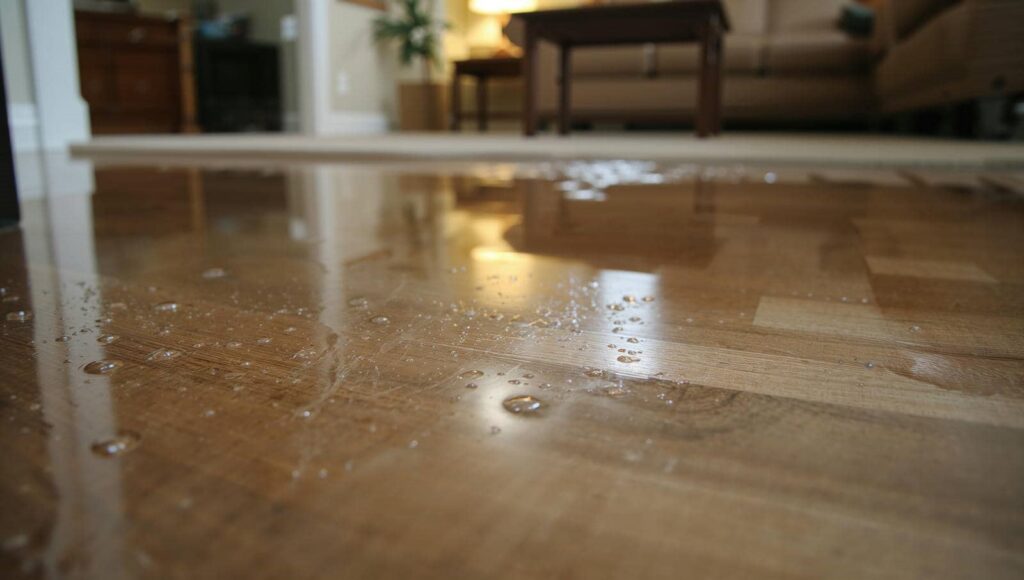
Documenting water damage effectively is essential for a successful insurance claim. Start by taking clear photo evidence of the affected areas, ensuring you capture different angles and any visible damage. This visual documentation will provide a concrete representation of your situation.
Next, conduct a thorough damage assessment, noting the extent of the damage to walls, flooring, and personal property. Create a detailed list of items that are damaged or ruined, including their estimated value. Include any receipts or purchase documents you may have.
Keeping a timeline of events—from the moment of the incident to your documentation—also helps clarify your case. This organized approach strengthens your claim and enhances your credibility with the insurance company.
How to File a Water Damage Insurance Claim
Filing a water damage insurance claim can seem intimidating, but understanding the process simplifies it considerably. Start by notifying your insurance company immediately; they’ll guide you through the claim process.
Prepare your documentation, including photos and repair estimates, to support your claim effectively.
Be aware of common challenges, such as policy limits or exclusions that might affect your coverage. Keep a record of all communications, as this can help resolve disputes later.
If your claim is denied or underpaid, don’t hesitate to appeal; persistence often pays off.
Finally, consult with professionals if necessary. By following these steps and staying organized, you can navigate the claim process confidently, ensuring you receive the support you need.
Top Mistakes Homeowners Make in Water Damage Claims
Have you ever considered how easily mistakes can derail your water damage insurance claim? Many homeowners fall prey to common misconceptions that can affect their claim timeline.
Here are some top mistakes to avoid:
Not documenting damages: Photos and notes are essential.
Delaying your claim: Acting quickly can speed up the process.
Failing to read your policy: Know what’s covered and what’s not.
Ignoring mitigation efforts: Take steps to prevent further damage.
Overlooking professional help: An adjuster can guide you through the complexities.
What Happens After You File Your Claim?
Once you submit your water damage insurance claim, the process kicks into gear, and several key steps unfold.
First, your insurer will assign an adjuster who’ll review your claim. This is where the adjustment timeline begins—typically, you’ll hear from them within a few days. They’ll assess the damage, often scheduling a visit to your property to gather evidence and details.
Next, they’ll compile a report and determine the extent of your coverage. You may need to provide additional documentation, so stay responsive.
Throughout this claim process, communication is key; maintain contact with your adjuster for updates.
Finally, once everything’s evaluated, you’ll receive a decision on your claim, helping you move forward with necessary repairs.
Frequently Asked Questions
How Long Do I Have to File a Water Damage Claim?
You typically have one to two years to file a water damage claim, depending on your policy. Understanding the claim timeline helps you navigate the filing process effectively, ensuring you don’t miss important deadlines.
Will My Premiums Increase After Making a Claim?
Yes, your premium rates might increase after a claim, especially if you have a history of multiple claims. Insurers often assess your claim history to determine how likely you are to file again.
Can I Choose My Own Contractor for Repairs?
Yes, you can choose your own contractor for repairs. Selecting a trusted contractor symbolizes your control in the repair process, ensuring your home’s restoration aligns with your vision and needs, fostering a sense of belonging.
What if My Insurance Claim Is Denied?
If your claim’s denied, you can start the claim appeal process. Gather documentation tips like repair estimates and photos. Present a clear case to your insurer, demonstrating why the claim should be reconsidered.
Are There Any Exclusions for Specific Types of Water Damage?
Yes, there are exclusions. Most policies don’t cover flood damage or gradual leaks. You’ll need specific flood insurance for flood-related issues, while sudden leaks often fall under standard coverage, provided they meet your policy’s criteria.
Final Thoughts
In today’s fast-paced world, maneuvering the waters of insurance claims can feel overwhelming. However, by understanding your coverage, documenting damage effectively, and avoiding common pitfalls, you can simplify the process. Remember, persistence pays off, especially when facing initial setbacks. Think of your claim as planting a seed; with care and attention, it can grow into the support you need. Stay organized and proactive, and you’ll be better equipped to handle any water damage challenges that come your way.