
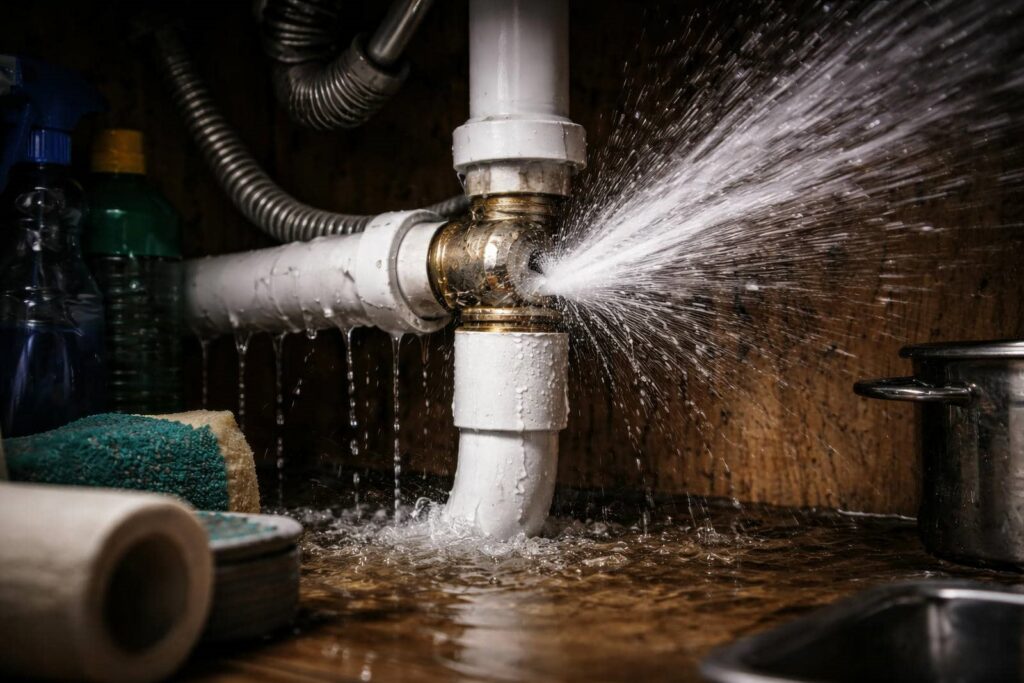
Did you know that the average home can contain hidden moisture for weeks after a burst pipe incident? To effectively address this issue, you’ll need a range of specialized tools. From high-velocity air movers to advanced moisture detection equipment, each piece plays an important role in the burst pipe cleanup process. Understanding which tools are essential can greatly influence the efficiency and effectiveness of your restoration efforts. Let’s explore the must-have equipment for best results.
Key Takeaways
- Electronic Leak Detectors accurately locate leaks without invasive methods, streamlining the initial assessment process for burst pipes.
- Water Extraction Pumps are essential for swiftly removing standing water, preventing further damage and facilitating efficient cleanup.
- High-Velocity Air Movers enhance drying speed by promoting rapid evaporation of moisture in affected areas.
- Dehumidifiers effectively reduce humidity levels, creating optimal conditions for drying and preventing mold growth.
- Protective Safety Gear is crucial for ensuring worker safety during cleanup, protecting against contaminants and hazardous conditions.
Identifying Burst Pipes: Essential Tools to Use
Identifying burst pipes quickly is essential for minimizing water damage, and having the right tools on hand can make all the difference. For effective leak detection, consider using electronic leak detectors. These devices can pinpoint leaks without invasive pipe inspection, saving you time and potential damage.
Infrared cameras are also invaluable; they reveal temperature changes that indicate moisture issues. Additionally, acoustic sensors can help you listen for the sounds of escaping water, providing another layer of insight.
Combine these tools with a moisture meter to assess affected areas accurately. By having these essential tools at your disposal, you’ll foster a proactive approach to managing plumbing issues, ensuring you belong to a community that values preparedness and efficiency in water damage prevention.
Must-Have Equipment for Water Extraction
When tackling water extraction after a burst pipe, you’ll need essential equipment to ensure an effective cleanup.
Key items include powerful water extraction pumps, advanced moisture detection tools, and efficient drying equipment solutions.
Each of these tools plays a vital role in minimizing damage and restoring your space quickly.
Essential Water Extraction Pumps
To effectively manage the aftermath of a burst pipe, having the right water extraction pumps is vital. Familiarizing yourself with various water pump types can make a significant difference in efficiency.
Submersible pumps, for instance, excel in quickly removing water from flooded areas, while utility pumps are perfect for smaller jobs. When selecting an extraction pump, consider key features such as flow rate, portability, and durability.
A high flow rate ensures rapid water removal, essential in preventing further damage. Additionally, lightweight and portable designs enhance maneuverability, allowing you to reach tight spaces easily.
Advanced Moisture Detection Tools
| Tool Type | Description |
|---|---|
| Moisture Meters | Measures moisture content in materials. |
| Thermal Imaging | Detects temperature variations to find moisture. |
| Hygrometers | Measures humidity levels in the air. |
| Infrared Cameras | Visualizes moisture presence in walls and ceilings. |
Investing in these tools enhances your efficiency and builds trust with clients who rely on your expertise for thorough cleanup and restoration.
Efficient Drying Equipment Solutions
Effective drying equipment is essential for minimizing damage after a burst pipe incident, as it accelerates the water extraction process and helps prevent mold growth.
Utilizing advanced drying techniques, like high-velocity air movers and dehumidifiers, allows you to target moisture effectively. Air movers circulate air, promoting faster evaporation, while dehumidifiers extract excess moisture from the environment. Together, these moisture solutions create an ideal drying environment, reducing the risk of secondary damage.
Additionally, consider using infrared heaters to enhance drying efficiency in colder areas. By equipping yourself with the right drying equipment, you safeguard your property and foster community resilience, ensuring everyone can recover swiftly from water-related crises.
Top Drying Methods to Prevent Mold Growth
To effectively prevent mold growth after a burst pipe, you need to implement efficient drying methods.
Utilizing air movement techniques, dehumidification strategies, and thermal imaging applications will help ensure all moisture is eliminated.
Each method plays a vital role in maintaining a dry environment and safeguarding your property.
Air Movement Techniques
While managing a burst pipe cleanup, employing effective air movement techniques is essential to ensure rapid drying and prevent mold growth. You can optimize airflow management through proper ventilation techniques, ensuring that moisture is quickly dissipated. Here are some top methods to enhance air movement:
| Technique | Description | Benefits |
|---|---|---|
| High-Velocity Fans | Directs airflow to damp areas | Accelerates drying process |
| Air Scrubbers | Filters air while drying | Reduces airborne contaminants |
| Duct Ventilation | Utilizes existing ductwork | Efficient air distribution |
| Portable Blowers | Easy to position | Targets specific wet areas |
| Cross Ventilation | Natural airflow enhancement | Cost-effective and efficient |
Implementing these techniques will create an environment conducive to rapid drying, minimizing mold growth risks.
Dehumidification Strategies
Three key dehumidification strategies can markedly reduce moisture levels and prevent mold growth during a burst pipe cleanup.
First, utilize commercial dehumidifiers to rapidly extract moisture from the air, ensuring you achieve significant dehumidification benefits.
Next, implement effective condensation control by maintaining indoor temperatures and airflow, which discourages moisture buildup on surfaces.
Finally, monitor humidity levels regularly with hygrometers, helping you adjust your approach as needed to keep the environment dry.
By integrating these strategies, you create a safer space that fosters a sense of belonging, allowing you and others to recover more effectively from water damage.
Prioritizing these methods will protect your property and enhance overall health and comfort.
Thermal Imaging Applications
When managing a burst pipe cleanup, thermal imaging applications can play an essential role in identifying hidden moisture that might lead to mold growth.
By using thermal imaging, you can quickly locate areas of excess moisture that are invisible to the naked eye, allowing for targeted drying efforts.
The thermal imaging benefits include enhanced accuracy and efficiency in moisture detection, which helps prevent mold before it starts.
However, it’s important to understand the thermal imaging limitations; it can’t differentiate between types of moisture or penetrate certain materials effectively.
Consequently, while it’s a powerful tool in your arsenal, combining it with other methods ensures a thorough approach to mold prevention during cleanup.
Cleanup Supplies for Tackling Water Damage
To effectively tackle water damage from a burst pipe, having the right cleanup supplies on hand is essential. These tools streamline the cleanup process and ensure you address all aspects of the damage efficiently. Here’s a quick reference table to guide your preparations:
| Supplies | Purpose |
|---|---|
| Wet/Dry Vacuum | Removes standing water |
| Dehumidifier | Reduces humidity and moisture |
| Mold Inhibitor Spray | Prevents mold growth |
| Towels and Rags | Soaks up excess water |
| Protective Gloves | Keeps your hands safe during cleanup |
Equipping yourself with these supplies expedites your efforts and fosters a sense of community as you effectively restore your space. Get prepared, and tackle that water damage head-on!
Essential Safety Gear for Cleanup Workers
Cleanup after a burst pipe can expose workers to hazardous conditions, making essential safety gear critical. To ensure safety during the cleanup process, you should equip yourself with the following:
Protective Clothing: This shields against contaminants and wet environments, reducing the risk of skin irritation and injury.
Safety Goggles: Protect your eyes from debris and splashes, as water may contain harmful substances.
Respiratory Masks: These safeguard against inhaling harmful particles, especially in mold-prone areas.
Don’t forget to wear rubber gloves, hard hats, and slip-resistant boots for added protection.
Having first aid and emergency kits on hand is also essential, making sure you’re prepared for any unexpected incidents.
Prioritizing safety gear keeps you and your team secure during the cleanup.
How Tech Can Help You Monitor and Restore
Utilizing advanced technology can greatly enhance your ability to monitor and restore areas affected by a burst pipe. By leveraging monitoring technology and restoration software, you can ensure a swift and efficient response. Data analytics provides insights, while real-time alerts keep you informed of potential issues. Remote sensing and environmental sensors allow for thorough assessments without invasive procedures. Predictive maintenance can help prevent future incidents, and automated reporting streamlines your workflow.
| Technology Type | Key Features | Benefits |
|---|---|---|
| Monitoring Technology | Real-time alerts | Immediate response |
| Restoration Software | Automated reporting | Efficiency in processes |
| Environmental Sensors | Remote sensing | Non-invasive assessments |
Frequently Asked Questions
How Can I Prevent Burst Pipes in the Future?
To prevent burst pipes, install pipe insulation, monitor temperatures, and perform regular maintenance. Additionally, ensure pressure regulation within your plumbing system. These steps help you maintain a safe, efficient home environment and avoid costly repairs.
What Insurance Covers Burst Pipe Damage Cleanup?
About 14,000 people experience a water damage emergency daily. Most homeowners’ insurance covers burst pipe damage cleanup, but check your policy for specifics. Understanding your coverage helps you navigate insurance claims efficiently and effectively.
How Long Does Burst Pipe Cleanup Usually Take?
Cleanup duration for burst pipe damage typically ranges from a few hours to several days, depending on the extent of the damage and the area affected. You’re better off acting quickly to minimize further risks.
Can I Do Burst Pipe Cleanup Myself?
Yes, you can handle DIY cleanup for a burst pipe. However, make certain you’ve got proper emergency response measures in place. Assess the damage and take safety precautions to protect yourself and your home effectively.
What Are the Signs of Hidden Water Damage?
You’ll notice hidden water damage through water stains on walls, ceilings, and floors, along with unexpected mold growth. Isn’t it ironic how something so subtle can cause such significant problems if you ignore it?
Conclusion
Having the right tools for burst pipe cleanup is like having a well-tuned orchestra: each piece plays an essential role in restoring harmony to affected areas. From water-extraction pumps to advanced moisture detection, these specialized instruments ensure effective remediation and prevent further damage. By prioritizing safety gear and employing innovative technology, you can tackle water damage with confidence and efficiency, ultimately safeguarding your property against future issues.