
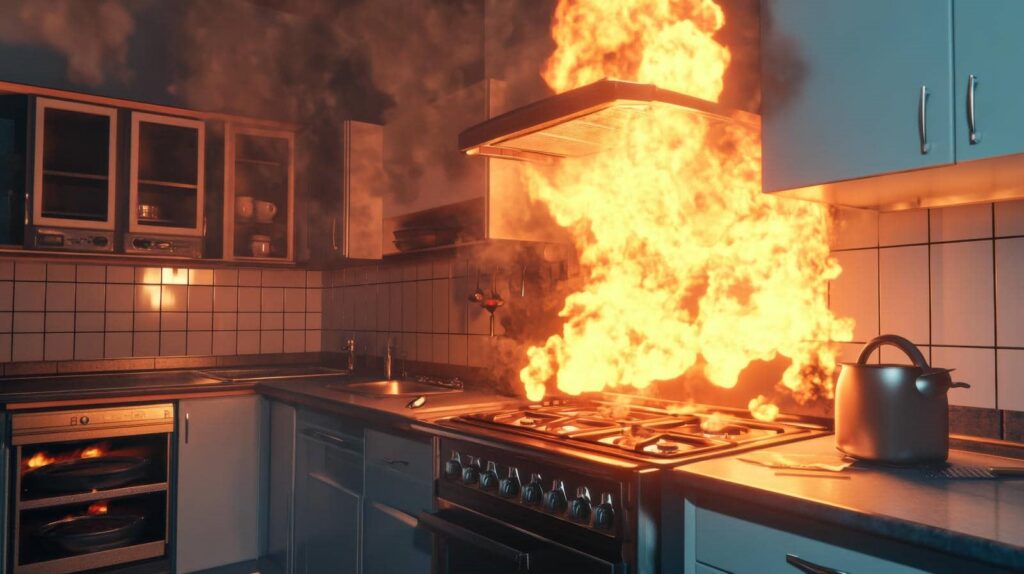
When faced with fire and smoke damage, you need a methodical approach to guarantee a thorough smoke restoration. Start by evaluating and securing the area to protect yourself and document vital findings. Cleanup requires specialized tools to tackle smoke residue effectively. Understanding when to call in professionals can be vital. Implementing safety measures post-restoration will help prevent future incidents. Let’s explore these essential steps to guarantee your environment is not just restored but also safe.
Key Takeaways
Conduct a thorough assessment of fire damage, documenting affected areas and materials for accurate restoration planning and insurance claims.
Secure the area by establishing a fire perimeter, marking it clearly, and ensuring structural integrity before allowing access.
Utilize high-quality cleaning agents and techniques to remove smoke residue and odors, improving air quality throughout the affected space.
Recognize signs of severe damage, such as warped structures or smoke penetration, and consult professionals for timely intervention.
Implement long-term fire safety measures, including regular smoke alarm checks and a clear fire escape plan for all household members.
How to Assess Fire and Smoke Damage: A Step-by-Step Guide
When evaluating fire and smoke damage, it’s essential to follow a systematic approach to guarantee nothing is overlooked.
Start with a thorough fire damage analysis, documenting all affected areas and materials. Check structural components, including walls, ceilings, and floors, for charring or warping.
Next, perform a smoke residue examination by inspecting surfaces for soot and odor. Use specialized equipment to identify hidden damage, especially in HVAC systems.
Record your findings meticulously, noting the severity of damage and the specific materials involved. This detailed documentation not only assists in restoration planning but also helps in insurance claims.
First Things First: How to Secure the Area After a Fire
Securing the area after a fire is essential to guarantee safety and prevent further damage.
First, establish a clear fire perimeter to keep unauthorized individuals away. This perimeter should be marked with visible barriers and warning signs.
Next, follow safety protocols to assess structural integrity, checking for hazards like weakened walls or exposed wiring. Confirm that all gas lines are shut off, and if necessary, call in professionals to handle any dangerous materials.
Document the scene with photographs for insurance claims, but don’t disturb evidence.
Finally, maintain communication with emergency responders and local authorities to stay updated on safety measures.
Essential Tools and Techniques for Cleaning Up
Before diving into the cleanup process, having the right tools and techniques at your disposal is essential for effective fire and smoke restoration.
Start with a thorough damage assessment to identify affected areas. Use high-quality cleaning agents and restoration equipment specifically designed for smoke removal and soot extraction.
Employ ventilation techniques to clear smoke odors and improve air quality. Always adhere to safety protocols, including wearing protective gear and ensuring proper airflow.
Establish a realistic timeline for restoration to keep the process organized and efficient.
When to Call in the Experts for Fire Restoration?
When evaluating fire damage, you’ll need to recognize signs of severe destruction that may require professional intervention.
Additionally, consider health risks associated with smoke and soot exposure, which can be hazardous without proper equipment and expertise.
If you’re managing insurance claims, experts can streamline the process and guarantee you receive adequate coverage for restoration efforts.
Signs of Severe Damage
Identifying signs of severe damage after a fire is essential for determining whether you need to call in restoration experts.
Look for structural issues, such as warped walls or ceilings, which indicate intense fire behavior. Check for smoke penetration in walls and hidden spaces; this can lead to lingering odors and health risks.
Discoloration on surfaces and charred materials are clear indicators of extensive damage. If you notice electrical malfunctions or water damage from firefighting efforts, it’s vital to consult professionals.
They’ve the expertise to assess the situation accurately and implement effective restoration strategies. Don’t underestimate the importance of timely intervention; the longer you wait, the worse the damage may become.
Health Risks Assessment
Understanding the extent of fire damage goes beyond visible destruction; it includes evaluating potential health risks associated with smoke and soot exposure. You should assess whether lingering contaminants could affect your indoor air quality.
If you notice persistent odors or respiratory issues, it’s time to call in experts. They’ll employ effective ventilation techniques to clear out harmful particles, ensuring a safer environment.
Moreover, it’s essential to follow respiratory precautions, especially for vulnerable individuals such as children or the elderly. Professionals can provide specialized equipment and methods to mitigate these risks effectively.
Insurance Claim Assistance
Steering the insurance claim process after a fire can be complex, especially if you’re unfamiliar with the specifics involved in restoration. Understanding your insurance policy is essential; review documentation requirements to avoid delays.
Know your coverage limits, as these dictate what you can claim. Communicate effectively with your adjuster to clarify any questions and guarantee all necessary details are submitted.
Be aware of deductible impact and how it affects your final payout. Set realistic timeline expectations, as claims can take time to process.
Watch for potential claim denial due to policy exclusions, and consider additional living expenses if you’re temporarily displaced. Knowing when to call in experts can help navigate these intricacies and support a smoother recovery.
How to Remove Smoke Odor Effectively
To effectively eliminate smoke odor, you’ll need to follow a systematic approach that targets the source and penetrates the affected materials.
Start by using smoke absorption methods, like activated charcoal or baking soda, to draw out odors from porous surfaces. Place these agents in affected areas and allow them to sit for several hours.
Next, apply odor neutralizing agents, such as enzyme-based cleaners, which break down odor molecules. Focus on fabrics and upholstery, as these tend to retain smoke smell.
Use a professional-grade fogger to disperse neutralizers into hard-to-reach areas.
Finally, guarantee proper ventilation. Open windows and use fans to circulate fresh air, expediting the odor removal process.
Consistency in these methods will restore your space effectively.
Repairing Walls and Ceilings After Fire Damage
Once you’ve tackled the smoke odor, addressing the damage to walls and ceilings is essential for restoring your space.
Start by evaluating the extent of the damage. For minor issues, clean the surfaces with a mixture of water and detergent. If you notice charring or deep stains, you’ll need to take into account wall treatments like drywall replacement or plastering.
For ceiling repairs, remove any damaged tiles or panels; verify the structural integrity is intact before proceeding. After repairs, apply a primer to seal any remaining odors before repainting.
Choose durable, fire-resistant finishes to enhance safety and aesthetics. Following these steps not only restores your home’s appearance but also fosters a sense of belonging and comfort in your environment.
How to Salvage and Clean Personal Belongings After a Fire
Although salvaging and cleaning personal belongings after a fire can feel overwhelming, a systematic approach can help restore your cherished items.
Start by evaluating the damage; separate salvageable from unsalvageable items. For electronics, make sure they’re unplugged and avoid powering them on until a professional inspects them.
Gently clean surfaces with a dry cloth to remove soot, but avoid using water initially to prevent further damage.
For textiles, such as clothing and upholstery, immediately air them out. If possible, wash textiles in a gentle cycle with a specialized detergent designed for smoke damage.
Utilize professional cleaning services for valuable or delicate items, guaranteeing their restoration without compromising integrity.
This meticulous process can greatly enhance your belongings’ recovery.
Fire Safety Tips to Prevent Future Damage
Implementing effective fire safety measures is essential for preventing future damage and safeguarding your home. Here are three key fire prevention strategies to adopt:
- Regular Smoke Alarm Maintenance****: Test your smoke alarms monthly and replace batteries at least once a year.
Confirm alarms are installed in every sleeping area and on each level of your home.
Create a Fire Escape Plan: Design a clear plan that includes multiple exit routes and practice it with your family.
Manage Flammable Materials: Store flammable liquids in approved containers, away from heat sources, and keep your home clutter-free to minimize fire hazards.
Ensuring Long-Term Safety After Fire Restoration
After a fire restoration, it’s crucial to guarantee long-term safety to prevent future incidents and protect your property.
Begin with long-term monitoring of the restored areas to identify any potential issues early. Regular inspections help guarantee that materials maintain their durability, particularly in high-risk environments.
Utilize fire-resistant materials during repairs and upgrades, reinforcing your property’s resilience. Implement a routine maintenance schedule, addressing any wear or damage promptly.
Additionally, educate your household about fire safety protocols to foster a culture of awareness. By prioritizing these actions, you create a secure living space that minimizes risks and enhances peace of mind.
Guaranteeing long-term safety isn’t just about restoration; it’s about building a foundation for a safer future.
Final Thoughts on Health and Safety Post-Restoration
After restoration, monitoring air quality is essential to guarantee a safe environment.
You’ll need to follow protective gear guidelines to minimize exposure to any residual contaminants.
Implementing these measures helps protect your health and safety in the restored space.
Air Quality Monitoring
How can you guarantee that your indoor air quality is safe after fire and smoke restoration? Air quality monitoring is essential in this process. By using the right monitoring equipment, you can confirm that your environment remains healthy.
Here are three key steps to follow:
Install Air Quality Sensors: Use sensors that detect particulate matter, volatile organic compounds, and carbon monoxide to get accurate readings.
Conduct Regular Testing: Schedule routine air quality tests to identify any lingering contaminants** or allergens.
Implement Ventilation Strategies: Confirm adequate ventilation to disperse any harmful particles and maintain a breathable atmosphere.
Protective Gear Guidelines
When engaging in fire and smoke restoration, ensuring your safety is paramount, and that starts with proper protective gear. Always wear appropriate protective equipment, including N95 respirators, gloves, and goggles, to shield yourself from harmful particles and chemicals.
Follow established safety protocols, like ensuring your gear is intact and suitable for the task. Consider using coveralls to prevent contamination of your clothing. Additionally, be mindful of heat resistance and durability—your gear should withstand the rigors of the environment.
Regularly inspect your equipment and replace any damaged items immediately. By adhering to these guidelines, you not only protect yourself but also foster a culture of safety within your team, ensuring everyone feels secure and valued during the restoration process.
Frequently Asked Questions
How Long Does Fire Restoration Typically Take?
Fire restoration typically takes one to three weeks, depending on the extent of damage. The fire damage timeline involves assessment, cleanup, and repairs, ensuring a thorough restoration process that returns your space to its original condition.
Can I Live in My Home During Restoration?
Think of your home as a ship undergoing repairs. You might need temporary housing during restoration, as safety precautions are vital. Staying elsewhere guarantees you avoid hazards while the crew works diligently to restore your haven.
What Insurance Coverage Applies to Fire Damage?
Your fire insurance types, like dwelling and personal property coverage, apply to fire damage. Check your policy limits to guarantee adequate coverage, as they dictate how much you can claim for repairs and replacements.
How Do I Choose a Reputable Restoration Company?
Choosing a reputable restoration company isn’t just about cost. Verify restoration credentials, read customer reviews, and guarantee they offer a detailed plan. Trustworthy companies prioritize transparency, making you feel secure throughout the restoration process.
Will My Home’s Value Decrease After Fire Damage?
Yes, fire damage can decrease your home’s value due to its impact on property appraisal. The extent of damage, repairs undertaken, and market conditions will all influence the final assessment of your property’s worth.
Final Thoughts
In the aftermath of fire and smoke damage, your proactive measures can be the lifeline to restoring your home and well-being. By meticulously following these steps, you’re not just mending walls and possessions; you’re rebuilding your peace of mind. Remember, the essence of safety lies not only in restoration but in prevention. So, as you take charge, ask yourself: what’s more valuable than the comfort of knowing you’ve fortified your home against future threats?