
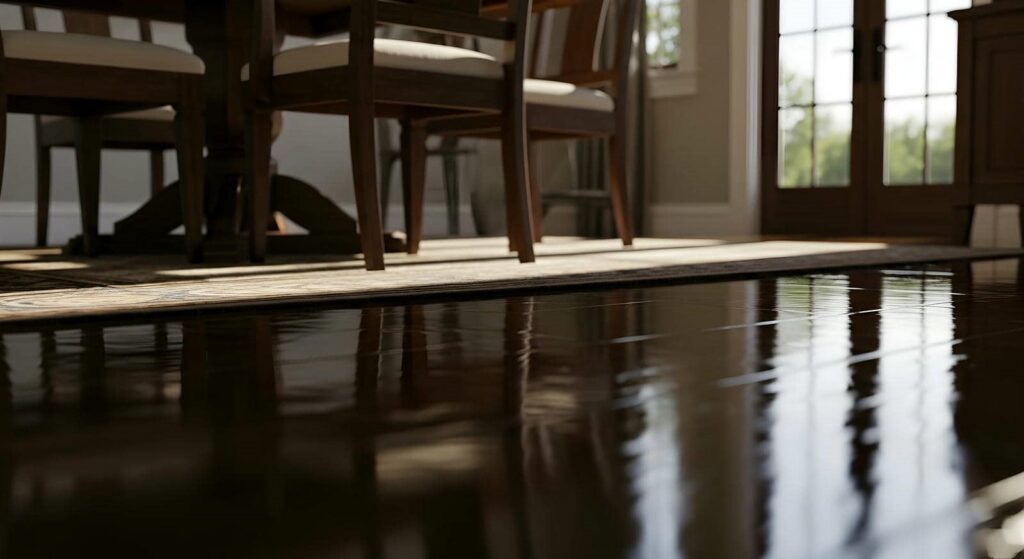
When you face water damage claims, knowing the right steps to take is essential for a successful claims process. First, you’ll want to notify your insurer immediately and document the damage thoroughly. Understanding your coverage can make a significant difference in how you proceed. As you move forward, there are common pitfalls to avoid that could jeopardize your claim. Discovering these can help you navigate the complexities of the claims process more effectively.
Key Takeaways
- Notify your insurer immediately to initiate the claims process and adhere to any claim timelines outlined in your policy.
- Document all damage thoroughly by taking time-stamped photos and keeping records of affected belongings and the source of water.
- Gather repair estimates from multiple contractors to support your claim and provide a clear understanding of potential costs involved.
- Review your insurance policy carefully to understand coverage limits, exclusions, and specific requirements for filing a water damage claim.
- Communicate regularly with your insurance adjuster to ensure timely processing and address any questions or concerns that arise during the claims process.
Understanding Your Water Damage Coverage
When you experience water damage, understanding your coverage can greatly impact your recovery process. Your insurance policy typically outlines various water damage types, such as sudden leaks, flooding, or sewer backups.
Each type may have different coverage limits and exclusions. For instance, standard homeowners’ policies often cover sudden damage but may not include flood damage unless you have additional flood insurance.
It’s essential to review your policy details, noting any specific conditions or deductibles. Familiarizing yourself with these aspects helps you gauge what financial assistance you can expect during the recovery.
Knowing your coverage empowers you to navigate the claims process efficiently, ensuring you’re not left in the dark when it matters most.
Quick Guide: Reporting Water Damage to Your Insurance?
Knowing your coverage sets the stage for the next step: reporting water damage to your insurance. Start by notifying your insurer as soon as possible; this helps adhere to claim timelines and strengthens your position. Clear and concise insurance communication is key.
Here’s a quick guide to help you:
| Step | Action |
|---|---|
| 1. Notify Your Insurer | Call or file a claim online immediately. |
| 2. Document the Damage | Take photos and list affected areas/items. |
| 3. Review Your Policy | Understand what’s covered and required. |
| 4. Follow Up Regularly | Keep communication open for updates. |
Steps to Document Water Damage Effectively
When you experience water damage, taking immediate photos is essential for documenting the extent of the issue.
Next, gather repair estimates from professionals to establish a clear understanding of potential costs.
Finally, keep detailed records of all communications and expenses related to the damage, as this will support your claim process.
Take Immediate Photos
Taking immediate photos after water damage is essential for effective documentation. Start your emergency response by capturing clear images of the affected areas.
Focus on the source of the water, the extent of the damage, and any personal belongings impacted. These photos serve as crucial evidence during your loss assessment, helping adjusters understand the severity of the situation.
Make sure to take wide shots for context, as well as close-ups to highlight specific damages. Time and date stamps on your photos can further validate your claims.
Gather Repair Estimates
Gathering repair estimates is a critical step in documenting water damage effectively. Start by contacting multiple contractors to explore various repair options. This helps you understand the scope of necessary repairs and provides a range of costs.
When seeking contractor recommendations, consider asking friends or neighbors for referrals to ensure you’re working with reputable professionals. As you gather these estimates, compare the proposed work and costs carefully.
This detailed analysis will empower you to make informed decisions and strengthen your claim. Remember, having clear and precise estimates can make a significant difference in how your insurance company assesses your situation, ultimately making sure you get the support you need.
Keep Detailed Records
After securing repair estimates, the next step is to keep detailed records of the water damage. You should document every aspect, as this will aid in establishing claim timelines and enhancing your communication strategies with insurance adjusters.
| Date | Action Taken | Notes |
|---|---|---|
| 2026-09-01 | Initial damage report | Photographed affected areas and items. |
| 2026-09-05 | Repair estimates received | Included costs and contractor information. |
| 2026-09-10 | Follow-up communication | Contacted insurance for claim status. |
What to Expect in the Water Damage Claims Process?
When you begin the water damage claims process, you’ll first need to file your initial claim with your insurance company.
This step requires you to gather detailed documentation and evidence of the damage, which will be essential for a successful resolution.
Understanding these early stages can help streamline your experience and set clear expectations moving forward.
Initial Claim Filing Steps
As you commence the journey of filing a water damage claim, understanding the initial steps will set the foundation for a smoother process. Begin with an initial assessment of the damage. This involves identifying the source of water and the extent of the damage. Next, focus on claim preparation by gathering necessary information.
| Step | Action | Purpose |
|---|---|---|
| Initial Assessment | Inspect the damage | Understand the scope of loss |
| Claim Preparation | Collect policy details | Ensure compliance with requirements |
| Notify Your Insurer | Report the incident promptly | Start the claims process early |
Documentation and Evidence Gathering
Once you’ve initiated your claim, the next phase involves thorough documentation and evidence gathering. Start by taking clear photographs of all water damage, including affected belongings and structural elements. This visual proof is critical in supporting your case.
Next, compile a detailed inventory of damaged items, noting their value and condition. Keep receipts or estimates for repairs, as these will help clarify costs.
Understand your policy limitations; they can affect what you’re eligible to claim. Additionally, be mindful of claim timelines, as delays might jeopardize your coverage.
Communicate regularly with your insurance adjuster to ensure all necessary documentation is submitted promptly. This organized approach will strengthen your claim and enhance your chances for a favorable resolution.
Top 5 Mistakes to Avoid in Water Damage Claims
Maneuvering the complexities of water damage claims can be overwhelming, especially if you fall into common pitfalls that can jeopardize your recovery. Here are the top five mistakes to avoid:
| Mistake | Consequence |
|---|---|
| Ignoring claim timelines | Delayed or denied claims |
| Not documenting damage | Insufficient evidence for claims |
| Falling for common misconceptions | Misunderstanding coverage limits |
Avoiding these mistakes is essential for a successful claim process. By understanding the importance of timely actions and proper documentation, you can navigate your claim more effectively. Remember, staying informed and proactive helps you avoid these pitfalls and fosters a sense of community among those facing similar challenges.
Understanding Your Deductibles and Coverage
How well do you understand your deductibles and coverage when it comes to water damage claims? Knowing your deductible amounts is essential; this is the portion you’ll pay out-of-pocket before your insurance kicks in.
Different policies may have varying deductible structures, so review yours carefully. Coverage limits also play a key role; they determine how much your insurer will pay for damages.
Make sure you know what’s covered—some policies exclude specific types of water damage, like flooding. Understanding these elements can help you gauge potential out-of-pocket expenses and set realistic expectations for your claim.
Why You Should Get a Pro’s Help for Your Claim?
While you may feel equipped to handle your water damage claim, enlisting a professional can greatly streamline the process.
Claim assistance from an expert simplifies paperwork and ensures accuracy in your documentation.
Professionals bring specialized knowledge to the table, helping you understand policy nuances that might otherwise go unnoticed. They know how to present your case compellingly, increasing the likelihood of a favorable outcome.
Additionally, their expertise can help you avoid common pitfalls that could delay or deny your claim.
By collaborating with a seasoned professional, you gain peace of mind, knowing you’re maneuvering through the claims process with informed support.
Ultimately, their guidance can save you time, stress, and potentially maximize your compensation.
Appealing a Denied Water Damage Claim?
If you’ve received a denial for your water damage claim, it’s important to understand that this isn’t the end of the road.
Start by reviewing your policy and the denial letter to identify specific reasons for the rejection. Use claim reconsideration strategies by gathering new evidence or documentation to support your case. This can include photos, repair estimates, or expert opinions.
Next, employ effective insurance negotiation tactics; contact your adjuster to discuss your findings and express your concerns. Be firm yet respectful, as building rapport can enhance your chances of a successful appeal.
If necessary, consider involving a claims advocate or legal professional who specializes in water damage claims to strengthen your position.
Tips for a Smooth Water Damage Claims Experience
Steering through the water damage claims process can feel overwhelming, especially after facing a denial. To ensure a smoother experience, familiarize yourself with essential insurance terminology. Understanding terms like “deductible,” “coverage limits,” and “exclusions” will empower you during discussions with your insurer.
Document everything meticulously—take photos of the damage, keep receipts for repairs, and record communications. This evidence is vital in reinforcing your claim.
Be proactive in following up with your insurance adjuster; regular check-ins can keep your claim moving forward.
Lastly, don’t hesitate to seek guidance from professionals, such as public adjusters or legal advisors, if needed. Their expertise can help clarify the claim process and improve your chances of a favorable outcome.
Frequently Asked Questions
How Long Do I Have to File a Water Damage Claim?
You typically have one to two years to file a water damage claim, depending on your policy. Understand the claim timeline and follow the filing procedures closely to ensure you’re protected and compensated.
Can I Choose My Own Contractor for Repairs?
Yes, you can choose your own contractor for repairs. Selecting a contractor you trust can enhance the repair process, ensuring quality work. Just verify any requirements from your insurance provider to streamline your claims experience.
Will My Rates Increase After Filing a Claim?
Yes, your rates might increase after filing a claim, especially if you have a history of claims. Insurers often consider claim frequency when determining premium increases, impacting your overall insurance costs moving forward.
Are Mold Damages Covered Under Water Damage Claims?
Yes, mold damages can be covered under water damage claims, but it depends on your insurance policies. You’ll need proper documentation and mold remediation efforts to support your claim and ensure coverage.
What if I Discover Additional Damage Later?
If you discover hidden damages later, document everything and contact your insurer immediately. They’ll guide you through the claim process, ensuring you address all damages effectively. Don’t hesitate; timely communication is essential for coverage.
Summary
Steering through water damage claims might feel like paddling upstream without a paddle, yet with the right steps, you can turn potential disaster into a manageable process. By knowing your coverage, documenting damages, and avoiding common pitfalls, you’re setting yourself up for success. Ironically, the very chaos of a water disaster can lead to clarity if you tackle it systematically. Don’t let a little water drown your chances; instead, let it guide you to a smoother claims experience.