
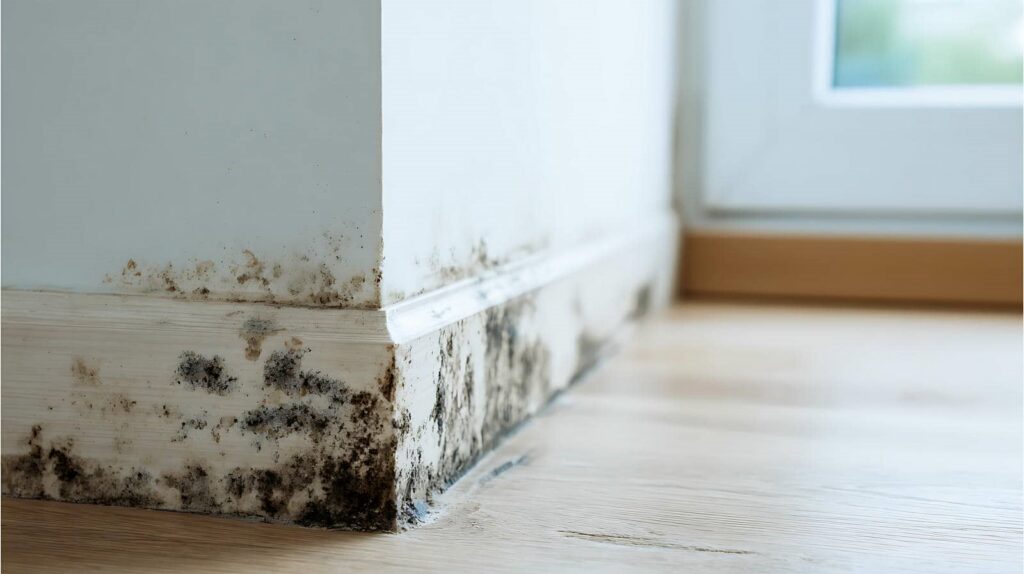
Did you know that nearly 50% of homes affected by flooding develop mold within just 24 to 48 hours? This rapid growth poses significant health risks, from respiratory issues to allergic reactions. Addressing mold cleanup promptly is essential not only for your well-being but also for preserving your property’s integrity. Understanding the immediate actions you need to take can make all the difference in preventing long-term damage. What’s your next step?
Key Takeaways
- Mold can develop rapidly in damp environments, making swift cleanup essential to prevent extensive growth.
- Exposure to mold can cause serious health issues, including respiratory problems and allergic reactions.
- Prolonged moisture can deteriorate building materials, leading to costly repairs and structural damage.
- Understanding insurance coverage limits for mold damage helps homeowners plan for potential cleanup costs.
- Regular inspections and moisture control strategies are vital for long-term prevention of mold issues.
The Immediate Risks of Mold After Flooding
When floodwaters recede, you might think the danger has passed, but the immediate risk of mold growth is just beginning. Mold thrives in damp environments, making your home a prime candidate if moisture control isn’t prioritized.
Even after the water has disappeared, humidity levels can remain high, allowing mold spores to settle and multiply.
To protect your space, it’s essential to act swiftly. Remove wet materials, such as carpets and drywall, and guarantee thorough drying of affected areas.
Implementing moisture control strategies, like using dehumidifiers and proper ventilation, can greatly mitigate mold risks.
How Mold Affects Your Health and Well-Being
Although mold might seem like a minor inconvenience, its impact on your health and well-being can be significant. Mold exposure can lead to respiratory issues, allergic reactions, and skin irritations that disrupt daily life.
For those with chronic conditions, the immune response may weaken, exacerbating health problems. Furthermore, prolonged exposure can result in long-term effects, affecting indoor air quality and your mental health. You might find yourself feeling more anxious or fatigued, as mold contributes to an unhealthy living environment.
Implementing prevention measures, like proper ventilation and moisture control, is essential to safeguard your well-being. By prioritizing mold cleanup after flooding, you’re not just protecting your home; you’re ensuring a healthier space for you and your loved ones.
Quick Steps for Immediate Mold Cleanup
To effectively tackle mold cleanup after flooding, it’s essential to act swiftly and methodically.
Begin by identifying moist areas where mold growth is likely. Remove standing water using pumps or mops, as moisture encourages further mold development.
Next, ventilate affected spaces by opening windows and using fans.
Wear protective gear like masks and gloves to safeguard your health.
Employ effective cleanup techniques, such as scrubbing surfaces with a mixture of water and detergent, or a commercial mold remover.
Discard any porous materials, like carpets or drywall, that have absorbed water and show signs of mold.
Finally, monitor the area for any signs of recurring mold.
Taking these steps fosters a healthier environment for you and your loved ones.
How to Identify Mold-Prone Areas in Your Home
Identifying mold-prone areas in your home is essential for preventing future outbreaks, especially after flooding.
Mold hotspots often arise from moisture sources and water damage. Pay attention to these key areas:
Basements and crawl spaces: High humidity and poor ventilation can create ideal conditions for mold.
Bathrooms: Frequent moisture from showers and sinks can lead to hidden leaks.
Kitchens: Check under sinks and around appliances for dampness.
Attics: Poor ventilation issues can trap humidity and promote growth.
Building materials: Certain materials, like drywall and wood, can retain moisture and foster mold.
Essential Tools for Mold Remediation
When tackling mold remediation, having the right tools is vital for effective cleanup and prevention. Start with a reliable mold testing kit to identify affected areas accurately. This guarantees you’re addressing the problem at its source.
Next, invest in a high-efficiency particulate air (HEPA) filter vacuum. It captures mold spores and improves air quality during cleanup. Protective gear, including gloves, masks, and goggles, is essential to safeguard your health while working.
Additionally, use moisture meters to assess humidity levels in your home, helping you target the root cause of mold growth. Finally, consider antimicrobial solutions to treat affected surfaces effectively.
With these tools, you’ll create a safer, healthier environment for everyone in your home.
When to Hire Mold Remediation Experts?
If you notice signs of mold growth after flooding, it’s vital to act quickly.
Health risks can escalate with prolonged exposure, making it important to assess the extent of the damage.
Hiring mold remediation experts may be necessary to guarantee thorough cleanup and prevent further issues.
Signs of Mold Growth
Mold growth can emerge swiftly after flooding, making it essential to recognize the signs early. Knowing the different mold types and effective detection methods can help you identify when it’s time to act.
Here are some key indicators of mold growth:
- Visible discoloration on walls, ceilings, or floors
- Musty odors that linger and intensify
- Increased humidity levels in the environment
- Peeling paint or wallpaper, indicating moisture beneath
- Health symptoms like sneezing or skin irritation
If you notice these signs, it’s vital to consult mold remediation experts. They can accurately assess the situation and implement the necessary cleanup measures, ensuring a safe living environment for you and your loved ones.
Don’t wait—act promptly!
Health Risks Involved
Ignoring the signs of mold growth can lead to serious health risks, particularly for vulnerable individuals such as children, the elderly, or those with pre-existing respiratory conditions.
Mold exposure can trigger respiratory issues, causing coughing and difficulty breathing. You may also experience allergic reactions, skin irritations, or even chronic fatigue from long-term exposure.
Additionally, mold can weaken your immune response, making it harder for your body to fight off infections. The mental health impacts shouldn’t be overlooked either; the stress of dealing with mold-related problems can exacerbate anxiety and depression.
If you notice these symptoms after water damage, it’s crucial to hire mold remediation experts to guarantee a safe and healthy environment for you and your loved ones.
Extensive Damage Assessment
When evaluating extensive damage after flooding, recognizing the signs of mold growth is crucial for your safety and health.
If you notice any of these indicators, it’s time to hire mold remediation experts:
- Visible mold: Any patches of mold on walls or surfaces.
- Musty odors: Persistent smells can indicate hidden mold.
- Water stains: Discoloration on walls or ceilings suggests moisture issues.
- Increased allergy symptoms: Unexplained respiratory issues can signal mold exposure.
- Assessment tools: Professional tools, like moisture meters, help identify hidden damage.
Ignoring these signs could lead to severe health risks and structural issues.
Prioritizing a thorough assessment guarantees you address flood damage effectively and safeguard your environment for everyone involved.
Long-Term Mold Prevention Strategies
To effectively combat mold growth after flooding, it’s essential to implement long-term prevention strategies that address moisture control and air quality.
Start with ventilation improvement; guarantee air circulates freely to reduce humidity levels. Regular inspections of your home can catch potential issues early, while humidity monitoring devices help you stay informed about moisture levels.
Consider the material selection for your home—opt for mold-resistant options when possible. Surface treatments with mold inhibitors can provide an additional layer of protection.
Don’t forget proactive maintenance; regular upkeep of gutters and drainage systems reduces water accumulation.
Finally, always factor in climate considerations, as local weather patterns can influence mold risk.
These strategies create a healthier environment for you and your family.
What Your Insurance Covers for Mold Issues?
When it comes to mold issues, understanding your insurance coverage is essential.
Many policies include provisions for mold removal, but there are often limits on the amount of damage they’ll cover.
Knowing these details can help you plan effectively for potential cleanup costs.
Coverage For Mold Removal
Understanding your insurance coverage for mold removal is essential, especially after a flooding incident. Many insurance policies have specific mold exclusions or coverage limits that can affect your financial recovery.
It’s vital to be informed about your coverage options to avoid unexpected remediation costs.
- Review your policy for mold exclusions.
- Know the coverage limits for mold-related claims.
- Assess the remediation costs covered by your policy.
- Prepare for filing claims with accurate damage assessments.
- Consider policy comparisons to find the best coverage.
Limits On Mold Damage
While many homeowners assume their insurance will cover all mold-related damages, the reality is often more complex. Most policies only cover mold growth that results from a specific peril, like flooding, and may exclude damages linked to long-term moisture control failures.
If mold appears due to negligence or lack of maintenance, you might find yourself footing the bill. Additionally, many policies have caps on mold remediation costs, which can leave you vulnerable if extensive cleanup is needed.
It’s essential to review your policy details and consider additional coverage for mold issues. Understanding these limits can help you navigate the aftermath of flooding and guarantee you’re adequately prepared for any potential mold-related expenses.
Strategies for Effective Mold Cleanup and Prevention
To effectively tackle mold cleanup and prevention after flooding, you must first assess the extent of the damage and act quickly. Time is of the essence, as mold can spread rapidly in damp environments.
Implementing the right mold removal techniques and maintaining moisture control are essential strategies for protecting your space.
- Remove standing water immediately to minimize moisture.
- Use dehumidifiers and fans to dry out affected areas.
- Clean surfaces with mold-specific cleaners or a bleach solution.
- Seal all porous materials that can’t be cleaned thoroughly.
- Conduct regular inspections to catch mold growth early.
Frequently Asked Questions
How Long Does It Take for Mold to Develop After Flooding?
Mold can develop within 24 to 48 hours after flooding, especially if moisture levels remain high. The longer flood duration persists, the greater the risk, so act quickly to prevent serious mold issues.
Can Mold Grow in Hidden Areas of My Home?
Yes, mold can grow in hidden areas of your home, especially where there’s hidden moisture. Check behind walls, under carpets, and in crawl spaces for potential mold sources to guarantee a thorough cleanup.
What Are the Signs of Mold Growth Beyond Visual Appearance?
Mold symptoms can manifest subtly; you might notice musty odors, increased allergy reactions, or unexplained fatigue. Ignoring these signs poses health risks, making it essential to address potential mold issues promptly and effectively.
Is All Mold Harmful, or Are Some Types Safe?
Not all mold is harmful, but certain types pose significant health risks. It’s essential to identify mold types, as some can trigger allergies or respiratory issues. Always prioritize safety by addressing any mold presence promptly.
How Can I Tell if Mold Cleanup Was Successful?
To determine if mold cleanup was successful, conduct mold testing, inspect surfaces for discoloration, and check for odors. Effective cleanup methods should leave no visible mold or musty smells, ensuring a safe, healthy environment for you.
Summary
In the wake of flooding, prioritizing mold cleanup isn’t just prudent; it’s essential for your health and home’s integrity. You might think a quick dry-out is enough, but mold can hide in unseen corners. Did you know that neglecting it can lead to expensive repairs and serious health risks? By acting swiftly and effectively, you can safeguard both your well-being and your property. Don’t underestimate the importance of thorough mold remediation your future self will thank you.