
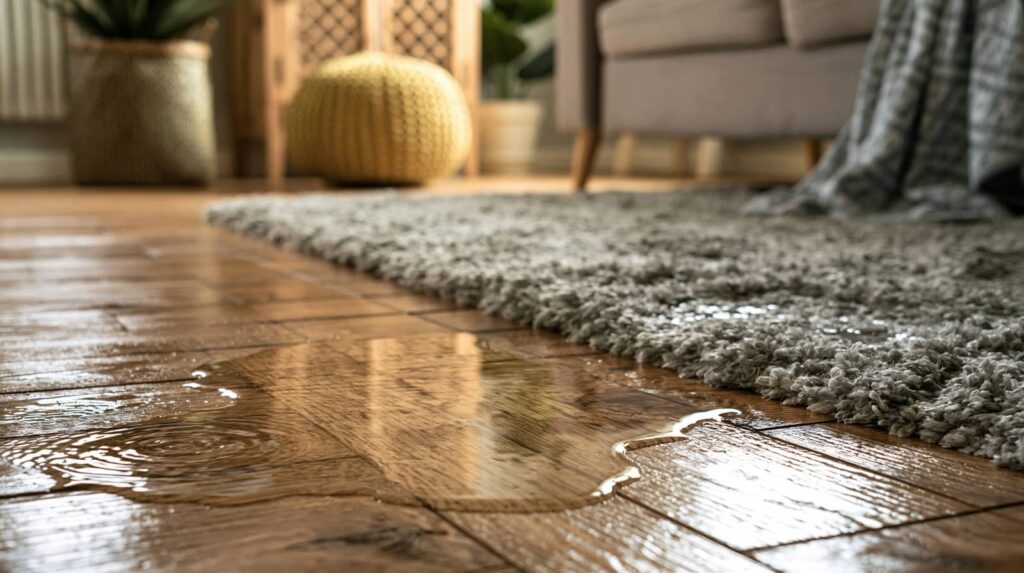
Could it be true that the first hour after a leak does more damage than the water itself? When Drying Water-Damaged Homes becomes necessary, you need to stop the source, remove standing water, and start air movement quickly to limit hidden moisture and slow mold growth. You’ll also need to dry walls, floors, and cavities with the right equipment, then keep measuring moisture until the structure is truly dry, because missing one wet pocket can undo everything.
Key Takeaways
- Shut off the water source and inspect for hidden leaks, electrical hazards, and contaminated areas before starting cleanup.
- Remove standing water quickly with pumps, wet vacs, or extraction equipment, starting in low areas and moving toward exits.
- Place air movers and dehumidifiers strategically to maintain strong airflow and lower humidity throughout the damaged space.
- Open walls, remove baseboards, and dry wet carpets, padding, and flooring to reach trapped moisture in cavities.
- Measure moisture daily with meters and hygrometers until readings match dry, unaffected materials.
Stop the Water Leak and Secure the Area
Before you dry anything, stop the source of the water and make the area safe. You should inspect visible water sources, then use leak detection to trace hidden moisture behind walls, under sinks, and near appliances.
If you can shut off a valve or fixture safely, do it now. When the damage involves broken pipes or failed fittings, arrange emergency repairs right away so the problem doesn’t spread.
Keep everyone out of the wet zone until you’ve checked for electrical hazards, slippery floors, and contaminated materials. Wear gloves, boots, and eye protection as part of your safety precautions.
You’re not handling this alone; taking these steps quickly helps protect your home, your family, and the rest of your recovery plan.
Remove Standing Water Fast
Now that the leak is controlled, remove any standing water as quickly as you can to limit swelling, staining, and mold growth.
Use pumps, wet vacs, or professional water extraction equipment for larger areas, and empty containers often so you keep moving. Start in the lowest spots and work toward exits, guiding the water out without spreading it.
As you clear each room, note what got wet for your damage assessment, including flooring, baseboards, and furnishings. That helps you and your restoration team prioritize next steps.
Wear gloves and boots, and watch for slippery surfaces or hidden debris. If you move efficiently now, you’ll protect the structure, reduce cleanup time, and give your home the best chance to dry out cleanly.
Set Up Air Movers and Dehumidifiers
Once the standing water is gone, set up air movers and dehumidifiers right away to pull moisture out of walls, floors, and the air.
You’ll get better results when you plan air mover placement so each unit pushes dry air across damp surfaces without blasting debris around.
Keep airflow moving in a consistent loop and avoid crowding equipment too close together.
Set dehumidifier settings to match the room’s humidity goal, and empty or drain them before they back up.
Close windows and doors so the equipment can work as one system.
Check cords, filters, and airflow each day.
You’re not doing this alone—steady setup and close monitoring help your home dry faster and give you a clearer path forward.
Dry Water-Damaged Walls, Floors, and Cavities
With airflow and dehumidification running, focus on drying the walls, floors, and hidden cavities that hold moisture after the flood. You’ll remove baseboards, open small inspection holes, and expose wet framing so air can reach trapped areas.
Pull saturated carpet and pad, then lift vinyl or laminate if they’re holding water against the subfloor. Check cavities around plumbing, behind cabinets, and under stair runs for damp insulation; an insulation inspection helps you decide what to replace.
Keep surfaces clean and free of debris so drying stays efficient and mold prevention improves. If drywall feels soft, swollen, or crumbly, cut it back to solid material.
Work methodically with your team, and you’ll rebuild a dry, stable home that feels safe again.
Measure Moisture Until the Area Is Dry
As the structure dries, keep measuring moisture so you know when hidden materials have reached safe levels. Use moisture measurement techniques such as pin meters for wood, noninvasive scanners for walls, and hygrometers for ambient air.
Check the same spots daily, record readings, and compare them to unaffected materials nearby. When numbers stop dropping, your drying equipment options may need adjustment: add air movers, dehumidifiers, or heat to speed evaporation.
You’ll avoid guessing, catch trapped moisture early, and protect your home’s framing, subfloors, and insulation. Stay consistent with each reading, because your crew, insurer, and restoration team can trust data that stays organized.
If readings remain elevated, keep drying and testing until everything matches safe baseline levels.
Frequently Asked Questions
How Do I Tell if Hidden Mold Has Started Growing?
You’ll spot hidden mold by using mold detection tools, checking moisture levels, and watching for musty odors, discoloration, or allergy symptoms. If readings stay high, you should inspect behind walls and call a pro.
Should I Replace Soaked Insulation After a Flood?
Yes—you should usually replace soaked insulation after a flood; it soaks up water like a sponge in a storm. Different insulation types respond differently, but proper drying methods rarely restore full performance or hygiene.
Can I Dry Hardwood Floors Without Warping Them?
Yes, you can dry hardwood floors carefully without warping them. You’ll need fast moisture control, steady airflow, and low heat. For hardwood restoration, monitor moisture content daily, and call a specialist if cupping starts.
When Is It Safe to Restore Electricity in Wet Rooms?
You should restore electricity only after a qualified electrician confirms electrical safety, like after your basement flood dried fully and all outlets tested clear. Don’t re-energize during wet conditions; you’ll protect your home and family.
Do I Need Professional Help for Sewage-Contaminated Water?
Yes—you need professional help for sewage-contaminated water. You’ll face serious health risks, and proper sewage cleanup needs protective gear, containment, and disinfection. Calling experts helps you protect your home, family, and peace of mind.
Conclusion
By acting fast, you can greatly reduce damage from water intrusion. In fact, the IICRC notes that mold can begin growing within 24 to 48 hours, so every hour counts. Stop the leak, remove standing water, and keep air moving with dehumidifiers and fans. Then dry hidden cavities and check moisture levels until they return to normal. If you stay consistent and methodical, you can protect your home and avoid bigger repairs later.