
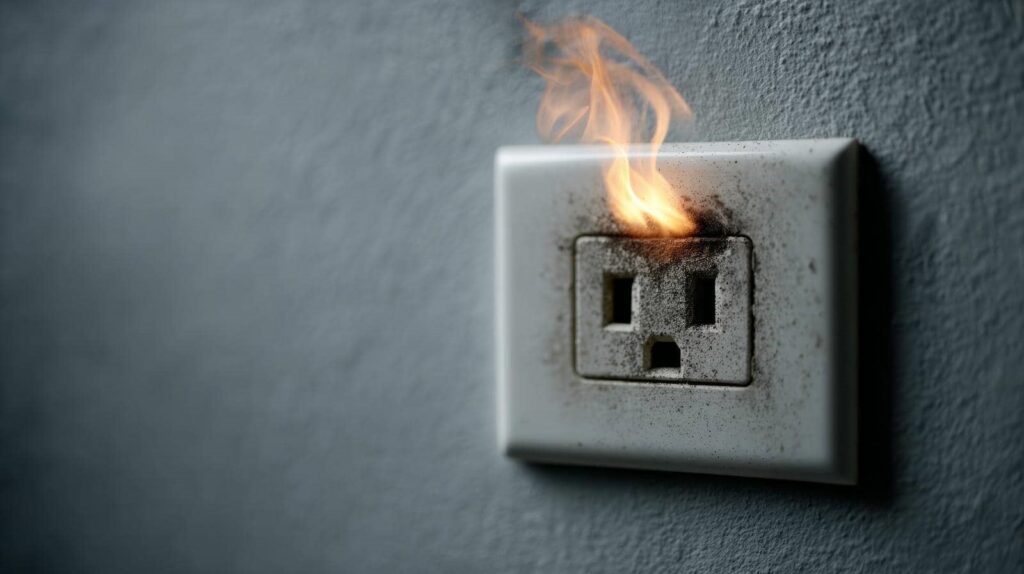
Did you know that nearly 50,000 home fires occur annually due to electrical malfunctions? If you’ve faced fire or smoke damage, understanding the restoration process is vital. You’ll need to assess damage thoroughly, prioritize safety, and implement specialized cleaning techniques. However, knowing when to seek professional help can make all the difference in effective recovery. Let’s explore the essential steps to guarantee your home is restored safely and efficiently.
Key Takeaways
- Conduct a thorough damage assessment to evaluate visible and hidden fire and smoke damage for insurance documentation and restoration planning.
- Prioritize safety by using personal protective equipment (PPE) to protect against smoke, toxins, and contaminants during the restoration process.
- Improve air quality by ventilating the area and using HEPA filters to remove smoke particles and enhance airflow during cleanup.
- Utilize specialized cleaning products and advanced equipment for effective smoke odor removal and thorough cleaning of affected areas.
- Regularly assess fire risks, maintain safety equipment, and call professionals for extensive damage or lingering smoke odors requiring expert intervention.
How to Assess Fire and Smoke Damage Like a Pro?
When you assess fire and smoke damage, it’s essential to approach the situation methodically to guarantee no detail is overlooked.
Start with a thorough damage evaluation, using an inspection checklist to guide your process. Look for visible damage, such as charred materials and soot stains, and pay attention to hidden areas where smoke may have penetrated.
Document everything meticulously, as this will support any necessary insurance claims and restoration efforts.
Don’t forget to assess the condition of structural elements like walls and ceilings, as well as personal belongings.
Key Safety Precautions for Fire Cleanup
When you start fire cleanup, prioritizing safety is vital.
Wearing the right personal protective equipment (PPE) guarantees you shield yourself from harmful debris and toxins.
Additionally, maintaining proper ventilation and air quality is essential to minimize health risks as you work through the affected area.
Personal Protective Equipment
To guarantee your safety during fire cleanup, it’s vital to wear appropriate personal protective equipment (PPE) that shields you from hazardous materials and harmful substances.
Start with a sturdy respirator to protect your lungs from smoke and toxins. Don’t forget gloves and goggles; they’re important for shielding your skin and eyes from contaminants.
Protective gear, like coveralls, can prevent soot and ash from clinging to your clothing.
Remember, personal safety isn’t just about compliance; it’s about caring for yourself and those around you. Equip yourself properly, and you’ll feel more confident tackling the cleanup.
You’re part of a community that values safety, so investing in quality PPE is a step toward restoring both spaces and lives.
Ventilation and Air Quality
Ensuring proper ventilation is essential for maintaining air quality during fire cleanup, as it helps dissipate harmful smoke and odors.
You should focus on enhancing air circulation in affected areas by opening windows and doors whenever possible. This action allows fresh air to enter, pushing out contaminated air.
Consider using fans to improve airflow, but make sure they’re positioned to direct smoke outside. Additionally, employing high-efficiency particulate air (HEPA) filters can greatly aid in smoke filtration, capturing fine particles that linger in the air.
Remember, your health matters; prioritizing good air quality protects you and your team from potential respiratory issues.
Why Detailed Documentation of Fire Damage Matters
While fire damage can be overwhelming, detailed documentation is essential for effective restoration and recovery. Properly documenting the damage not only helps you understand the extent of destruction but also highlights the documentation importance for your insurance claims.
Take clear photographs, note specific damages, and keep records of any personal property affected. This meticulous approach helps guarantee that you don’t miss any details that could impact your claim. By having thorough documentation, you create a stronger case for reimbursement and facilitate a smoother restoration process.
Cleaning Up: Effective Techniques for Smoke and Fire Residue
When tackling smoke and fire residue, you’ll first need to assess the extent of the damage to determine your next steps.
Using specialized cleaning products designed for fire-related issues can greatly improve your results.
If the situation feels overwhelming, don’t hesitate to reach out to professional restoration services for expert assistance.
Assessing Damage Extent
Before diving into the cleaning process, it’s vital to accurately assess the extent of fire and smoke damage. Start with a thorough damage evaluation, noting affected areas and materials.
Look for structural issues, lingering odors, and soot stains, as these can greatly impact your restoration efforts. Document everything meticulously, as this will be fundamental for insurance considerations.
Insurers often require detailed accounts of the damage to process your claims effectively. Be honest about what you discover; transparency can help guarantee a smoother restoration process.
Specialized Cleaning Products
Using specialized cleaning products is essential for effectively tackling smoke and fire residue. These specialized detergents are designed to break down stubborn soot and tar, ensuring a thorough clean.
When you combine them with advanced equipment like HEPA vacuums and pressure washers, you enhance your ability to remove contaminants from various surfaces. It’s important to choose products that are safe for the materials in your space, as some can cause further damage if used improperly.
Professional Restoration Services
Effective restoration after a fire or smoke incident often relies on professional services equipped with the right tools and expertise.
These professionals employ advanced restoration techniques to tackle smoke residue and structural damage effectively. Their emergency response teams act quickly, minimizing further harm and addressing your concerns with empathy.
They use specialized equipment, such as air scrubbers and thermal foggers, to eliminate odors and contaminants.
By evaluating the extent of damage, they create a tailored plan for your unique situation, ensuring every detail is addressed.
When you choose professional restoration services, you’re not just restoring your space but also your peace of mind, knowing you’re in capable hands.
Trust in their expertise to help you rebuild and reclaim your home.
How to Eliminate Lingering Smoke Odors
Although eliminating lingering smoke odors can feel challenging, it’s crucial for restoring a safe and comfortable environment.
Start by using effective odor removal techniques like deep cleaning surfaces with specialized cleaners designed for smoke damage. Employ smoke absorption materials, such as activated charcoal or odor-absorbing gels, to neutralize residual smells.
Don’t forget to ventilate your space; open windows and use fans to circulate fresh air. Consider using an ozone generator for stubborn odors, but make sure the area is unoccupied during use.
Finally, replacing HVAC filters and cleaning ducts can greatly reduce lingering smells.
Repairing Fire-Damaged Structures: Effective Restoration Tips
Evaluating the damage after a fire is essential for effective restoration. You need to assess the structural integrity and plan your next steps carefully.
Here are some key restoration techniques to take into account:
Inspect and Document: Thoroughly examine the damage and take photos for insurance purposes.
Remove Debris: Clear out charred materials, ensuring safety and preventing further damage.
Utilize Fire Resistant Materials: When rebuilding, choose fire resistant materials to enhance safety and durability.
Engage Professionals: Work with restoration experts who understand the nuances of fire damage and can provide specialized knowledge.
How to Mitigate Future Fire Risks in Your Home
To prevent future fire risks in your home, it’s essential to implement proactive measures that address potential hazards.
Start with a thorough risk assessment of your property. Identify areas where flammable materials are stored or where electrical issues may arise.
Regularly inspect smoke detectors and replace batteries as needed; consider installing interconnected alarms for enhanced safety.
Ensure that escape routes are clear and well-marked, and practice fire drills with your family.
Keep fire extinguishers accessible and check their expiration dates.
Additionally, maintain defensible space around your home by clearing away dead vegetation and debris.
When to Call Fire Restoration Professionals?
When should you consider calling fire restoration professionals? If you’ve experienced a fire, it’s essential to act quickly to minimize damage and guarantee safety. Here are key moments to reach out:
Visible Damage: If you see smoke or fire damage, don’t attempt to handle it alone; professionals can provide a thorough fire damage assessment.
Smoke Odor: Lingering smoke smells can be harmful and difficult to eliminate without specialized equipment.
Water Damage: If firefighting efforts led to water damage, experts can address both issues simultaneously.
Complex Restoration: For extensive damage, professionals can establish realistic restoration timelines and coordinate repairs to restore your home effectively.
You deserve to feel secure and supported in your recovery journey.
Frequently Asked Questions
What Insurance Coverage Is Available for Fire and Smoke Damage?
You’ve got options with fire insurance, covering both fire and smoke damage. Policies often include dwelling coverage, personal property protection, and additional living expenses, ensuring you’re supported during recovery. Review your policy details for clarity.
How Long Does the Fire Restoration Process Typically Take?
The fire restoration process typically takes several weeks, depending on the fire damage timeline. You’ll navigate vital restoration phases, from assessment to reconstruction, ensuring your space is safe and welcoming once again.
Can I Stay in My Home During Restoration?
You typically shouldn’t stay in your home during restoration due to safety concerns, smoke damage, and air quality issues. Restoration timelines vary, but prioritizing your health and safety is essential throughout the process.
What Are the Costs Associated With Fire and Smoke Restoration?
Restoration pricing varies based on damage assessment results, including labor, materials, and equipment costs. You’ll want to discuss these details with professionals to guarantee you understand all potential expenses and feel supported throughout the process.
How Can I Prevent Mold After Fire Damage?
After fire damage, act quickly. Assess the situation and employ mold prevention strategies like drying the area, using dehumidifiers, and ensuring proper ventilation. Your proactive approach can help protect your home and restore your peace.
Final Thoughts
As you navigate the aftermath of fire and smoke damage, remember that each step counts. You might feel overwhelmed, but with careful assessment, safety precautions, and thorough cleaning, you can reclaim your space. Yet, the lingering scent of smoke may still haunt your home. Will you take the plunge to guarantee it’s truly restored? When in doubt, reaching out for professional help could be the key to peace of mind and a fresh start.