
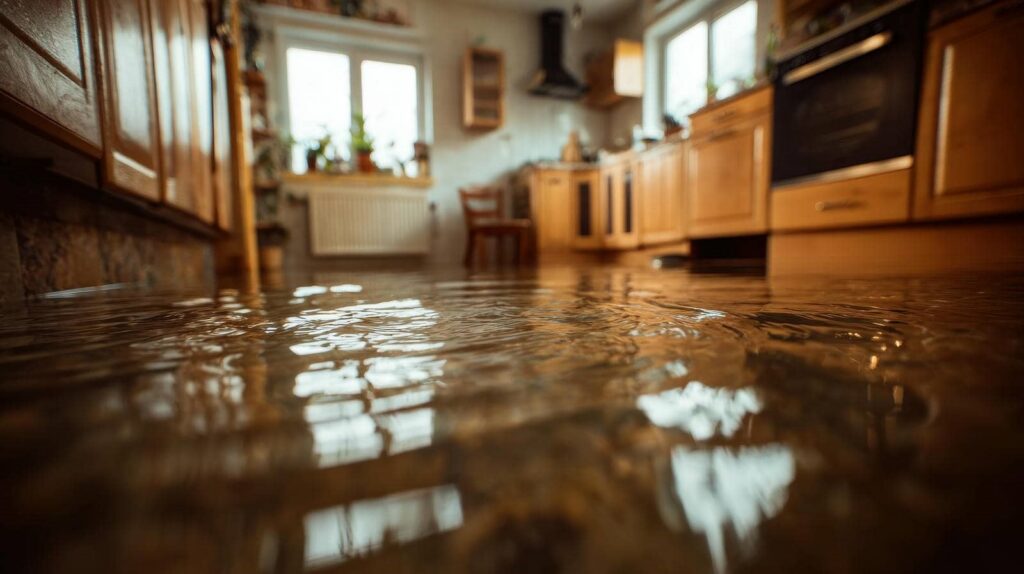
Just as the Titanic’s fate hinged on overlooked details, your home’s protection against water damage restoration relies on understanding your insurance coverage. Many homeowners assume they’re fully protected, but gaps often exist in policies. Common exclusions can leave you vulnerable, especially when disaster strikes. To ensure you’re prepared for the unexpected, it’s crucial to grasp what your policy truly covers and what it doesn’t. What are the specific risks you should watch for?
Key Takeaways
- Homeowners’ insurance typically covers sudden water damage, but personal property and mold remediation may not be included.
- Flood damage requires separate insurance, while maintenance neglect and wear and tear are usually excluded.
- Reviewing your policy helps identify coverage limits and necessary documentation for filing a claim.
- Detailed photos, receipts, and organized communication are essential for maximizing claim settlements.
- Restoration companies facilitate accurate assessments and streamline communication with adjusters to support the claims process.
What Water Damage Restoration Insurance Covers
When you face water damage, knowing what your insurance covers can greatly ease the recovery process. Different water damage types, such as burst pipes, flooding, or leaks, may affect your coverage.
Most standard homeowners’ policies typically cover sudden and accidental damage, but you should check your specific insurance policy limits. Understanding these limits is essential, as they dictate how much you can claim for repairs and restoration.
For instance, while some policies cover structural damage, they mightn’t include personal property or mold remediation. To maximize your coverage, review your policy regularly and consult your insurance agent for clarity.
This proactive approach helps ensure you’re adequately protected and prepared for any water damage situation.
Common Exclusions to Be Aware Of
While understanding what your insurance covers is essential, being aware of common exclusions can prevent unexpected financial burdens. Many policies have specific limitations that could leave you vulnerable. Here are some exclusions to keep in mind:
| Exclusion Type | Description | Impact on Coverage |
|---|---|---|
| Flood Damage | Most standard policies don’t cover floods. | You may need separate flood insurance. |
| Maintenance Neglect | Damage from lack of upkeep is often excluded. | Regular maintenance is vital for coverage. |
| Wear and Tear | Normal aging of materials isn’t covered. | Expect no reimbursement for routine deterioration. |
| Earthquakes | Many policies exclude seismic events. | Consider additional coverage if in a risk area. |
| Intentional Damage | Claims for self-inflicted damage are denied. | Always act responsibly to avoid loss. |
Understanding these exclusions helps you make informed decisions about your coverage.
Filing Your Water Damage Insurance Claim
Filing a water damage insurance claim can seem intimidating, especially if you’re unprepared for the process. To navigate it successfully, start with an insurance policy review to understand your coverage limits and exclusions.
Gather all necessary claim documentation, including photographs of the damage, repair estimates, and any communication with restoration professionals. These claim documentation tips are essential for supporting your case and ensuring a smoother process.
When you submit your claim, be clear and concise in your descriptions. Keep copies of everything you send and receive. Staying organized helps in tracking your claim and fosters a sense of control during a challenging time.
Strategies to Increase Your Water Damage Claim Settlement
To maximize your water damage claim settlement, it’s essential to understand the nuances of your policy and the claims process.
Start by gathering thorough claim documentation—detailed photos of the damage, repair estimates, and any relevant receipts. These claim documentation tips strengthen your case and provide evidence of your losses.
Next, employ effective negotiation tactics. Be prepared to discuss your policy details and the costs associated with repairs. When speaking with your adjuster, remain calm and assertive, and don’t hesitate to question low offers.
Highlight your extensive documentation to reinforce your position. Establishing clear communication fosters a collaborative atmosphere, making it more likely for you to achieve a favorable settlement.
How Restoration Companies Help With Your Claims Process
Understanding the complexities of insurance claims can be overwhelming, but restoration companies play an essential role in simplifying the process. They coordinate with insurance adjusters, ensuring your claim is processed efficiently. Their expertise in documentation is invaluable, providing thorough reports and evidence that substantiate your claim.
| Service Provided | Benefits to You | Documentation Tips |
|---|---|---|
| Damage Assessment | Accurate estimation of loss | Keep detailed records |
| Restoration Process | Timely repairs | Capture before-and-after photos |
| Claim Submission | Streamlined communication | Organize all paperwork |
| Follow-Up Assistance | Ongoing support | Maintain contact logs |
Frequently Asked Questions
How Can I Prevent Water Damage in My Home?
To prevent water damage in your home, regularly check for leaks, maintain appliances properly, and ensure good drainage. By being proactive, you’ll safeguard your space and create a more comfortable environment for everyone.
Will My Policy Cover Mold Growth After Water Damage?
Your policy might not cover mold growth after water damage, especially if it includes policy exclusions. It’s essential to review your coverage details and consider mold remediation options to protect your home effectively.
What Documentation Is Needed for Filing a Claim?
To navigate the claim process, gather required forms like your policy details, photos of damage, and any repair estimates. This documentation supports your case effectively.
Are There Waiting Periods Before Coverage Begins?
Yes, there are often waiting periods before coverage begins. Coverage timelines vary by policy, so review your specifics. Understanding claim initiation helps you navigate potential delays and ensures you’re prepared for any water damage incidents.
Can I Choose My Own Restoration Contractor?
Yes, you can typically choose your own restoration contractor. However, review your policy for any contractor selection guidelines or restrictions. Exploring various restoration options ensures you find a provider that meets your specific needs effectively.
Conclusion
Steering through water damage restoration insurance can feel like walking a tightrope, but understanding your coverage is essential. While your policy may offer a safety net for unexpected incidents, it’s vital to recognize the fine print that could leave you exposed. By staying informed and proactive, you can better prepare for any unforeseen deluges. Remember, knowledge is your best ally in transforming potential pitfalls into opportunities for recovery and resilience in your home.