
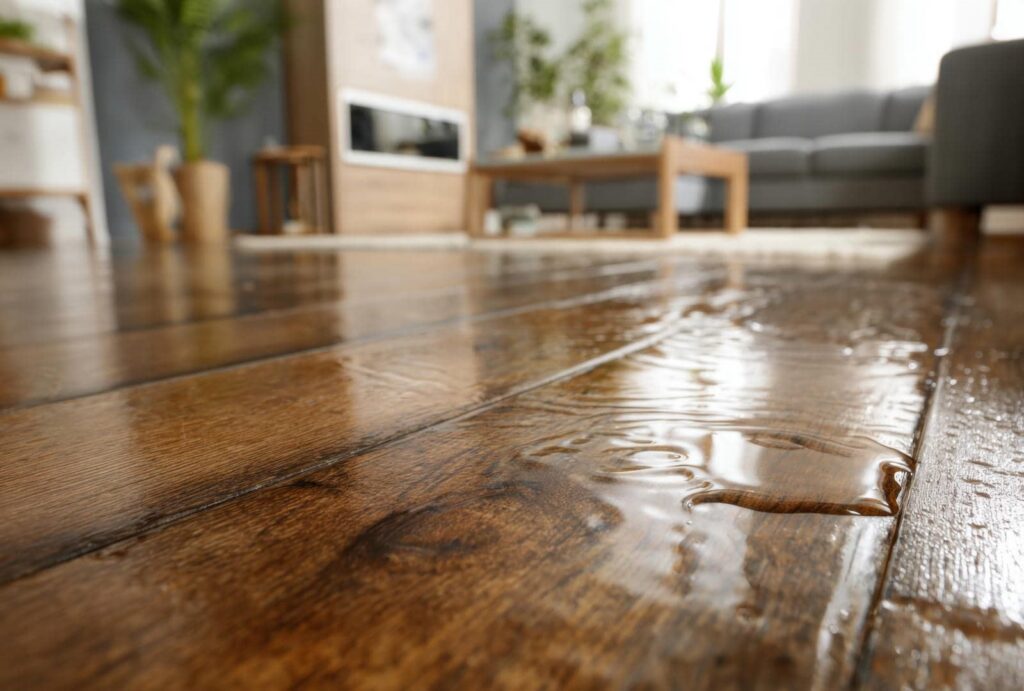
Water damage is one of the most common claims homeowners file, often resulting from unexpected incidents like burst pipes or appliance failures. Insurance typically covers these situations because they can severely affect both property value and personal finances. Understanding the nuances of water damage coverage is essential, especially when considering the potential for significant repair costs. What specific types of damage are included, and how can you ensure you’re fully protected?
Key Takeaways
- Water damage restoration is covered to mitigate further property damage and protect the homeowner’s investment.
- Insurance policies often include sudden and accidental water damage, ensuring prompt repairs are financially supported.
- Timely restoration helps document incidents effectively, aiding in smooth claims processing.
- Standard policies typically cover damage from appliance malfunctions, fostering a secure living environment.
- Understanding coverage specifics helps homeowners take proactive measures to prevent water damage and maximize restoration benefits.
What Are Common Types of Water Damage Covered by Home Insurance?
Water damage can strike unexpectedly, leading to significant repair costs. Understanding what types of water damage your home insurance covers can help you navigate these situations effectively.
Flood damage is often a primary concern; while standard policies typically exclude it, specific flood insurance can cover such events.
Plumbing issues, like burst pipes or leaks, are generally included under standard home insurance. These issues can cause extensive damage if left unaddressed, making timely repairs vital.
Additionally, water damage from appliance malfunctions, such as washing machines or dishwashers, usually falls under coverage.
Knowing these distinctions empowers you to make informed decisions about your home’s protection, fostering a sense of security and belonging in your living environment.
How Do Insurance Policies Define Water Damage?
Understanding how insurance policies define water damage is essential for homeowners seeking to protect their property. Each policy uses specific water damage terminology and policy definitions that can greatly impact your coverage. Generally, policies differentiate between sudden and accidental water damage and gradual deterioration.
| Type of Water Damage | Policy Coverage |
|---|---|
| Sudden and Accidental | Typically covered |
| Gradual or Long-term | Often not covered |
| Flood Damage | Usually requires separate policy |
| Appliance Malfunction | Typically covered |
Why Is Timely Water Damage Restoration Important for Claims?
Timely water damage restoration is essential for your insurance claims process.
It helps prevent further damage to your property, ensuring that costs don’t escalate.
Additionally, prompt action allows for better documentation of the incident, aligning with your insurance policy requirements.
Prevent Further Damage
When you face water damage, acting quickly can greatly influence your insurance claim. By taking immediate action, you can implement preventative measures to minimize further damage to your property. This protects your belongings and demonstrates to your insurer that you’re proactive. Documenting your efforts to mitigate harm can strengthen your claim.
In addition to immediate response, consider long-term solutions. Investing in proper drainage systems or waterproofing your basement can prevent future incidents, showcasing your commitment to maintaining your property.
Your insurer often looks favorably on those who take these steps, as it reflects responsible homeownership. Ultimately, timely restoration and proactive measures can make a significant difference in the claims process and your peace of mind.
Documenting the Incident
How quickly you document the incident can greatly impact your insurance claim. Establishing a clear incident timeline is essential; it helps insurers understand when the damage occurred and how it progressed.
Start by taking photos or videos of the affected areas, noting specific details about the damage. This visual evidence complements your damage assessment, providing an all-encompassing view for your insurer.
Record any conversations with restoration professionals or emergency services, as these can also support your claim. Timely documentation strengthens your case and demonstrates your proactive approach in addressing the situation.
Insurance Policy Compliance
While you might focus on the immediate aftermath of water damage, adhering to your insurance policy’s requirements for restoration is essential for a successful claim.
Timely action mitigates further damage and aligns with your policy’s coverage specifics. Many policies include strict timelines for reporting and addressing water damage; failure to comply can lead to policy limitations that reduce or even void your claim.
By promptly engaging restoration services, you demonstrate diligence and responsibility, which insurers often favor. Remember, the quicker you act, the smoother the claims process tends to be.
Understanding your coverage specifics and acting within the stipulated time can greatly impact your financial recovery and peace of mind in the aftermath.
What Documentation Do You Need for Water Damage Claims?
When filing a water damage claim, you’ll need to gather specific documentation to support your case.
Key items include your insurance policy details, incident photos and videos, and repair estimates or invoices.
Having these documents organized can greatly streamline the claims process and improve your chances of a favorable outcome.
Insurance Policy Details
Steering through the claims process for water damage can be intimidating, but having the right documentation simplifies your experience.
First, familiarize yourself with your insurance coverage and policy limitations. You’ll need a copy of your insurance policy, so you can reference specific terms and conditions.
Gather any past communications with your insurer regarding coverage. Detailed records of the incident, including dates and descriptions, are essential. If you’ve had previous claims, include those details as well.
Additionally, document any repairs made to mitigate further damage. This thorough preparation supports your claim and reinforces your understanding of your coverage, enhancing your confidence in steering through the claims process effectively.
Incident Photos and Videos
Capturing clear incident photos and videos is essential for substantiating your water damage claim. Effective incident documentation provides visual evidence that supports your narrative, making it easier for your insurance adjuster to understand the extent of the damage.
Start by photographing the affected areas from multiple angles, ensuring you include close-ups of any significant issues, like mold or warped materials. Don’t forget to document any belongings that were damaged.
Videos can also be beneficial, as they can convey the situation’s severity more effectively. When you submit these visuals, they become vital pieces of evidence that help validate your claim, fostering a smoother interaction with your insurance provider and ensuring you receive the support you need.
Repair Estimates and Invoices
After documenting the damage through photos and videos, the next important step in your water damage claim involves gathering repair estimates and invoices.
You’ll need to obtain at least two detailed repair estimates from licensed contractors to substantiate your claim. These estimates should clearly outline the repair costs, including labor and materials.
When you receive invoices, make certain they include invoice details like the contractor’s information, date, and a breakdown of services rendered.
This documentation supports your claim and helps your insurer understand the extent of the damage and necessary repairs.
How to Maximize Insurance Coverage for Water Damage?
Maximizing your insurance coverage for water damage requires a strategic approach to both preparation and documentation.
Start by implementing effective water damage prevention measures, such as regular maintenance of plumbing systems and installing sump pumps. These steps can minimize damage and demonstrate your commitment to safeguarding your property.
When filing a claim, keep thorough records of all repairs, including photographs and invoices.
Utilize insurance claim tips by promptly reporting damage and clearly detailing the extent of the loss. Make certain you understand your policy’s coverage limits and any necessary steps for filing a successful claim.
What Are Common Exclusions in Water Damage Insurance Policies?
What might you be overlooking in your water damage insurance policy? Many policyholders aren’t aware of common exclusions that can greatly impact their coverage.
For instance, flood exclusions are prevalent, meaning damage from natural flooding often isn’t covered unless you have a separate flood insurance policy.
Additionally, policies typically don’t cover damages resulting from maintenance neglect. If a leaky pipe goes unaddressed for months, your insurer might deny your claim, arguing it stems from inadequate upkeep.
Understanding these exclusions is essential for effective risk management. It ensures you’re not left vulnerable during a crisis, allowing you to make informed decisions about your coverage needs and protection strategies.
How to Navigate the Water Damage Claims Process Effectively?
How can you ensure a smooth water damage claims process? Start by understanding key claims terminology. Familiarize yourself with terms like “deductible” and “coverage limits.” Document everything meticulously; take photos of the damage and keep records of communications. During adjuster interaction, be clear and concise about the situation.
Here’s a quick reference table to help you:
| Step | Action | Purpose |
|---|---|---|
| Document Damage | Take photos and notes | Provides evidence |
| Notify Insurer | Contact your insurance company | Initiates the claims process |
| Understand Coverage | Review your policy thoroughly | Know your rights |
| Communicate Clearly | Be concise during discussions with the adjuster | Facilitates smoother interactions |
| Follow Up | Check in on your claim’s status | Keeps the process on track |
Frequently Asked Questions
Does Homeowners Insurance Cover Flood Damage?
Homeowners insurance typically doesn’t cover flood damage; you need separate flood insurance for that. Be aware of policy exclusions, as they can greatly impact your coverage and financial responsibility during flood-related incidents.
How Does Water Damage Affect My Home’s Resale Value?
Water damage can subtly diminish your home’s resale implications. Buyers often hesitate, impacting property assessments negatively. Addressing issues promptly helps maintain value, ensuring your home remains a desirable place in the market.
Can I File Multiple Claims for Water Damage?
Yes, you can file multiple claims for water damage, but it’s essential to follow the insurance claim process carefully. Prioritize water damage prevention to avoid future issues and maintain your insurance standing.
What Is the Average Cost of Water Damage Restoration?
The average cost of water damage restoration ranges from $1,000 to $5,000. It depends on factors like water extraction techniques and your insurance policy nuances, which can greatly influence your out-of-pocket expenses.
Are Temporary Repairs Covered by Insurance?
Yes, temporary repairs are often covered by insurance claims, provided they’re necessary to prevent further damage. Confirm you document these repairs thoroughly to support your claim and communicate effectively with your insurance provider.
Recap
Understanding water damage restoration coverage can greatly ease the stress of unexpected incidents. By familiarizing yourself with your policy, documenting damages meticulously, and acting quickly, you can maximize your coverage and streamline the claims process. Staying proactive protects your investment and fosters a smoother recovery, ensuring your home returns to normal as swiftly as possible.