
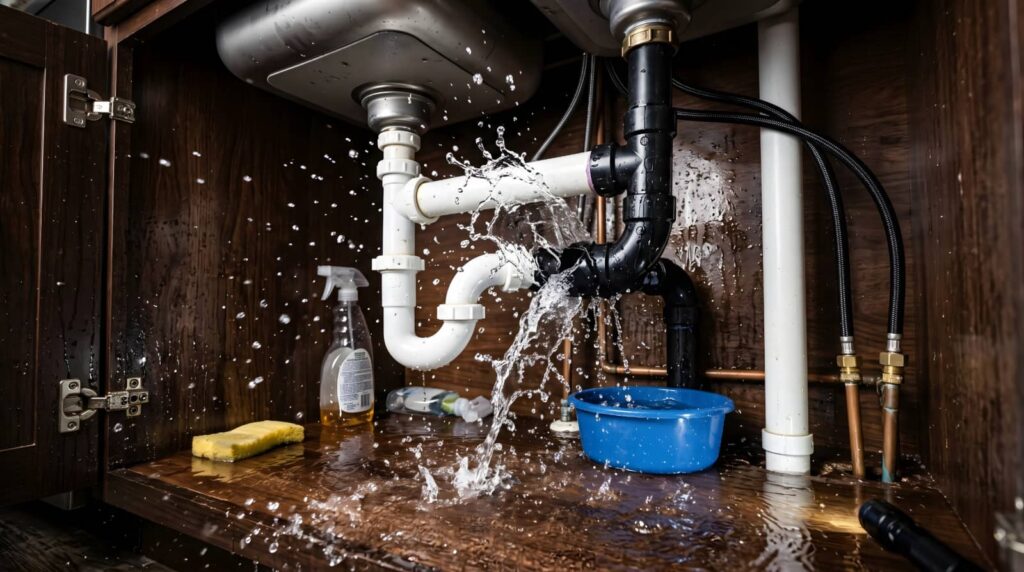
When a basement filled with 18 inches of water in under an hour, the real damage started after the storm passed. Water Damage Repair means acting fast: shut off power, gas, and water, then confirm the structure’s safety before you enter. From there, you can stop the spread, dry hidden moisture, and decide what’s salvageable. The next steps matter more than you think, because one missed detail can turn a repair into a rebuild.
Key Takeaways
- Shut off electricity, gas, and water before entering, and wait for officials to confirm the house is structurally safe.
- Document damage with photos, contact utilities, and evacuate immediately if you smell gas or see major structural damage.
- Stop further water damage by shutting off the main supply, covering openings, and protecting valuables from standing water.
- Remove standing water quickly, then use dehumidifiers and air movers to dry affected areas and prevent mold growth.
- Repair ceilings and salvage materials safely by wearing protective gear, removing damaged drywall, and replacing unsalvageable items.
First Steps After a Flooded House
Before you enter a flooded house, shut off the electricity, gas, and water if you can do so safely, then wait for emergency officials to confirm the structure is stable.
Next, document conditions with photos and notes before you move anything. Call emergency contacts, including your utility provider, local emergency management office, and a trusted contractor, so you can coordinate help quickly.
If you smell gas, hear hissing, or see structural damage, leave immediately and report it. Keep everyone out except trained responders.
Then notify your insurer to start insurance claims and ask what records they need. Wear protective boots, gloves, and a mask if you must re-enter briefly.
Stay calm, stay organized, and work with your neighbors and family as a team so you all move forward safely.
Stop Further Water Damage
Once you’ve documented the damage and confirmed it’s safe to go back in, focus on stopping more water from getting in. Shut off the main water supply if a burst pipe, appliance leak, or broken line is still feeding the flood.
Move valuables, tools, and family essentials to a dry room so your cleanup team stays organized and ready. Use tarps, plastic sheeting, or plywood to cover broken windows, roof openings, and exterior gaps, and secure them tightly.
If runoff is entering through doors or vents, block those paths with sandbags or weighted barriers. Start water extraction only after you’ve controlled the source, then perform a quick moisture assessment to find hidden seepage.
Acting fast helps your household stay protected and keeps the repair effort on track.
Dry Water-Damaged Walls, Floors, and Insulation
After you stop the source of water, remove standing water and start drying the structure immediately to prevent mold and structural damage.
Use moisture assessment to map wet areas in drywall, subflooring, and insulation before you choose drying techniques. Open windows only if outside air is dry; otherwise, run dehumidifiers and air movers to push conditioned air across surfaces.
Remove baseboards and drill small vent holes so hidden cavities can dry. If insulation feels saturated, pull it out because it won’t recover its R-value and can trap contamination.
Lift carpet and padding from floors to expose the subfloor. Check moisture daily until readings match unaffected materials.
You’re part of a crew that can restore the space safely when you dry each layer completely and methodically, without rushing the process.
Repair Ceiling Water Damage Safely
Even when the ceiling looks stable, you need to treat water-damaged overhead materials as a safety hazard until you inspect them closely.
Before any ceiling repair, cut power to affected circuits and wear eye protection, gloves, and a respirator.
Probe sagging drywall or plaster with a drywall knife; if it feels soft, bulges, or cracks, remove it in controlled sections while staying clear of the drop zone.
Use a stable ladder and have a partner watch for shifts. Keep buckets and plastic sheeting ready, but don’t stand directly under the damaged area.
These safety precautions help you protect your crew and your home.
Once you’ve confirmed the framing is dry and sound, you can measure the opening and prepare for the next repair step.
Restore Salvageable Materials and Finishes
Start with any materials you can save, and remove contaminated debris before mold has a chance to spread. You’ll need careful material assessment to decide what can be cleaned, dried, and reused.
Solid wood trim, metal fixtures, and some tile often survive if you dry them quickly and sanitize exposed surfaces. For finish restoration, strip loose paint, treat stains, and refinish only after moisture readings return to safe levels.
Save drywall only if it stayed dry at the core; otherwise, replace it. Clean salvageable cabinets, then dry the cavities with airflow and dehumidification.
Work methodically, label parts, and keep your crew organized so nothing gets overlooked. When you restore what’s sound, you protect your home’s structure and help your recovery team move forward together.
Frequently Asked Questions
How Do I Document Flood Damage for Insurance Claims?
Take clear photos and videos, list damaged items, note dates, save receipts, and request adjuster reports. Your insurance documentation should include a detailed damage assessment, measurements, and repair estimates so you’ll support your claim confidently.
When Should I Call a Professional Water Damage Restoration Company?
Call a pro when water’s rising like a storm tide, or damage’s beyond surface cleanup. You’ll need water extraction, structural assessment, and fast drying to protect your home and restore confidence quickly.
How Do I Test for Mold After a House Flood?
You’ll test for mold by collecting surface or air samples with a certified mold testing kit, then comparing results to indoor controls. Check air quality, inspect damp materials, and hire professionals if readings stay elevated.
What Permits Are Needed for Major Flood Repairs?
You’ll usually need construction permits for structural, electrical, plumbing, and HVAC work, plus flood repair regulations approval from your local building department. You should check zoning, elevation, and inspection requirements before you start repairs.
How Can I Prevent Future Flooding Around My Home?
You can prevent future flooding by improving drainage solutions and using landscaping tips to direct water away. Most flood damage starts at home, so you’ll protect your place and feel secure.
Final Thoughts
When your house floods, you’ve got to act fast: shut off utilities, wait for clearance, remove standing water, and dry everything thoroughly. Every hour counts, because mold can begin growing within 24 to 48 hours after water exposure. If you follow the right steps, you can stabilize the structure, protect your health, and salvage more materials. Stay methodical, work safely, and don’t skip the final moisture check before you start repairs.