
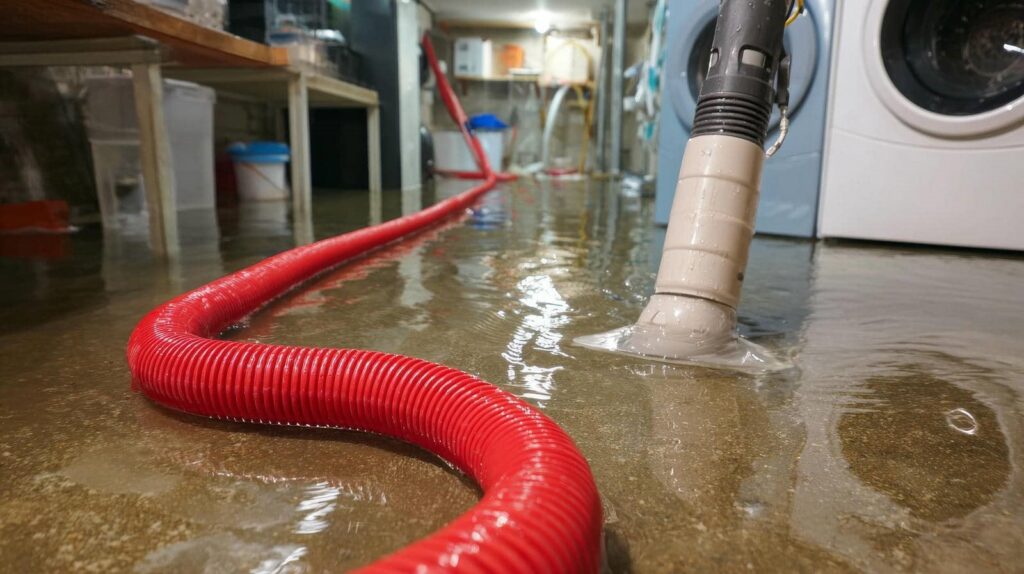
A damp wall can hide damage long after the puddles are gone. You need structural drying after water damage because trapped moisture can warp wood, weaken drywall, and create the conditions mold needs to spread. Fast drying helps preserve materials, improve indoor air quality, and cut repair costs before minor wetness turns into structural trouble. But the real risk often starts where you can’t see it yet.
Key Takeaways
- Structural drying removes hidden moisture from walls, floors, and framing after water damage.
- It helps prevent mold growth by quickly lowering dampness and indoor humidity.
- Fast drying reduces warping, swelling, rot, and other structural material damage.
- Prompt drying limits water migration, which keeps repairs smaller and less costly.
- Monitoring moisture during drying ensures materials reach safe levels and stay stable.
How Structural Drying Works After Water Damage?
After water damage, structural drying removes hidden moisture from building materials so you can stop further deterioration and reduce the risk of mold growth.
You start with water extraction, which pulls standing water from floors, carpets, and cavities. Next, technicians assess moisture levels with meters and map the affected areas, so you know where drying must focus.
Then they use targeted drying techniques, including air movement, dehumidification, and controlled heat, to lower humidity and speed evaporation. You’ll often see equipment placed to create airflow through walls, subfloors, and framing.
Throughout the process, technicians monitor readings and adjust settings until materials reach acceptable moisture targets.
When you understand each step, you can work confidently with your restoration team and feel like you’re handling the damage together.
Why Structural Drying Protects Building Materials
When you dry structural materials quickly, you limit moisture absorption that causes warping, swelling, and dimensional change.
You also lower the moisture level that mold needs to colonize wood, drywall, and other porous surfaces. This helps you preserve material integrity and reduce the chance of secondary damage.
Material Warping Prevention
Structural drying helps prevent warping by removing moisture before building materials absorb enough water to swell, bend, or lose dimensional stability.
You protect framing, subflooring, drywall, and trim by lowering moisture retention quickly and evenly. When you act fast, you keep material integrity intact, so boards stay straighter, joints stay aligned, and finishes fit the way they should.
You also reduce stress from uneven drying, which can make one side of a panel shrink faster than the other and cause cupping or twisting.
With controlled airflow and dehumidification, you help your structure return to its normal shape instead of locking in distortion.
That means your home stays more stable, and you can feel confident that the space you belong in is being restored correctly.
Mold Growth Reduction
By drying wet materials quickly, you cut off the moisture mold needs to start colonizing drywall, wood, insulation, and other porous surfaces.
You also slow spore activation and reduce the chance that hidden cavities become contamination zones. When you keep indoor humidity control within safe limits, you protect framing, subflooring, and finishes before damage spreads.
That means you’re less likely to need invasive mold remediation or costly demolition later. You should remove standing water, increase airflow, and use dehumidifiers right away so surfaces return to dry conditions fast.
This approach helps your home stay healthier, supports cleaner air, and keeps the structure in the condition you want for your family.
How Structural Drying Prevents Mold Growth
You reduce mold risk by drying structural materials quickly, because faster moisture removal leaves less time for colonies to form.
You also need to control hidden dampness in cavities, under flooring, and inside wall assemblies, since trapped water can keep surfaces in a growth-supporting range.
Moisture Removal Speed
Moisture is the fuel mold needs to take hold, so fast structural drying matters after water damage. You protect your property best when you move quickly through moisture assessment and deploy the right drying equipment.
Each hour counts because damp materials can support mold spores before surfaces feel dry. By reducing moisture fast, you lower the chance that colonies establish in framing, drywall, subfloors, and insulation. You also help preserve indoor air quality and limit costly repairs.
Skilled drying teams measure progress, adjust airflow, and manage dehumidification to keep evaporation steady. When you act early, you create less time for mold to spread and more confidence that your space is returning to normal safely.
Hidden Dampness Control
Even after visible surfaces seem dry, hidden dampness can linger inside wall cavities, under flooring, and in insulation, where mold can start quickly.
You need structural drying that targets these concealed zones, not just the room you can see. With dampness detection tools, you can find trapped moisture before it spreads.
- Use moisture mapping to locate wet pockets in framing, subfloors, and trim.
- Remove humid air and accelerate evaporation from hard-to-reach materials.
- Recheck readings until the structure returns to safe, stable levels.
When you dry the full structure, you protect your space, your schedule, and your peace of mind.
You’re not alone in this process; a thorough drying plan helps your home recover cleanly and gives you confidence that hidden wet areas won’t undermine repairs later.
Mold Spore Prevention
Once hidden dampness is under control, mold spore prevention becomes the next priority, because structural drying cuts off the moisture mold needs to germinate and spread.
You lower the risk fast when you dry framing, subfloors, insulation, and wall cavities to safe moisture levels. That’s where your mold prevention strategies really work: remove wet materials, increase airflow, and run dehumidifiers until conditions stabilize.
You’ll also want humidity control techniques that keep indoor relative humidity below 60%, ideally near 30% to 50%. When surfaces stay dry, spores can’t colonize and your space stays healthier for everyone in it.
What Happens If Drying Is Delayed?
If you delay drying after water damage, you give water time to migrate into framing, insulation, subfloors, and wall cavities, which increases the scope of repairs.
You’ll also see faster material breakdown, hidden moisture pockets, and higher costs. Delays let surfaces stay damp long enough for odors, staining, and microbial growth to take hold, even when rooms look dry.
Effective drying techniques work best early, before absorption spreads.
- Moisture keeps traveling into assemblies.
- Structural materials lose strength and stability.
- Cleanup becomes more invasive and expensive.
When you act quickly, you protect your home’s structure and keep your recovery plan manageable.
You’re not just fixing damage—you’re preserving the space you belong in and reducing the chance of repeat problems.
How Professionals Dry Walls, Floors, and Framing
Professionals dry walls, floors, and framing by first finding where moisture has moved, then removing it from the building materials before decay or mold can start.
You’ll see them begin with a moisture assessment, using meters and thermal imaging to map wet zones behind finishes and inside cavities. Next, they open affected areas only as needed, then set up drying equipment such as air movers, dehumidifiers, and directed heat to speed evaporation.
They balance airflow and humidity so your structure dries evenly without stressing materials. In wood framing, they target trapped moisture in studs and plates; in floors, they dry subfloors and underlayment.
This systematic process helps you protect the building’s strength, support your recovery, and get your space back to normal faster.
Signs Your Home Still Needs Structural Drying
You may think the visible water is gone, but hidden moisture can still keep your home from drying fully. Watch for a musty odor, warped flooring, or paint that’s bubbling; these are common moisture indicators.
Check your symptoms checklist daily so you can catch problems before mold spreads.
- Soft or spongy drywall near baseboards
- Cold, damp subfloors underfoot
- Condensation on windows or walls
If you notice any of these, your structure may still hold water in framing, insulation, or cavities. Use a moisture meter if you have one, and compare readings in affected areas with dry rooms.
When values stay elevated, you need more structural drying. Acting quickly helps you protect your home, your comfort, and the people who belong there.
Frequently Asked Questions
How Long Does Structural Drying Usually Take?
Usually, you’ll need 3–5 days, but you should expect longer if materials stay saturated. You’ll use moisture monitoring and targeted drying techniques to confirm progress, protect your structure, and feel confident throughout restoration.
Can Structural Drying Reduce Repair Costs?
Yes, you can reduce repair costs because you catch damage early. Your moisture assessment guides targeted repair techniques, so you avoid unnecessary demolition, limit mold growth, and restore materials faster, keeping your home safer and your team supported.
Does Insurance Cover Professional Structural Drying?
Usually, yes—like a puzzle piece fitting your claim, your insurance policies may cover professional structural drying after water damage, but coverage limits, deductibles, and exclusions vary, so you’ll need to confirm details with your insurer.
What Equipment Is Used During Structural Drying?
You use air movers, dehumidifiers, and moisture meters during structural drying. Technicians also rely on moisture measurement to track progress and choose drying techniques that restore your space efficiently, helping you feel included.
Can Homeowners Stay in the Property During Drying?
You can sometimes stay, but you’ll need to protect home safety and reduce health risks. You should follow the drying crew’s guidance, avoid affected rooms, and keep ventilation, power, and moisture controls monitored closely.
Final Thoughts
If you delay structural drying, you’re basically rolling out the red carpet for mold, warped floors, swollen walls, and bigger repair bills. Proper drying pulls hidden moisture out of your walls, floors, and framing before it turns your home into a costly disaster zone. You protect your structure, improve indoor air quality, and stop small water damage from becoming a full-blown mess. Act fast, dry thoroughly, and you’ll save time, money, and headaches.