
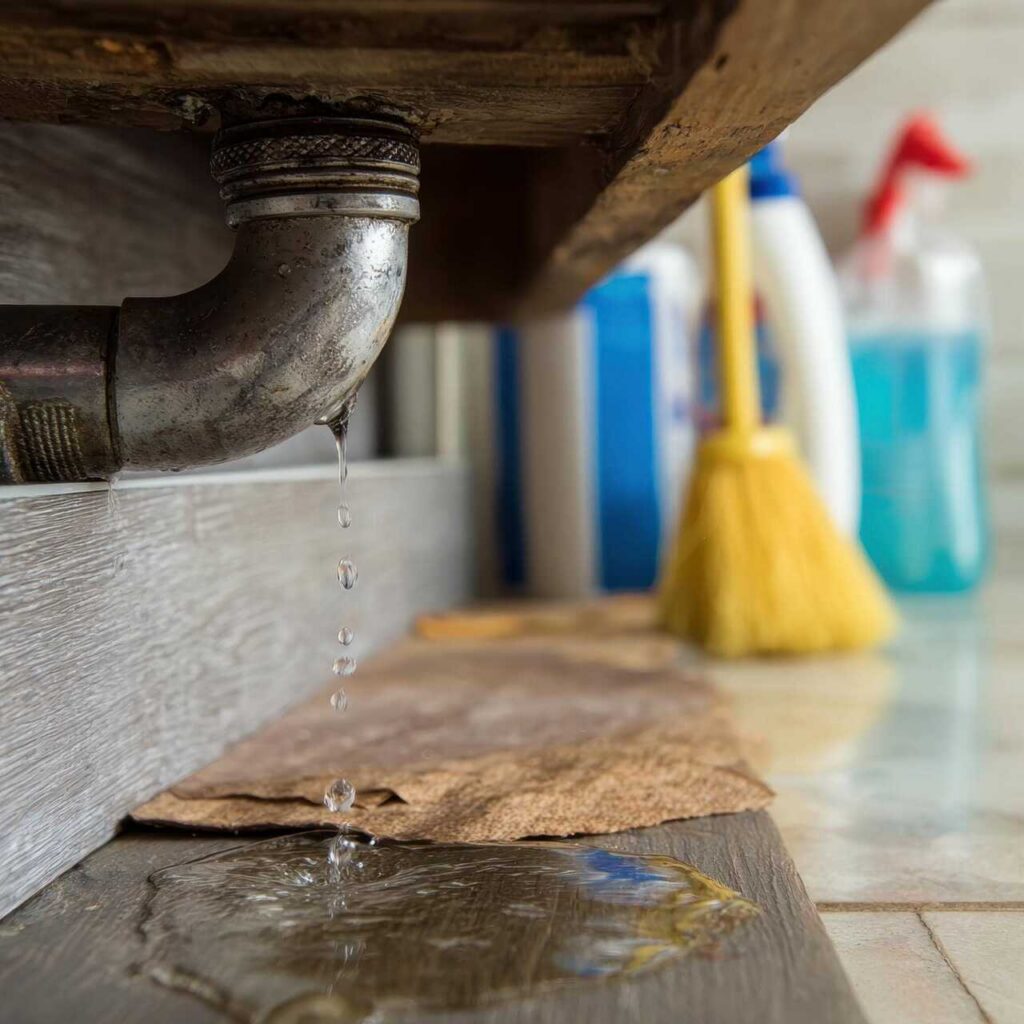
A burst pipe can release hundreds of gallons of water in just a few hours. The immediate response you take can greatly affect the extent of the damage and potential health risks. Understanding the right steps to take is essential. From shutting off the water supply to effective burst pipe cleanup techniques, knowing what to do can save you time and money. Let’s explore how to manage this emergency effectively.
Key Takeaways
- Immediately shut off the water supply to prevent further flooding and damage.
- Assess the area for hazards and prioritize safety before beginning cleanup.
- Remove standing water promptly using buckets, pumps, or wet/dry vacuums.
- Ventilate the space effectively to promote drying and minimize mold growth.
- Document all damage for insurance claims and consult professionals for extensive repairs.
What You Need to Know About Burst Pipes’ Risks
When a pipe bursts, it can release not just water but a cascade of risks that can threaten your property and health. Understanding pipe failure is essential for maintaining water safety in your home.
Water damage can lead to mold growth, structural issues, and costly repairs if not addressed quickly. You might also face health hazards from contaminated water, particularly if the burst pipe is connected to sewage lines.
Actively monitoring your plumbing system can help you identify potential weaknesses before they escalate. Regular inspections and maintenance can safeguard your home and loved ones.
Quick Steps for Water Extraction
Swiftly tackling water extraction is essential to minimize damage after a burst pipe. Start by shutting off the water supply to prevent further flooding.
Next, assess the area for any hazards, and prioritize safety precautions—wear gloves and boots to protect yourself from contaminants.
Then, begin removing standing water using buckets or pumps as part of your emergency procedures. If possible, ventilate the space to promote drying and reduce mold risk.
Check for hidden pockets of water behind walls or under furniture, as these can lead to further issues.
Finally, document the damage for insurance claims. Acting quickly and following these steps helps ensure a sense of community and support during this challenging time.
Choose the Right Cleanup Equipment
After managing water extraction, selecting the right cleanup equipment is essential for effective restoration. You’ll want to examine various cleanup tools that fit your specific situation.
For instance, wet/dry vacuums are great for small to medium spills, while larger pumps are ideal for extensive flooding. Don’t forget about dehumidifiers; they’re vital for preventing mold growth.
When evaluating equipment types, think about the materials involved. If you’re dealing with hazardous substances, specialized tools will be necessary.
Always prioritize safety and efficiency, ensuring you have the right gear for the job. By choosing appropriate cleanup equipment, you’ll streamline the process and foster a sense of community, knowing you’re prepared to tackle any emergency that arises.
Effective Restoration Techniques for Water Damage
-
Assess the Damage: Quickly evaluate the affected areas to determine the extent of water intrusion and identify potential hazards.
-
Implement Moisture Control: Use dehumidifiers and fans to reduce humidity levels, preventing further damage and mold growth.
-
Focus on Mold Prevention: Act swiftly to clean and disinfect surfaces, ensuring areas are dry within 24-48 hours to minimize mold risk.
When to Call Water Damage Experts
Identifying when to call water damage experts can make a significant difference in the recovery process. If you’ve experienced a burst pipe or severe leak, don’t wait. An immediate emergency response is essential to minimize damage.
Look for signs like persistent dampness, mold growth, or structural issues; these indicate the problem’s severity and urgency.
If you’re unsure, consult professionals who can assess the situation and recommend prevention strategies. They can help you navigate the complexities of water damage, ensuring your home is safe and sound.
Frequently Asked Questions
How Can I Prevent Future Burst Pipe Incidents?
To prevent future burst pipes, ensure proper pipe insulation, regulate temperature, maintain regular maintenance schedules, and monitor water pressure. These proactive steps create a safe environment, fostering a sense of belonging and security in your home.
What Insurance Coverage Is Available for Water Damage?
You can explore flood insurance and standard homeowner policies, which often cover water damage. Review your coverage details to ensure you’re protected against potential incidents, and consider adding endorsements for extensive security.
Should I Turn off My Electricity During Cleanup?
Turning off your electricity during cleanup is like extinguishing a fire before it spreads. It’s essential for emergency safety, minimizing electricity risks. You’re not just protecting yourself; you’re ensuring peace of mind for everyone involved.
How Long Does the Cleanup Process Typically Take?
Cleanup duration varies, but it usually takes a few hours to several days, depending on damage severity. Following emergency protocols ensures efficiency, so stay proactive and ready to assist professionals during the process.
Are There DIY Methods for Minor Water Damage?
You can handle minor water damage yourself, as many homeowners manage small issues. Focus on water extraction and mold prevention by drying affected areas promptly and using fans or dehumidifiers effectively.
Wrap-Up
Don’t underestimate the risks of a burst pipe—acting quickly can save your home and peace of mind. You might think you can handle the cleanup alone, but even minor water damage can lead to mold and structural issues down the line. By taking swift action and using the right techniques, you’ll protect your space and your health. Remember, when in doubt, consulting experts can make all the difference in a successful recovery. Take charge and act now!