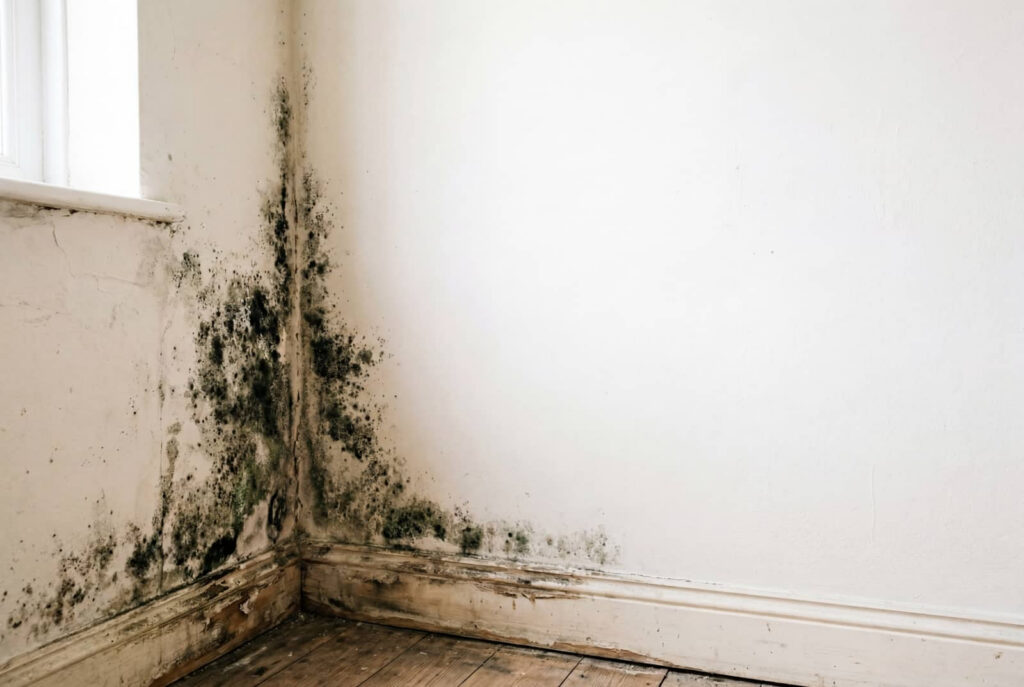
You probably don’t know that mold can start growing within 24 to 48 hours after water damage. To stop mold after water damage, you need to cut off the moisture source first, then dry the ceiling completely with fans and dehumidifiers. Remove any wet materials that hold water, and treat exposed surfaces with an antimicrobial designed for porous areas. Keep humidity low, and you’ll be much closer to preventing the problem from coming back.
Key Takeaways
- Stop the moisture source immediately by fixing leaks, drips, or condensation.
- Dry the affected area quickly with fans, dehumidifiers, and good airflow.
- Remove wet drywall, insulation, or ceiling materials that can trap mold.
- Clean exposed surfaces with an antimicrobial product after damaged materials are removed.
- Keep indoor humidity low and inspect regularly to prevent mold after water damage from returning.
Stop Mold After Water Damage Fast
To stop ceiling mold after water damage fast, you need to remove the moisture source immediately and dry the area thoroughly.
You should check for roof leaks, plumbing drips, or condensation, then fix them before mold spreads.
Improve ceiling ventilation by opening vents, running exhaust fans, and clearing blocked air paths so damp air doesn’t linger.
If you see discoloration, warping, or a musty smell, schedule a mold inspection right away; a trained pro can confirm whether growth has started and how far it’s spread.
Keep the room at steady indoor humidity, and monitor the ceiling for new spots over the next few days.
You’re not dealing with this alone—quick action, clear steps, and the right support can protect your home and help you get back to normal faster.
Dry the Water-Damaged Ceiling Thoroughly
Once you’ve stopped the leak or condensation source, dry the water-damaged ceiling as quickly and evenly as possible. You’re protecting the space, and you’ve got this. Use moisture control tools and steady air circulation to pull dampness out of the ceiling surface before mold can settle in.
- Run fans across the room, not straight at one spot
- Open windows if outdoor humidity is lower
- Use a dehumidifier to keep indoor air dry
- Check hidden corners and seams for lingering dampness
- Keep the area warm, stable, and monitored
Move air across the whole ceiling, then recheck with your hand or a moisture meter. If the surface still feels cool or damp, keep drying.
Even drying helps your home recover safely and keeps your household on the same page.
Remove Wet Materials That Trap Mold
Pull out any wet materials that can hold moisture and feed mold, such as soaked insulation, ceiling tiles, carpet, drywall, or baseboards. You’ll stop hidden growth by removing anything porous that stayed damp after the leak.
Use gloves, a mask, and sealed bags, and cut away damaged sections a little beyond the visible stain. Keep debris separate so you can dispose of it quickly and safely.
This step supports mold prevention because mold can’t keep spreading in materials you’ve already removed. It also improves moisture control by opening the cavity to airflow and letting the structure dry evenly.
If you share the space with others, work together and check adjoining areas, since mold often follows water paths you can’t see.
Treat the Ceiling With Antimicrobial Products
After you remove the damaged material, treat the exposed ceiling area with an antimicrobial product to slow any remaining mold growth and help keep spores from spreading. You’re not alone in this step; it’s a standard part of preventing mold after water damage.
Choose antimicrobial treatments rated for porous building surfaces, and apply them evenly with proper ventilation.
- Read the label first
- Wear gloves and eye protection
- Cover only clean, exposed areas
- Let the product dwell as directed
- Wipe off residue if required
You’ll get better results when you follow the manufacturer’s contact time and use a sprayer or brush that reaches seams.
These treatments don’t fix structural damage, but they do help you stabilize the area and move forward with confidence.
Prevent Ceiling Mold From Returning
To keep ceiling mold after water damage from coming back, you need to stop the moisture source as well as clean the surface.
Check the roof, plumbing, attic vents, and insulation for leaks, then repair them fast. Keep indoor humidity control in the 30% to 60% range with dehumidifiers, exhaust fans, and regular HVAC service.
After any spill or condensation, dry the area within 24 to 48 hours. Add preventive measures like caulking gaps, improving airflow, and insulating cold surfaces so moisture can’t collect.
Inspect the ceiling monthly for stains, peeling paint, or musty odors, and act early if you spot them.
You’re not alone in this—steady maintenance keeps your home healthier and helps the whole space stay mold-free.
Frequently Asked Questions
How Long Does It Take for Mold After Water Damage to Appear?
You’ll usually see mold in 24–48 hours after water damage, depending on mold growth timeline and water damage factors. Act fast, dry materials thoroughly, and you’ll protect your home and your peace of mind.
Can Hidden Mold Grow Inside Ceiling Insulation?
Yes, hidden mold can grow inside your ceiling insulation; you won’t always see it, but you can stop it with mold prevention techniques, dry insulation materials, and prompt inspections. You’re not alone in protecting your home.
Does Insurance Cover Mold Remediation Costs?
Yes, your mold insurance may cover remediation coverage if a covered water event caused the damage, but policies often cap payouts. You should review exclusions, document losses, and call your insurer quickly.
Should I Test Indoor Air for Mold Spores?
Yes, you should test if you’re unsure—because guessing mold levels is a thrilling hobby nobody asked for. Use proper mold testing methods to check indoor air quality, then act quickly and confidently.
When Should I Call a Professional Mold Inspector?
You should call a professional mold inspector whenever you smell musty odors, see visible growth, or had water damage that dried slowly. A mold inspection confirms risks, guides prevention strategies, and reassures you you’re not facing it alone.
Conclusion
To stop mold after water damage, you need to act fast: fix the moisture source, dry the ceiling completely, and remove any wet materials that can trap spores. Use fans and dehumidifiers, then treat exposed areas with an antimicrobial product. Keep humidity between 30% and 60% to prevent regrowth. One useful statistic: mold can begin growing within 24 to 48 hours after water exposure, so your response window really matters.