
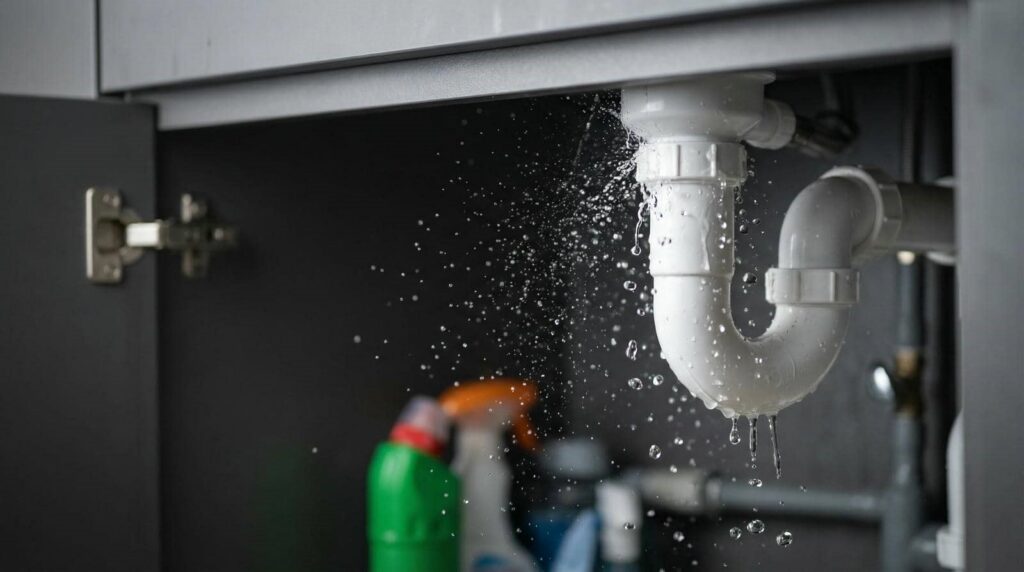
When a pipe bursts, having the right tools on hand is vital for effective cleanup. You’ll need a pipe wrench for repairs and a wet/dry vacuum to eliminate standing water. Absorbent towels help with residual moisture, while pliers secure loose fittings. A moisture meter is essential for evaluating dampness in your surroundings. Understanding how to use these tools can greatly influence your restoration efforts. Let’s explore the best practices that can streamline your cleanup process.
Key Takeaways
- Pipe Wrench: Essential for repairing and tightening damaged pipe sections during cleanup.
- Wet/Dry Vacuum: Quickly removes excess water to minimize damage and facilitate drying.
- Absorbent Towels: Necessary for soaking up lingering moisture in affected areas.
- Moisture Meter: Helps assess dampness in walls and floors to ensure thorough drying.
- Set of Pliers: Useful for securing loose fittings and preventing further leaks during the cleanup process.
Essential Tools for Burst Pipe Cleanup
When a pipe bursts, having the right tools on hand can make all the difference in a swift and effective cleanup.
First, you’ll need a sturdy pipe wrench for pipe repair, allowing you to efficiently tighten or remove damaged sections. A wet/dry vacuum is essential for quickly removing excess water, minimizing the risk of further water damage.
Don’t forget absorbent towels to soak up lingering moisture. You should also have a set of pliers handy for various tasks, including securing loose fittings.
Finally, a moisture meter can help you assess dampness in walls and floors, ensuring you address all affected areas.
Equip yourself with these tools, and you’ll be prepared to tackle burst pipe situations confidently.
Best Practices for Using Burst Pipe Cleanup Tools
When tackling burst pipe cleanup, knowing the essential equipment is vital for efficiency.
You’ll also need to prioritize safety precautions to protect yourself and others in the area.
Finally, mastering effective drying techniques will ensure thorough remediation and prevent future issues.
Essential Cleanup Equipment
To effectively tackle the aftermath of a burst pipe, you need the right tools at your disposal. Having the essential cleanup equipment ensures you restore your space efficiently.
Here are three key items to include in your toolkit:
Wet/Dry Vacuum: This is vital for removing standing water quickly to prevent further damage.
Dehumidifier: Use this to eliminate excess moisture from the air and surfaces, helping to prevent mold growth.
Mold Removal Products: Invest in effective restoration products specifically designed to tackle mold and mildew that can arise from water exposure.
Safety Precautions to Follow
Assuring your safety while cleaning up after a burst pipe is essential, as improper handling of tools can lead to accidents or health risks.
Start with a thorough hazard assessment to identify potential dangers like slippery surfaces or exposed electrical wiring. Always wear appropriate personal protective equipment (PPE) such as gloves, goggles, and sturdy footwear to minimize injury.
Familiarize yourself with emergency protocols—know how to shut off water and electricity quickly if needed. Keep your workspace organized to avoid tripping hazards, and never operate power tools without proper training.
Finally, communicate with your team; let everyone know their roles and assure that emergency contacts are easily accessible. By following these precautions, you create a safer environment for yourself and your colleagues.
Effective Drying Techniques
After implementing safety precautions, effective drying techniques become essential for mitigating damage from a burst pipe.
Utilizing the right tools is vital for thorough moisture detection and effective dehumidification methods. Here are three best practices to keep in mind:
Use High-Quality Dehumidifiers: These devices help extract moisture from the air, speeding up the drying process considerably.
Employ Air Movers: Positioning fans strategically can enhance air circulation, helping to dry out surfaces and hidden areas more efficiently.
Regularly Monitor Humidity Levels: Use moisture detection tools to check humidity levels frequently, ensuring that the area stays dry and preventing mold growth.
Step-By-Step Guide to Selecting Water Extraction Equipment
Selecting the right water extraction equipment is essential for effective cleanup after a burst pipe. Start by evaluating the extent of water damage; this helps determine the equipment’s capacity needed.
Look for high-efficiency pumps that can handle large volumes quickly. Portable extractors are great for smaller spaces, while truck-mounted systems suit extensive areas.
Ensure the equipment has features like adjustable suction settings to adapt to different surfaces.
Don’t overlook equipment maintenance; regularly check hoses and filters to maintain peak performance. Investing in durable, reliable tools will speed up the extraction process and contribute to long-term effectiveness in preventing mold growth.
What to Look for in Drying Equipment
When evaluating drying equipment for post-pipe burst cleanup, focus on key features that enhance efficiency and effectiveness.
Selecting the right tools can make all the difference in your cleanup efforts. Here are three vital items to take into account:
Moisture Meters: These devices help you accurately assess moisture levels in materials, ensuring you dry everything thoroughly.
Air Movers: High-velocity air movers are essential for circulating air and speeding up the drying process. Look for models with adjustable speeds for versatility.
Dehumidifiers: Effective dehumidifiers can greatly reduce humidity levels, preventing mold growth and further damage.
Choosing the right drying equipment ensures a thorough cleanup and fosters a sense of community in restoring spaces effectively.
Wear Protective Gear for Safe Cleanup
To ensure your safety during cleanup after a burst pipe, wearing the right protective gear is essential.
Start with proper gloves selection; choose chemical-resistant gloves to protect against contaminants and moisture. Nitrile gloves are a solid option, offering durability and resistance.
Next, consider mask types. A well-fitted mask, like an N95 or higher, can help filter out harmful particles and prevent respiratory issues.
Additionally, safety goggles shield your eyes from debris and potential chemicals in the water. You might also want to wear waterproof boots to keep your feet dry and protected.
Top Cleaning Solutions for Effective Water Damage Restoration
As you tackle water damage restoration, choosing the right cleaning solutions is essential for effectively mitigating long-term effects.
Here are three top cleaning solutions to take into account:
Enzymatic Cleaners: These break down organic materials, aiding in mold prevention while being safe for various surfaces.
Disinfectants: Use EPA-approved disinfectants to eliminate bacteria and fungi, critical for ensuring your space is safe post-cleanup.
Dehumidifiers: While not a cleaner, they’re important for moisture control, reducing the risk of mold growth and supporting your insurance claims process.
Investing in these solutions can help you restore your property and create a safer environment for everyone involved.
How to Use Water Extraction Equipment for Best Results
To achieve effective water extraction, you need to select the right equipment tailored for your specific situation.
Employ proper extraction techniques to maximize efficiency and minimize residual moisture.
Don’t overlook safety precautions, as they’re essential for protecting yourself and your property during the cleanup process.
Selecting Right Equipment
When dealing with a burst pipe, selecting the right water extraction equipment is vital for effective cleanup and restoration. Here’s how to make the best choices:
Pipe Inspection Tools: Before extraction, use these tools to locate and assess the damage accurately. Knowing the extent of the issue helps in planning your extraction strategy.
Moisture Detection Equipment: After extraction, employ this equipment to identify hidden moisture. This step is essential to prevent future mold growth and ensure thorough drying.
High-Efficiency Extractors: Invest in powerful water extraction units. Their performance can drastically reduce the time and effort needed for cleanup, allowing you to restore your space efficiently.
Proper Extraction Techniques
Once you’ve selected the right water extraction equipment, understanding proper extraction techniques is key for effective cleanup. Using advanced extraction methods can greatly improve your results. Start by confirming the area is clear of debris, then position your equipment strategically. Avoid common extraction mistakes, like rushing the process or not adjusting settings for various surfaces.
Here’s a quick reference table for best practices:
| Technique | Description | Common Mistake |
|---|---|---|
| Pre-Extraction Inspection | Assess the extent of water damage | Skipping the initial assessment |
| Proper Equipment Setup | Confirm alignment and seal | Loose connections |
| Controlled Extraction | Use steady pressure | Over-extraction |
| Surface-Specific Settings | Adjust for carpet vs. hard floors | Using the same settings universally |
| Post-Extraction Follow-Up | Check for remaining moisture | Neglecting secondary checks |
Safety Precautions Required
While using water extraction equipment, prioritizing safety is essential to achieving ideal results and preventing accidents. When responding to a flood, especially with various pipe materials involved, keep these precautions in mind:
Wear Protective Gear: Always use gloves, goggles, and waterproof boots to shield yourself from contaminants and potential injuries.
Confirm Electrical Safety: Before starting, unplug any electrical devices near the flooded area to avoid electrocution. Use battery-operated equipment when possible.
Maintain a Clear Workspace: Remove obstacles and confirm adequate ventilation. This helps prevent slips and ensures you’re not working in harmful fumes.
Frequently Asked Questions
How Do I Identify the Source of a Burst Pipe?
To identify the source of a burst pipe, conduct a thorough pipe inspection and utilize leak detection methods. Check for damp areas, listen for hissing sounds, and monitor water flow to pinpoint the issue accurately.
What Are the Signs of Mold After a Burst Pipe?
You’ll notice signs of mold growth like musty odors, discolored walls, or visible spots. These indicate potential health risks, so act quickly to prevent further damage and protect your environment from harmful effects.
Can I Handle Cleanup Without Professional Help?
Yes, you can handle cleanup with DIY methods, but prioritize safety precautions. Think of it like steering through a storm; you need the right tools and knowledge to weather the aftermath effectively and safely.
How Long Does It Take to Dry Out Water Damage?
Drying out water damage typically takes 24 to 48 hours with proper water extraction and effective drying techniques. However, factors like humidity and material type can influence the duration, so monitor the process closely.
What Insurance Coverage Is Available for Burst Pipe Damage?
You’ve got several coverage options for burst pipe damage, including homeowners and renters insurance. A thorough damage assessment can help determine your policy’s specifics, ensuring you understand what’s covered and how to proceed effectively.
Summary
In a burst pipe situation, having the right tools can make all the difference. You’ll find that a wet/dry vacuum and moisture meter can be lifesavers, helping you tackle excess water and assess hidden dampness. Coincidentally, using absorbent towels alongside these tools often leads to quicker drying times. Remember, effective cleanup minimizes damage and paves the way for successful restoration. Equip yourself properly, and you’ll be better prepared to handle any water-related mishaps.