
Key Takeaways
- Quick cleanup stops smoke, soot, and water from spreading and causing more damage.
- Fast drying helps prevent mold growth, rot, and structural weakening.
- Removing residue and odors improves indoor air quality and reduces health risks.
- Timely restoration protects walls, ceilings, floors, and contents from costly repairs.
- Professional cleanup helps find hidden damage and returns the home to safe use.
What Smoke and Water Damage Do First
Smoke and water damage spread fast, so the first steps are to stop the source, protect the structure, and limit further loss.
You’ll notice smoke particles cling to surfaces, settle into fabrics, and stain finishes with acidic residue. That residue can corrode metal, dull paint, and leave odors that spread through shared spaces.
At the same time, water saturation weakens drywall, swells wood, and reduces insulation performance. You need to assess visible damage, isolate affected areas, and keep clean areas from cross-contamination.
Your team should document conditions, verify moisture levels, and identify materials that can still be stabilized.
When you act early, you protect your property and help everyone in the space feel safer, supported, and ready for recovery together.
Why Flood Cleanup Can’t Wait
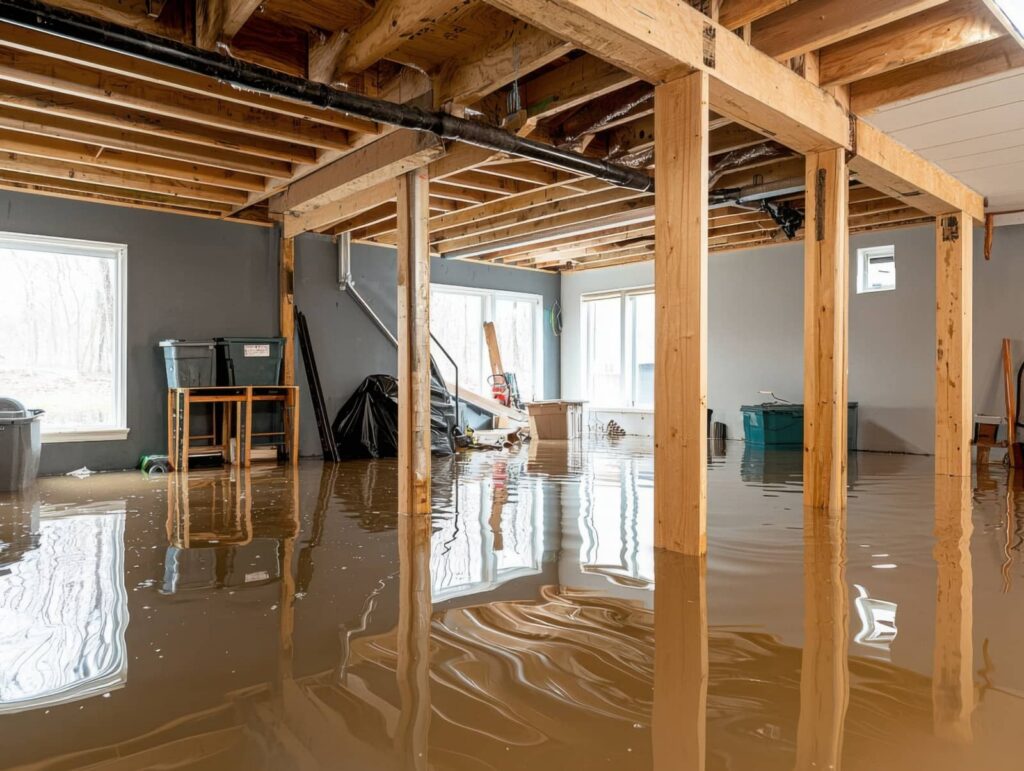
When you delay flood cleanup, moisture can quickly create ideal conditions for mold growth, which can affect indoor air quality and materials.
Water also keeps weakening wood, drywall, and other building components, so structural damage can escalate fast.
Acting promptly helps you limit both health risks and repair costs.
Mold Growth Risks
Even a small delay after flooding can let mold begin growing within 24 to 48 hours, especially on porous materials like drywall, carpet, and insulation.
You can lower that risk by acting fast, removing standing water, and drying affected areas thoroughly.
Professional mold prevention strategies focus on humidity control, air movement, and cleaning surfaces before spores spread.
That matters because mold growth can trigger health implications such as allergies, irritation, and breathing problems, especially if you already have sensitivities.
When you respond quickly, you protect your space and help everyone in it feel safer.
You’re not overreacting; you’re taking the right technical steps to keep your environment clean, healthy, and ready for recovery.
Structural Damage Escalation
Water intrusion doesn’t just leave surfaces wet; it can quickly weaken building materials and turn a manageable cleanup into structural damage. You need fast action to protect structural integrity and keep repair costs from climbing.
When moisture stays in walls, floors, or framing, it swells wood, corrodes fasteners, and softens drywall. That’s why your response should be immediate:
- Stop the water source.
- Remove standing water.
- Dry hidden cavities.
- Document damage early.
If you act now, you’ll help your property recover with less disruption and fewer surprises.
Our team understands what you’re facing, and you’re not alone in this process. Prompt mitigation keeps minor exposure from becoming major reconstruction, so you can move forward with confidence.
How Smoke Damage Cleanup Removes Odors
You’ll remove smoke odors most effectively by targeting the source materials that keep releasing odor-causing particles, such as soot, charred debris, and contaminated contents.
After source removal, you can use air scrubbing methods to capture fine airborne residue and help restore indoor air quality.
This combined approach helps you reduce lingering odors more completely and efficiently.
Odor Source Removal
Odor removal starts with eliminating the source, not just masking the smell, because smoke particles embed in porous materials and continue to off-gas until they’re fully addressed.
You’ll get better results when you target affected materials directly. Our team uses odor neutralization techniques and effective deodorization methods to restore a clean indoor feel and help you feel at home again.
We assess what can be salvaged, then remove or treat contaminated items so odors can’t linger.
- Clean soot from hard surfaces.
- Seal or discard saturated porous materials.
- Treat fabrics and contents at the source.
- Confirm residual odor is gone.
This process reduces hidden contamination, supports lasting freshness, and gives you confidence that your space is truly recoverable.
Air Scrubbing Methods
As we remove soot and contaminated materials, air scrubbers help clear the fine smoke particles still floating through your space.
You’ll see professionals place these machines in affected rooms to pull contaminated air through multi-stage air filtration, trapping ash, odor compounds, and microscopic residue.
This process supports faster odor reduction because it keeps particles from resettling on cleaned surfaces.
Technicians may pair scrubbers with targeted scrubbing techniques on walls, ceilings, and contents to remove hidden contamination.
You get a cleaner environment, better indoor air quality, and a more complete restoration path.
These methods work together to help your home or business feel safe again, so you can breathe easier and move forward with confidence.
How Water Mitigation Stops Mold and Rot
When water damage lingers, it quickly creates the conditions mold and rot need to spread. You protect your space with timely water mitigation, and you’re not alone in that process. Our team uses targeted extraction and containment to support mold prevention and rot treatment before colonies take hold.
- You remove standing water fast.
- You isolate wet areas to limit spread.
- You reduce moisture that feeds decay.
- You inspect hidden pockets for early growth.
This approach helps you preserve materials, lower health risks, and restore confidence in your home or business.
How Structural Drying Protects Your Home
Structural drying protects your home by removing hidden moisture from building materials before it can weaken framing, warp finishes, or fuel microbial growth.
You get a faster return to normal when trained technicians map moisture, set airflow, and use controlled heat and dehumidification to target wet cavities, subfloors, and framing.
These drying techniques help preserve structural integrity by stopping swelling, delamination, and corrosion before they spread.
You’re not just drying surfaces; you’re protecting the parts of your home that keep everything stable, safe, and comfortable.
With the right equipment and monitoring, you can trust that moisture levels keep dropping as materials recover.
That means fewer surprises, less secondary damage, and a cleaner path back to the home you belong in.
How to Clean Up Ceiling Water Damage
A water-stained ceiling needs quick, careful attention because pooled moisture can weaken drywall, stain finishes, and lead to collapse if the source isn’t stopped first.
You should begin with a moisture assessment and inspect ceiling materials for sagging, soft spots, or bubbling paint.
Then follow these steps:
- Shut off the leak source.
- Protect the area below.
- Remove damaged material only when it’s safe.
- Dry the cavity with fans and dehumidifiers.
You’ll want to monitor readings until moisture returns to normal.
If you see mold, repeated staining, or structural distortion, call a qualified restoration pro.
You’re not handling this alone; with steady action and the right tools, you can restore your ceiling safely and confidently.
Fire Damage Restoration After Smoke
After the flames are out and any water from suppression efforts is addressed, you can start smoke damage restoration by evaluating soot, odor, and heat damage throughout the structure.
You’ll protect finishes by isolating affected areas, then remove loose residue with HEPA vacuuming and dry sponges.
Next, clean hard surfaces with smoke-safe detergents and treat porous materials with deodorizing agents that neutralize lingering compounds.
You should also inspect HVAC pathways so contamination doesn’t spread.
Throughout the process, keep fire safety in mind and document every step for insurance claims.
With a methodical approach, you can restore a healthier environment and help your space feel like yours again.
Signs You Need Professional Restoration Help
If smoke odor persists after cleaning, soot keeps reappearing on surfaces, or water damage has soaked insulation, drywall, or flooring, you likely need professional restoration help. You shouldn’t wait when conditions keep returning or spreading; your space needs a coordinated emergency response.
- Odor lingers after multiple cleanings.
- Soot stains return after wiping.
- Materials feel damp, swollen, or warped.
- You can’t confirm the restoration timeline or hidden damage.
These signs mean moisture and residue may be trapped beyond surface layers. A trained team can assess the scope, document losses, and plan next steps with you.
You’re not alone in this process, and acting early helps your home move toward recovery with less disruption and clearer expectations.
How Restoration Makes Your Home Safe Again
Restoration removes hidden contamination, dries structural materials, and stabilizes affected areas so your home is safe to occupy again.
You get trained technicians who inspect for smoke residue, water intrusion, and microbial growth, then use targeted cleaning and drying methods to stop further damage.
They seal compromised surfaces, improve indoor air quality, and verify that moisture levels meet safe standards.
These steps protect your family from odors, allergens, and structural weakening while restoring comfort and normal routines.
The restoration benefits go beyond repairs: you regain home safety, confidence, and a healthier living space where you belong.
With the right process, you don’t just fix damage—you make your house secure, clean, and ready for everyday life again.
Frequently Asked Questions
How Long Does Smoke Residue Remain Harmful Indoors?
Smoke residue can stay harmful for months or years if you don’t remove it. You should act fast, since smoke toxicity can linger in porous materials, and thorough residue removal protects your indoor air and health.
Can Water Damage Affect Electrical Systems Hidden in Walls?
Yes—water damage can silently reach hidden wiring; like a dripping roof staining a ceiling, moisture damage spreads, and you can face electrical hazards behind walls. In one inspection, 3 circuits shorted after a small leak.
Does Insurance Usually Cover Smoke and Water Restoration?
Usually, yes—your insurance policy often covers smoke and water restoration, depending on the cause and exclusions. You should review your insurance policies and file promptly, because restoration processes move faster when you document damage clearly.
Should Furniture Be Discarded After Heavy Smoke Exposure?
You shouldn’t automatically discard furniture after heavy smoke exposure. If you investigate the theory, you’ll picture odor trapped deep in fibers. Professional furniture restoration can often remove smoke odor, and you can still salvage valued pieces.
How Soon Can Occupants Return After Cleanup Is Finished?
You can return once professionals confirm occupant safety and all cleanup guidelines are met. You’ll usually re-enter after drying, ventilation, and air-quality checks pass, keeping your space healthy, secure, and ready for normal use.
Conclusion
You need smoke and water cleanup fast because damage spreads like a silent tide, weakening materials, trapping odors, and raising health risks. When you act quickly, you limit mold, rot, and structural loss, and you restore cleaner air and safer living conditions. Professional restoration helps you dry, clean, and rebuild with precision, so your home can feel secure again. Don’t wait for hidden damage to grow worse—take action now and protect your space.