
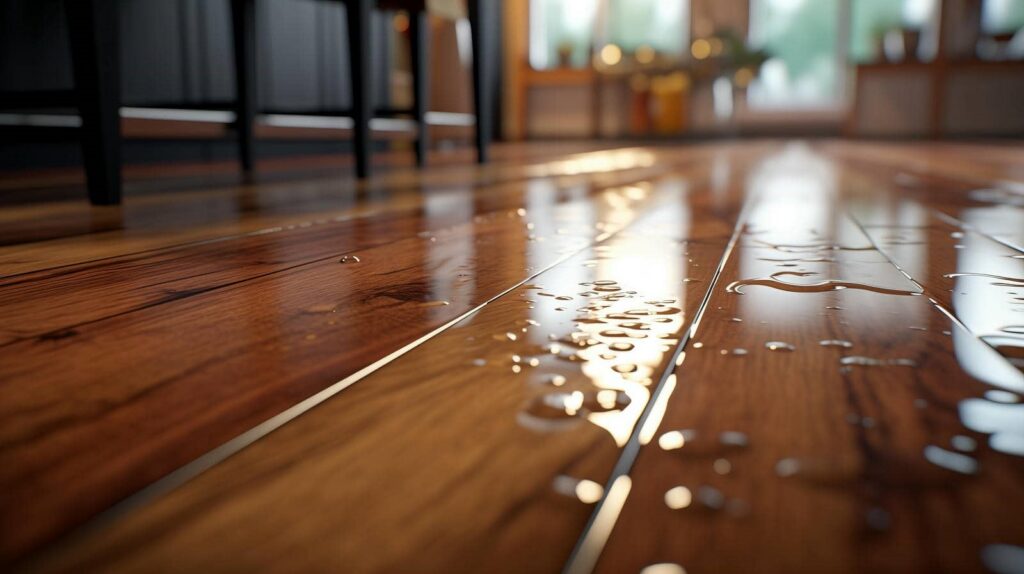
You might believe that any equipment can handle water damage restoration effectively, but the truth often tells a different story. The right tools can make a significant difference in recovery speed and quality. Understanding which equipment stands out in performance can guide your choices. Let’s explore the essential tools that ensure efficient restoration, and discover what you really need to safeguard your home from lingering damage.
Key Takeaways
- High-quality water extraction equipment, like wet vacuums and submersible pumps, ensures quick removal of standing water for effective restoration.
- Efficient dehumidifiers are essential for accelerating drying and preventing mold growth while managing energy costs.
- Air movers, including centrifugal and axial types, enhance airflow to expedite the drying process across various areas.
- Moisture detection tools, such as hygrometers and moisture meters, help identify damage and damp areas needing immediate attention.
- Using air scrubbers and antimicrobial sprays aids in mold prevention and treatment, ensuring a healthier environment post-restoration.
Essential Tools for Water Damage Restoration
When it comes to restoring a space after water damage, having the right tools is vital for efficiency and effectiveness. You’ll need high-quality water extraction equipment to remove standing water quickly. Wet vacuums and submersible pumps are your go-tos for this task.
Next, invest in moisture detection tools like hygrometers and moisture meters to accurately assess the extent of the damage. These devices help you identify hidden moisture pockets, preventing future mold growth.
Additionally, air movers and dehumidifiers play an important role in drying out affected areas effectively. By equipping yourself with these vital tools, you streamline the restoration process and ensure a healthier environment for everyone involved.
How to Choose the Best Water Extraction Equipment?
When selecting water extraction equipment, consider the type of tools that best suit your specific needs.
Pay attention to size and portability, as these factors can greatly affect your efficiency on the job.
Additionally, evaluating power and efficiency ratings will help ensure you choose equipment that meets your performance expectations.
Equipment Type Considerations
Choosing the right water extraction equipment is essential for effective water damage restoration, as it directly impacts the speed and efficiency of the drying process. You’ll want to take into account factors like humidity control and equipment maintenance to ensure peak performance. Here’s a quick reference table to guide your decision:
| Equipment Type | Humidity Control | Maintenance Needs |
|---|---|---|
| Extractors | High | Regular filter cleaning |
| Dehumidifiers | Very High | Routine checks |
| Air Movers | Moderate | Occasional servicing |
| Thermal Imaging | Low | Software updates |
Size and Portability Factors
Understanding the size and portability of water extraction equipment is vital for maximizing efficiency in water damage restoration. When selecting equipment, consider size limitations that may hinder your ability to maneuver in tight spaces.
Compact units often provide flexibility, allowing you to access challenging areas without sacrificing power.
Transport strategies are also important; lightweight equipment with integrated handles or wheels can greatly reduce fatigue during transport.
Evaluate the balance between portability and performance to ensure you’re not compromising on effectiveness.
Opt for equipment that fits your typical job site while being easy to load and unload.
Taking these factors into account helps you choose the best water extraction equipment tailored to your specific needs, enhancing your restoration capabilities.
Power and Efficiency Ratings
Higher ratings often translate to lower operational costs, making them more economical in the long run. Pay attention to performance metrics like gallons per minute (GPM) and lift capacity; these figures help you gauge how quickly and effectively the equipment can handle water removal.
Best Dehumidifiers to Speed Up Drying After Water Damage
When water damage strikes, using the right dehumidifier can greatly accelerate the drying process and minimize further complications. Selecting effective dehumidifier brands is essential for ideal results. Look for models that boast energy efficiency, allowing you to manage costs while achieving rapid moisture removal.
Investing in a high-quality dehumidifier expedites drying and helps prevent mold growth and structural damage. Make your choice wisely to ensure that you protect your home effectively.
Recommended Air Movers for Effective Drying
When tackling water damage, selecting the right air movers is essential for effective drying.
You’ll want to take into account different types of air movers and key features that maximize airflow and efficiency.
Understanding these elements ensures you choose equipment that meets your specific drying needs.
Types Of Air Movers
To effectively combat water damage, selecting the right type of air mover is essential for ideal drying.
There are several air mover types, including centrifugal, axial, and low-profile models, each designed for specific applications.
Centrifugal air movers excel in airflow efficiency, pushing air at high speeds to dry surfaces quickly.
Axial air movers, on the other hand, provide broad airflow and are perfect for ventilating larger areas.
Low-profile air movers are compact and easy to position in tight spaces, ensuring every corner gets the airflow it needs.
Understanding these air mover types helps you make informed decisions, ensuring efficient drying and minimizing damage.
Choose wisely to enhance your restoration efforts and foster a sense of community in your work.
Key Features To Consider
Choosing the right air mover for effective drying involves several key features that can greatly impact your restoration efforts.
First, consider the airflow capacity, typically measured in cubic feet per minute (CFM). Higher CFM ratings mean faster drying times.
Next, look for units with adjustable speeds; this flexibility allows for ideal moisture measurement and tailored drying for various surfaces.
Additionally, make sure the air mover has a durable design for restoration safety, minimizing the risk of equipment failure during critical operations.
Stackable models can save space, while lightweight options enhance portability.
Finally, energy efficiency is essential, as it reduces operational costs without sacrificing performance.
Selecting an air mover with these features will streamline your restoration process effectively.
Essential Tools for Mold Prevention and Effective Treatment
While water damage can create an ideal environment for mold growth, having the right tools at your disposal considerably reduces that risk and aids in effective treatment.
First, invest in a high-quality dehumidifier; it helps maintain optimal humidity levels, vital for mold prevention.
Next, use moisture meters to identify damp areas that need immediate attention.
Equip yourself with powerful air scrubbers to filter airborne spores during treatment.
Additionally, consider protective gear like respirators and gloves to ensure safety while handling mold-infested materials.
For effective treatment methods, include antimicrobial sprays and encapsulants to eliminate existing mold and prevent future growth.
Cost of Professional Water Damage Equipment
Investing in professional water damage equipment can greatly impact restoration efforts, but understanding the costs involved is essential for effective budgeting.
Depending on your needs, costs can vary considerably. While water damage insurance may cover some expenses, you should consider rental equipment as a cost-effective alternative.
- Dehumidifiers: $100 – $300 per unit
- Air Movers: $50 – $200 each
- Moisture Meters: $40 – $150
- Water Extraction Pumps: $200 – $1,000
- Protective Gear: $30 – $100
Budgeting for these tools helps ensure you’re prepared for any water damage situation.
Frequently Asked Questions
How Long Does Water Damage Restoration Typically Take?
Water damage restoration typically takes 3 to 7 days, depending on various restoration factors like the extent of damage and drying conditions. Understanding the water damage timeline helps you plan and manage expectations effectively.
Can I Use Household Fans for Water Damage Drying?
Sure, you can use household fans for drying, but their effectiveness pales in comparison to commercial equipment. While fans help, they often prolong drying time, making professional solutions more efficient for serious water damage situations.
What Safety Precautions Should I Take During Restoration?
During restoration, always wear personal protective equipment like gloves and masks. Confirm equipment maintenance is up to date to avoid hazards. Stay alert for electrical risks and proper ventilation to protect yourself and others.
Is Professional Restoration Always Necessary After Water Damage?
Water damage acts like a hidden tide, revealing your home’s vulnerabilities. While DIY restoration can be tempting, a professional assessment often uncovers deeper issues, ensuring safety and long-term stability. Don’t underestimate the power of expertise.
How Can I Prevent Future Water Damage in My Home?
To prevent future water damage in your home, ensure proper drainage systems are in place and install moisture barriers. Regularly inspect these areas to catch potential issues early and protect your home effectively.
Review
Selecting superior water damage restoration equipment sets the stage for swift, successful recovery. By prioritizing powerful pumps, dependable dehumidifiers, and dynamic air movers, you can effectively combat complications and conquer moisture. Pairing these tools with mold management measures fosters a safer, healthier space. Ultimately, investing in the right resources accelerates the drying process and safeguards your home against future damage, ensuring a seamless return to normalcy.